BSA were so successful selling cycle components that they did not need to build and sell complete bicycles. Their components were made to the same consistently high standard as the rifles they supplied to the War Office, and they sold their fittings through the cycle trade so cycle builders all over the world could build their own cycles using BSA parts.
But in 1909 the company announced their new range of complete BSA bicycles, to be sold for the 1910 season. In my opinion this was because they had recently amalgamated with the Eadie company and that enabled them to offer the greatest variety of gears and brakes to compete head on with Raleigh.
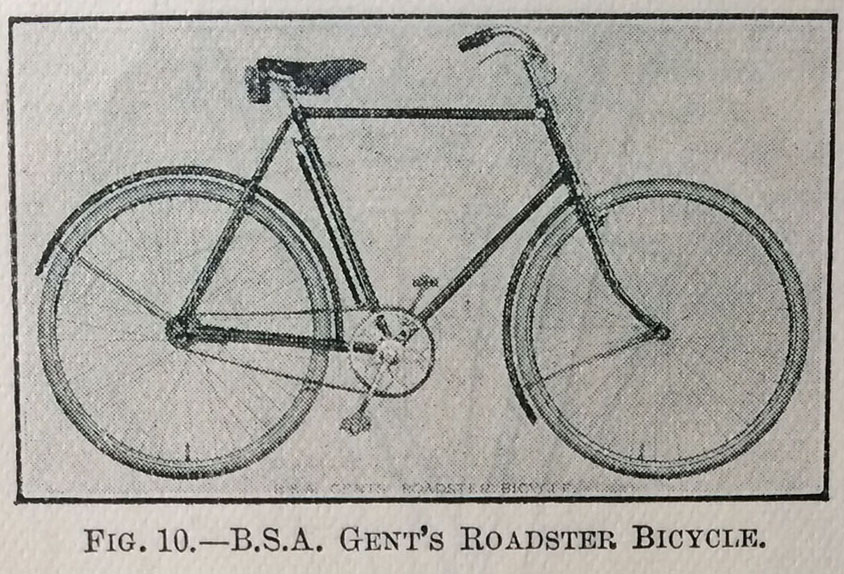
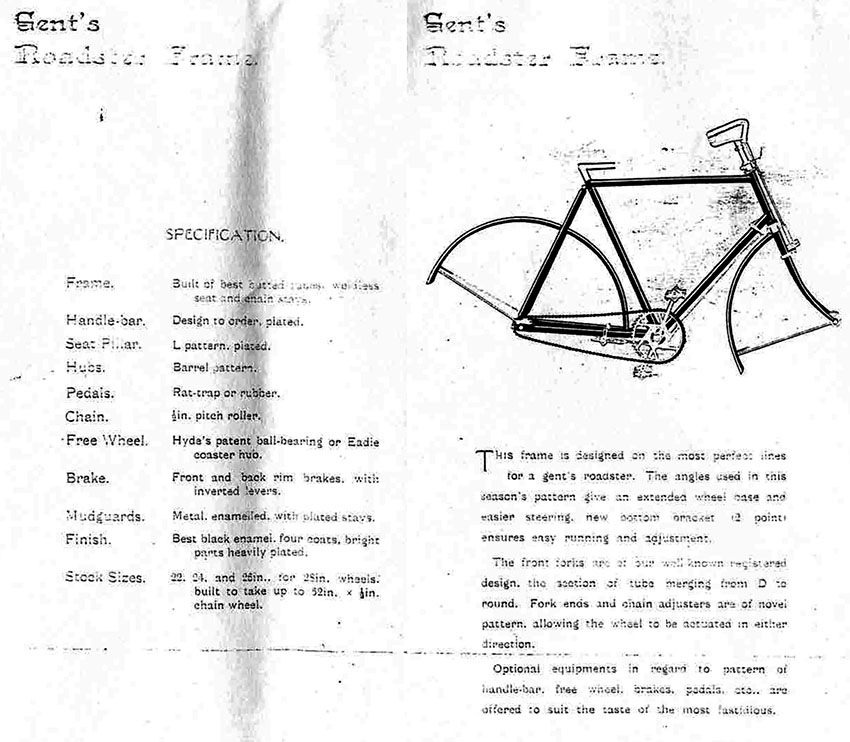
Above you can see an illustration from ‘The Boy’s Own Newspaper’ showing the new 1910 BSA Roadster. Standard frame sizes were from 21″ to 27″. An Eadie coaster brake with rim brake at the front was offered and… ‘for an extra 25s a two-speed gear is fitted.’
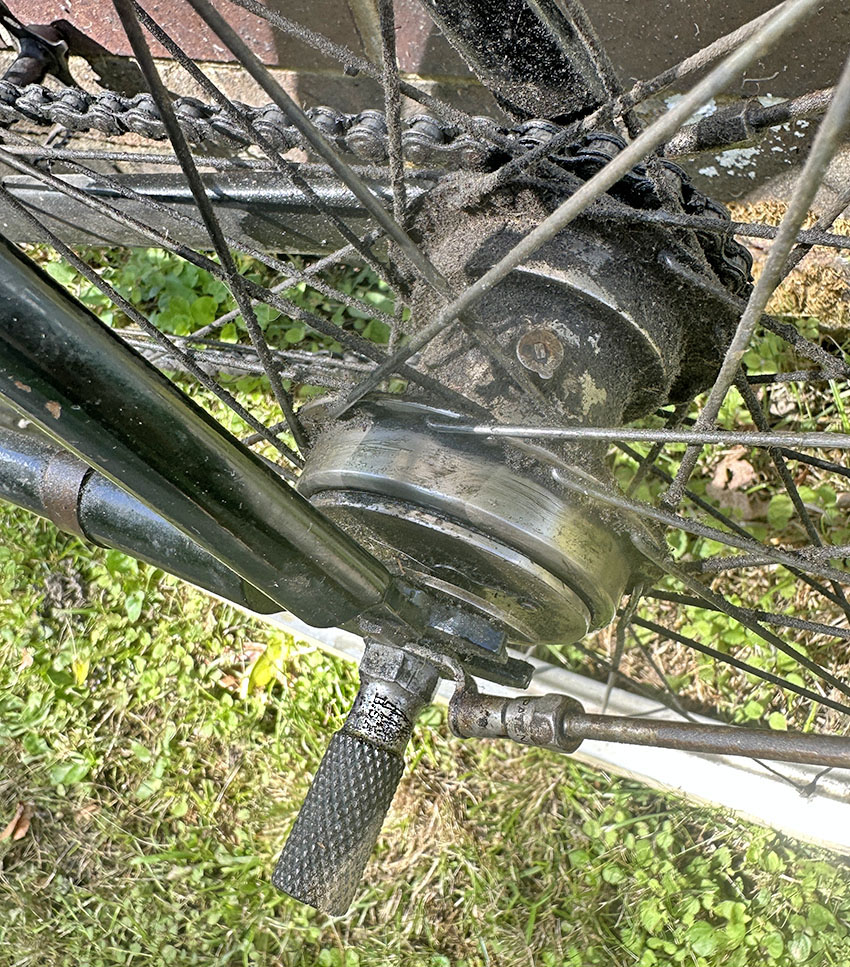
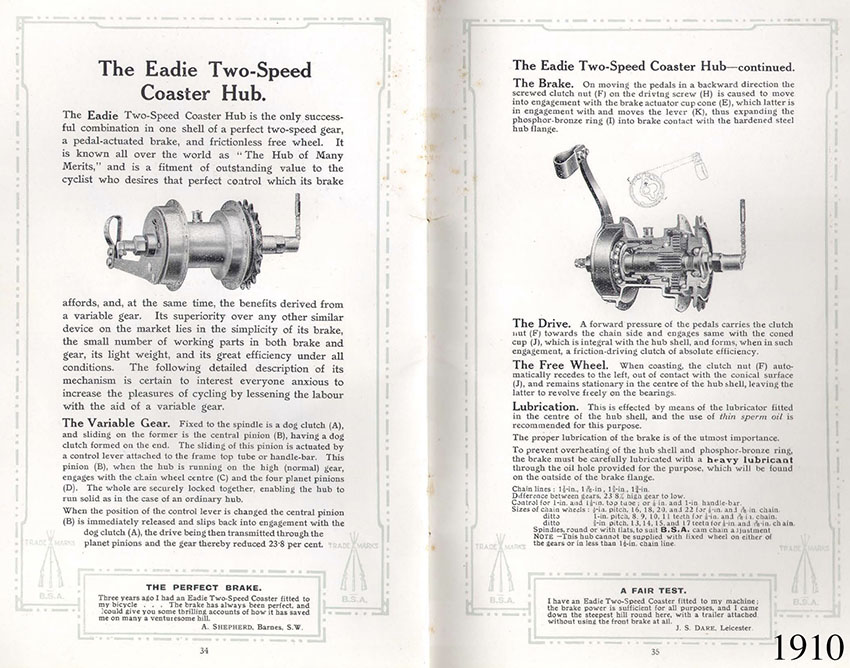
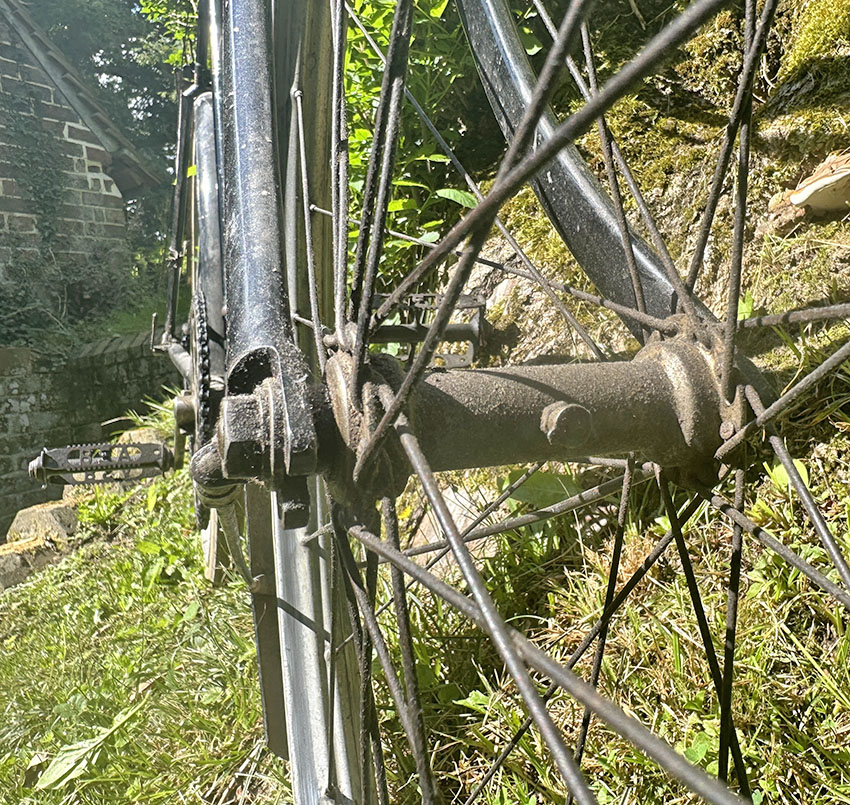
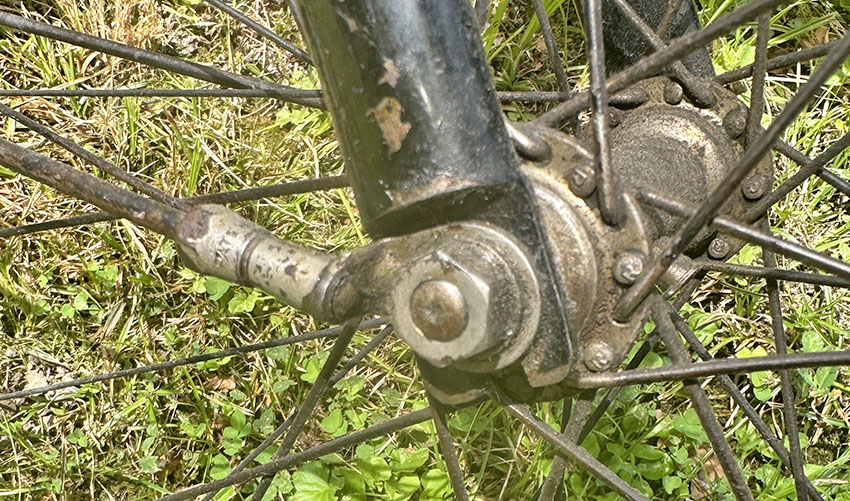
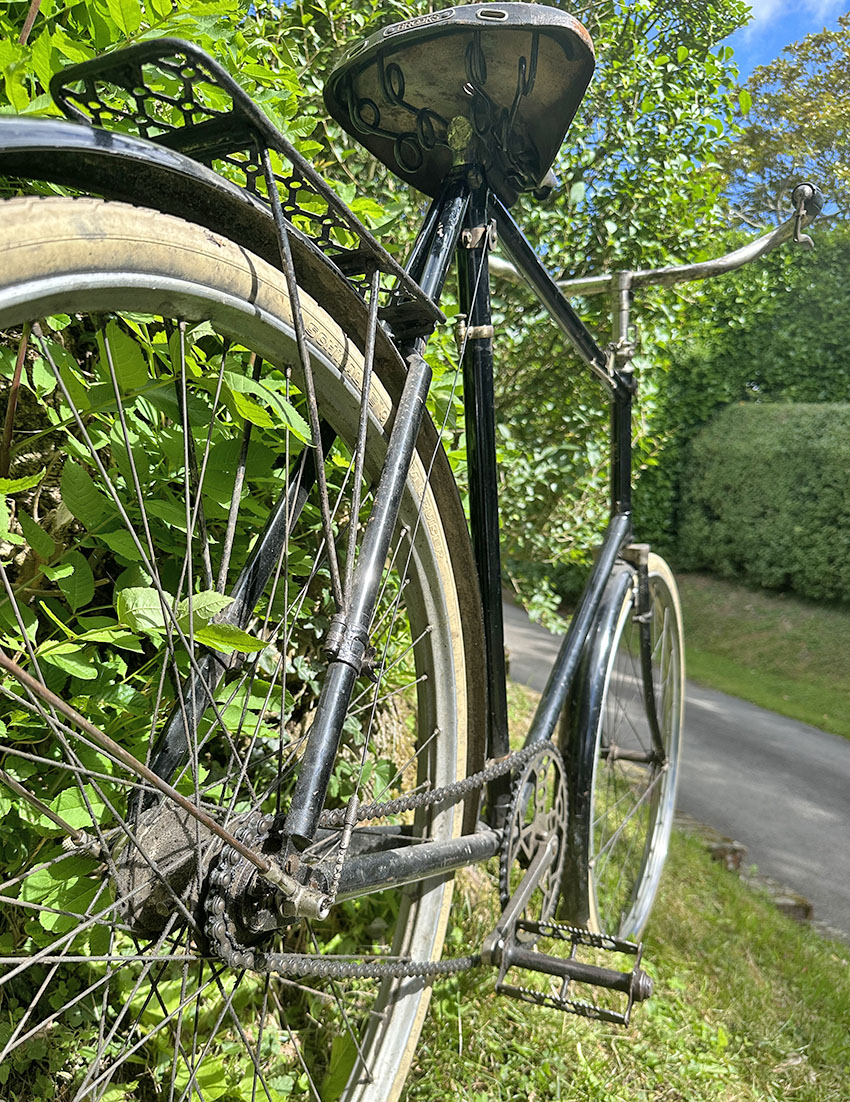
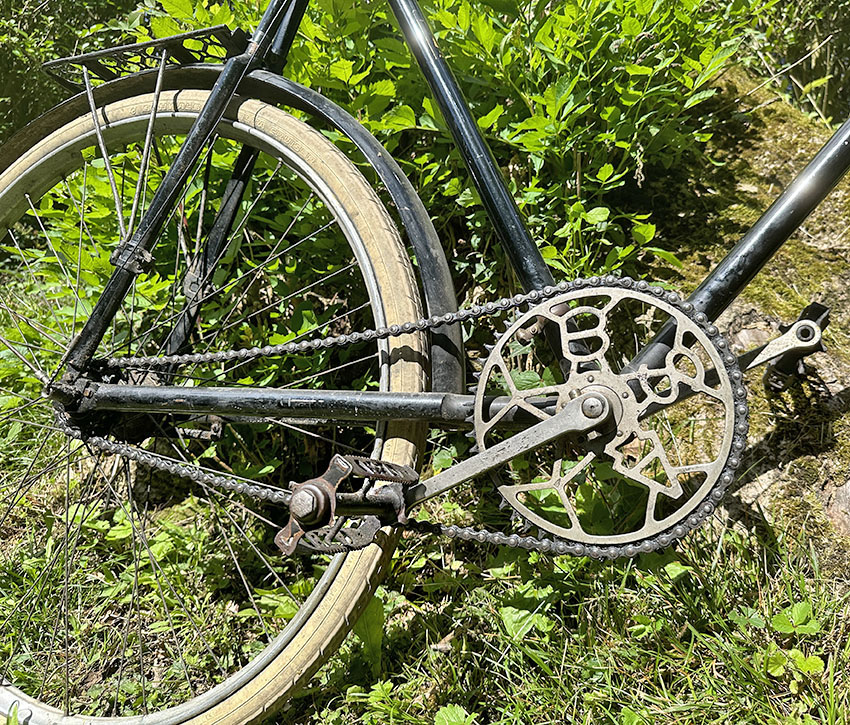
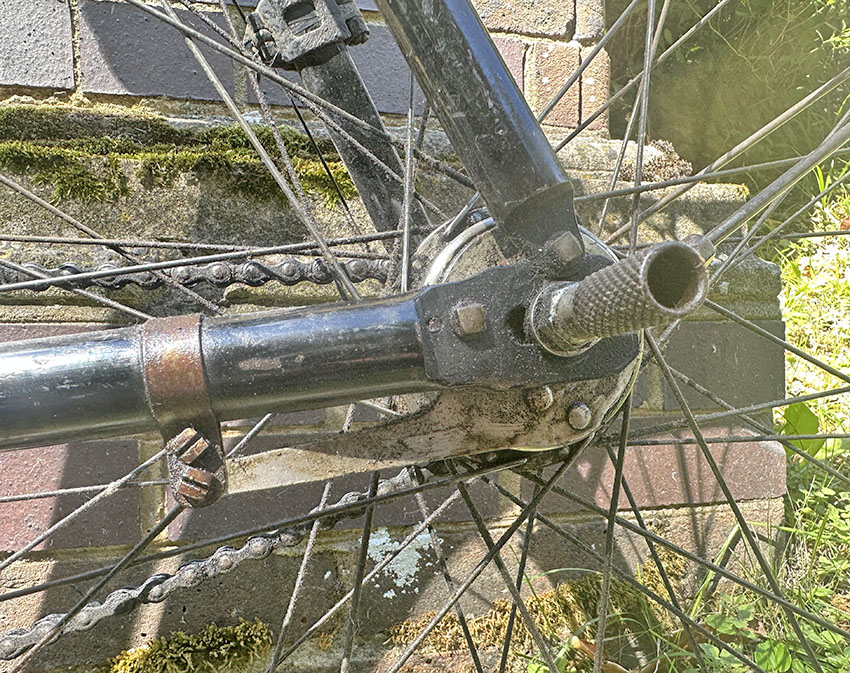
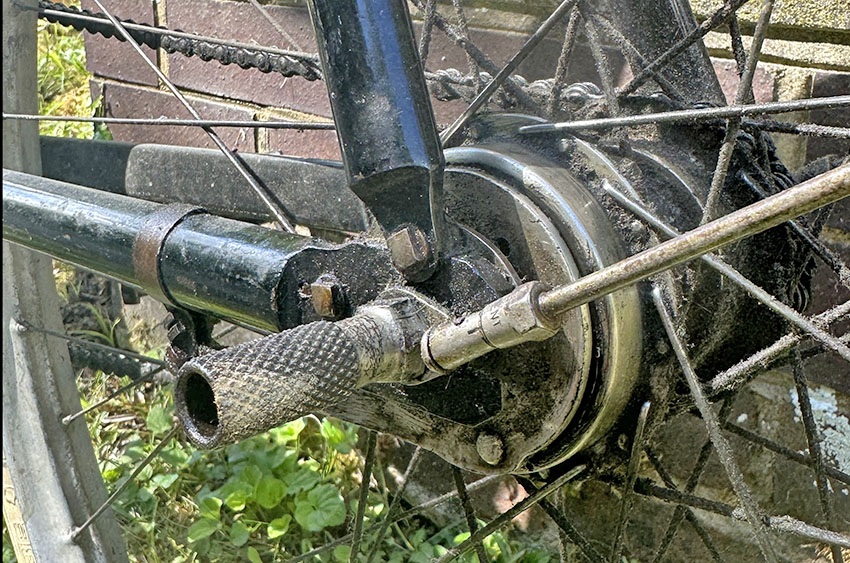
Eadie coaster hubs were the market leader. In 1904 Eadie had acquired the Fagan 2-speed gear patent so they could combine the two to provide the 2-speed coaster hub which you see here.
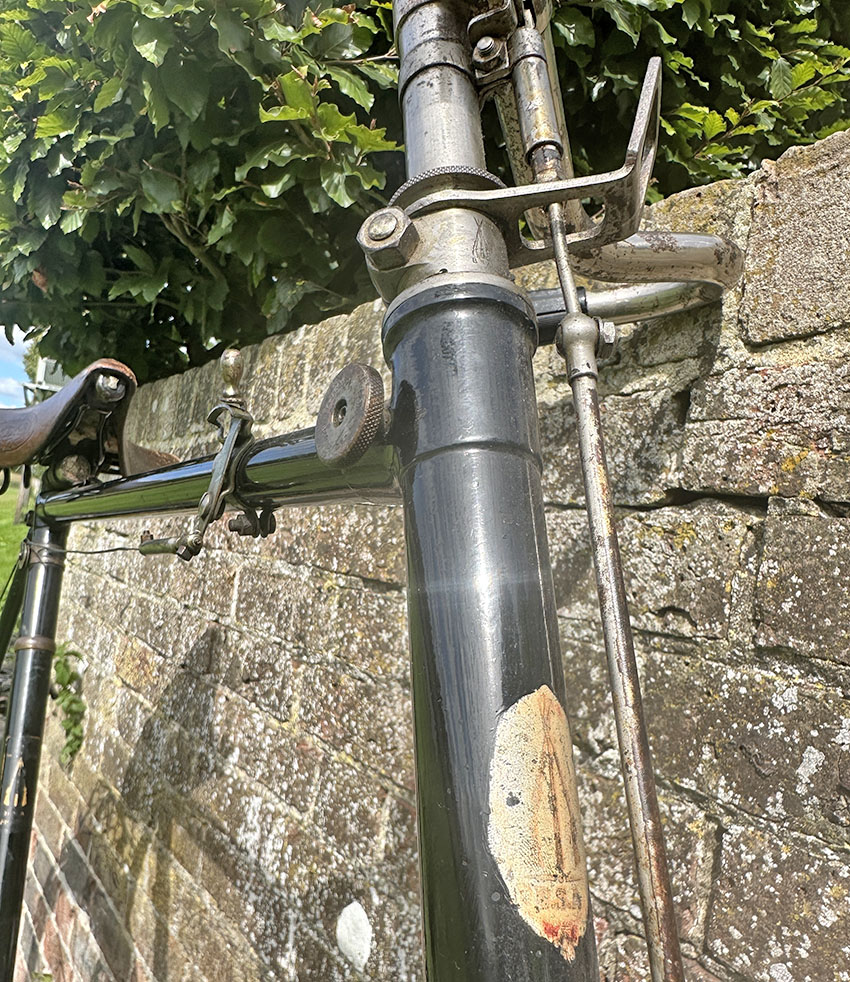
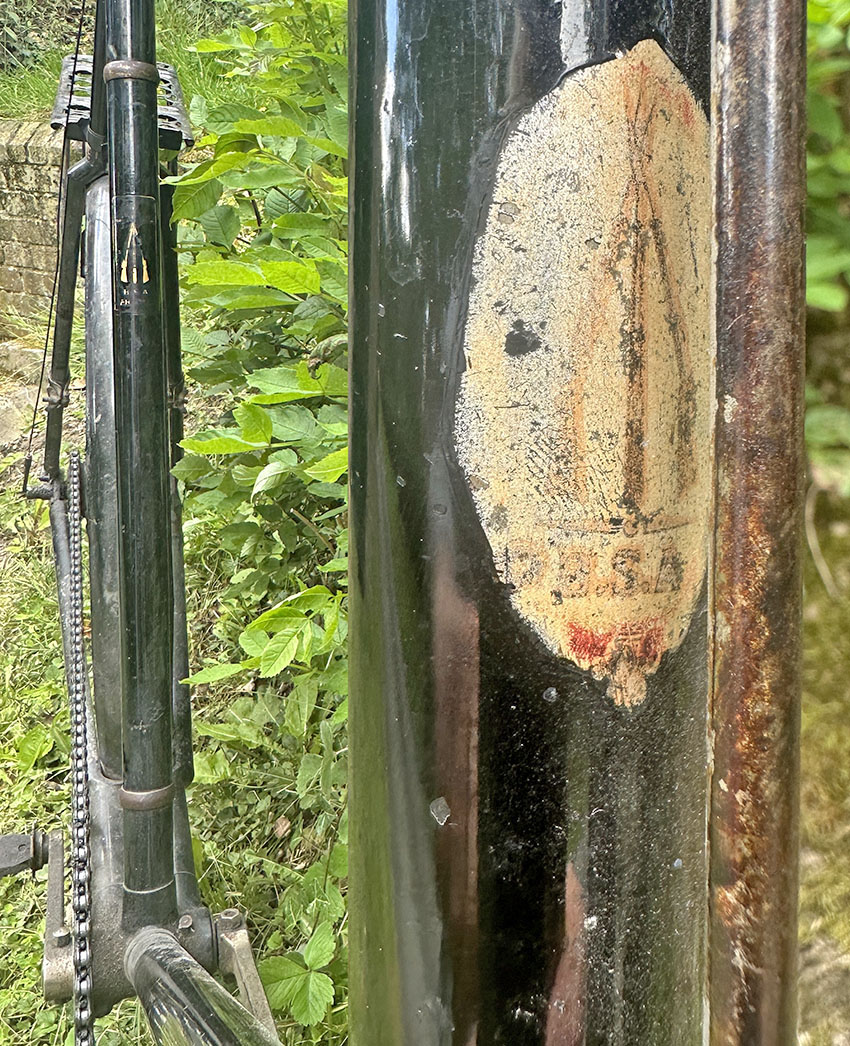
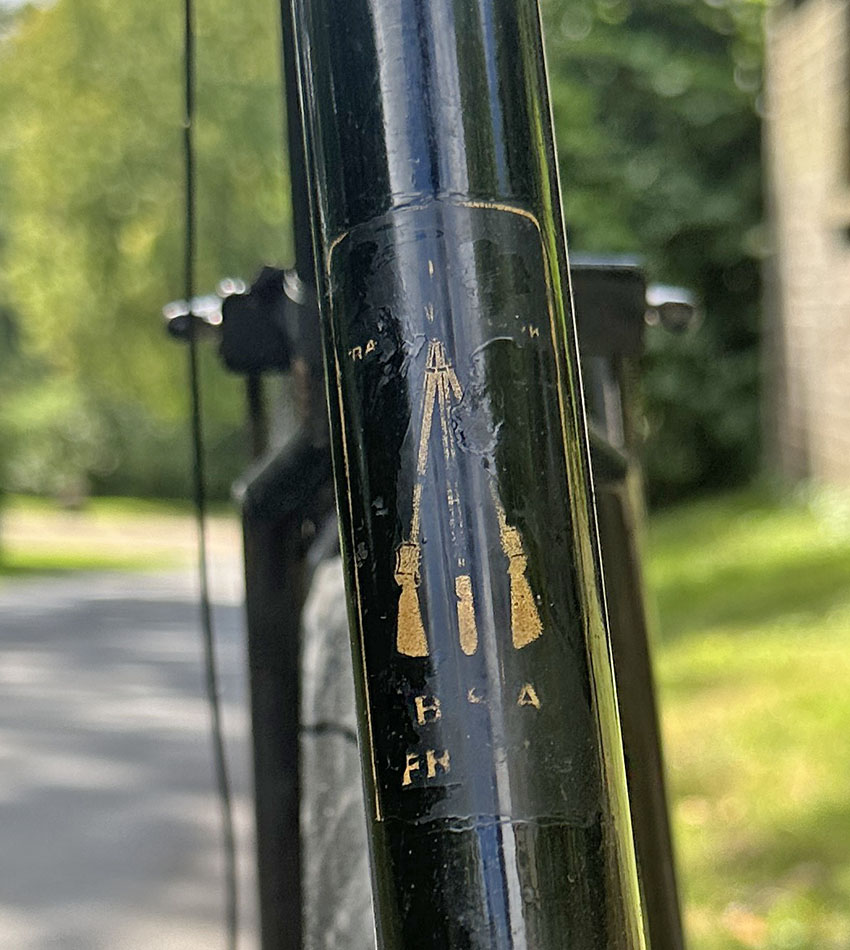
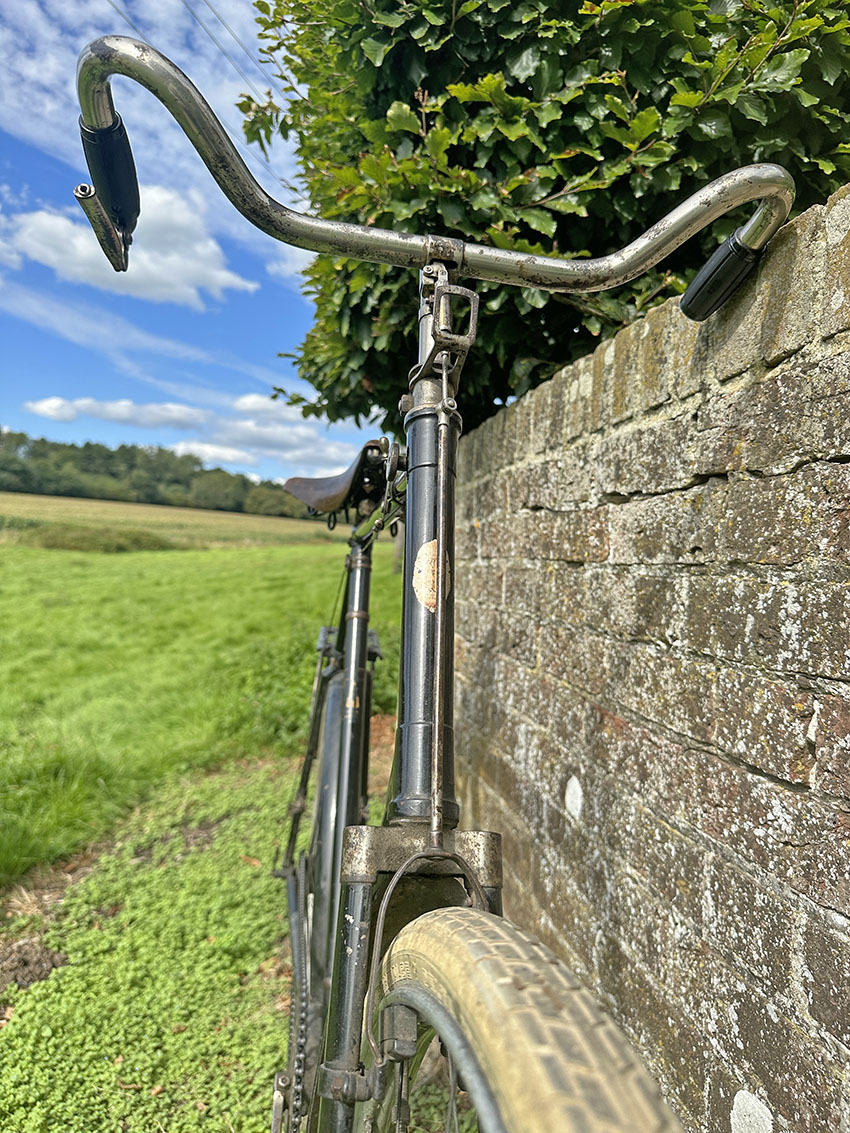
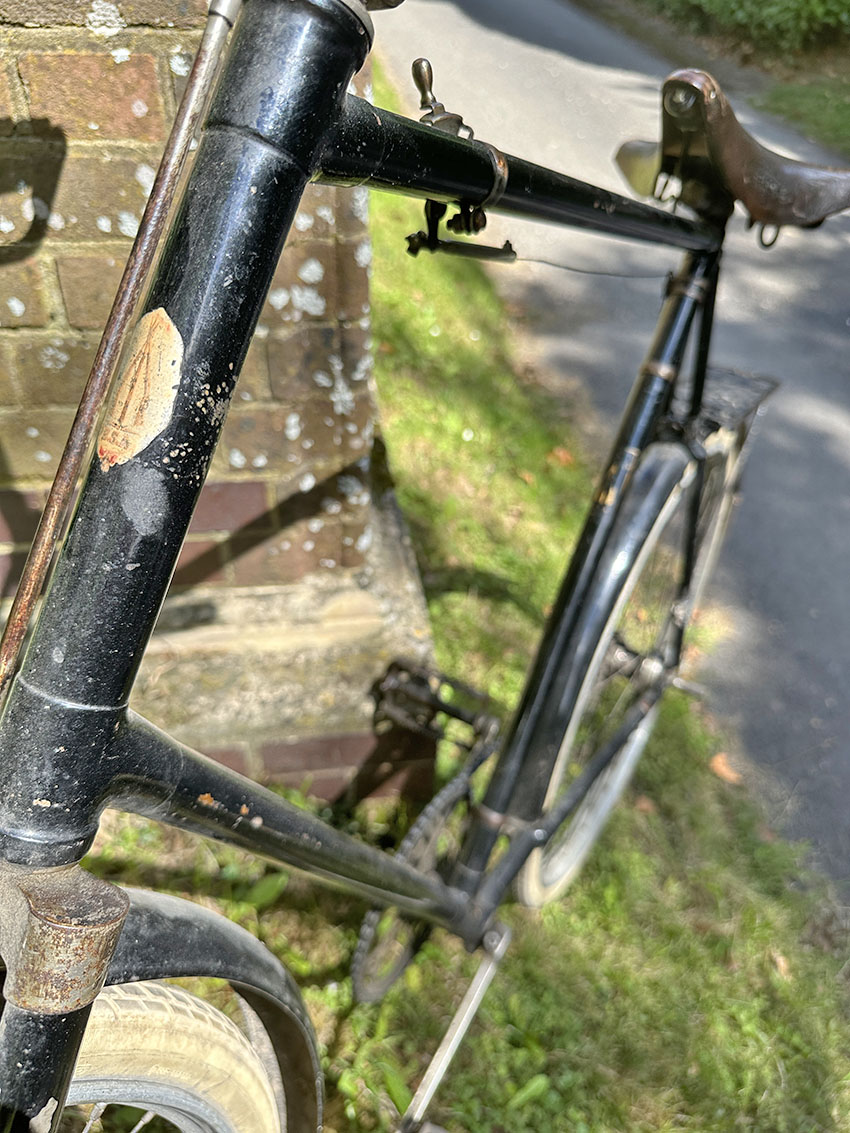
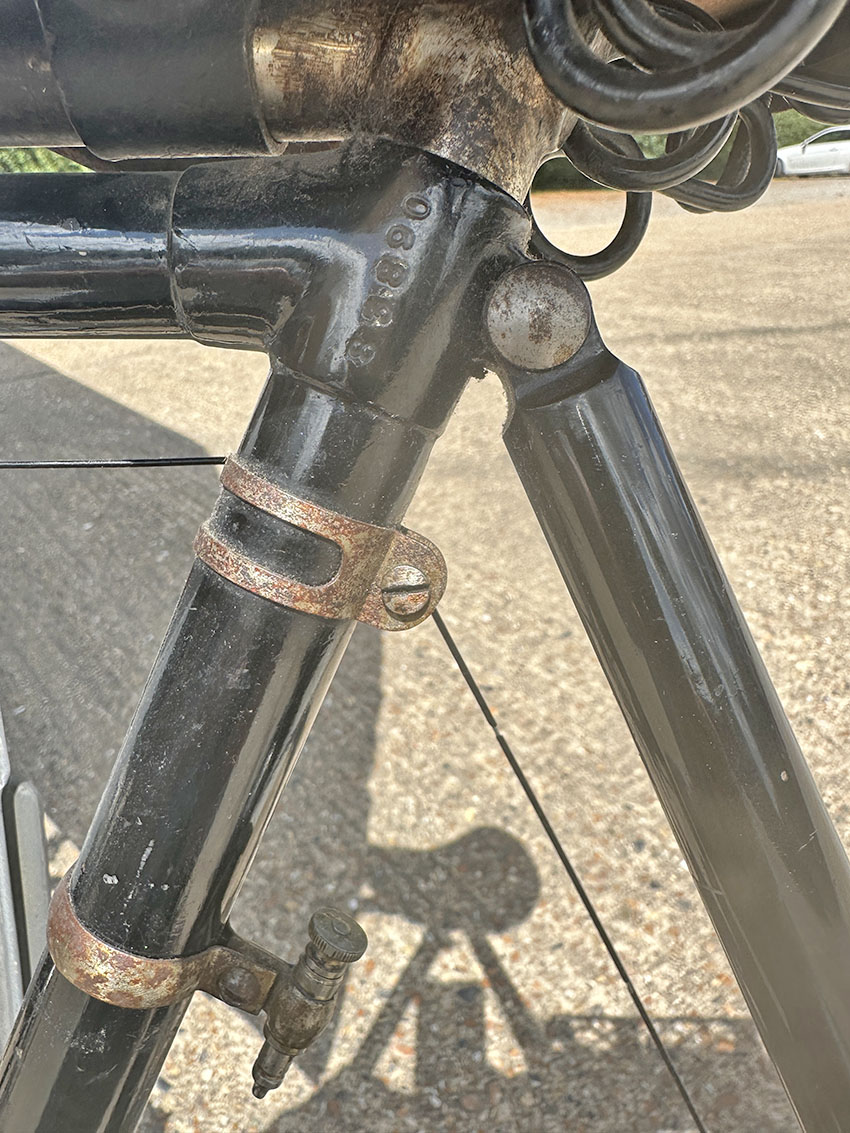
Below you can see the BSA transfer (decal) on the seat tube which shows that the bicycle has a frame made by BSA themselves (as distinct from one assembled by another company using BSA fittings).


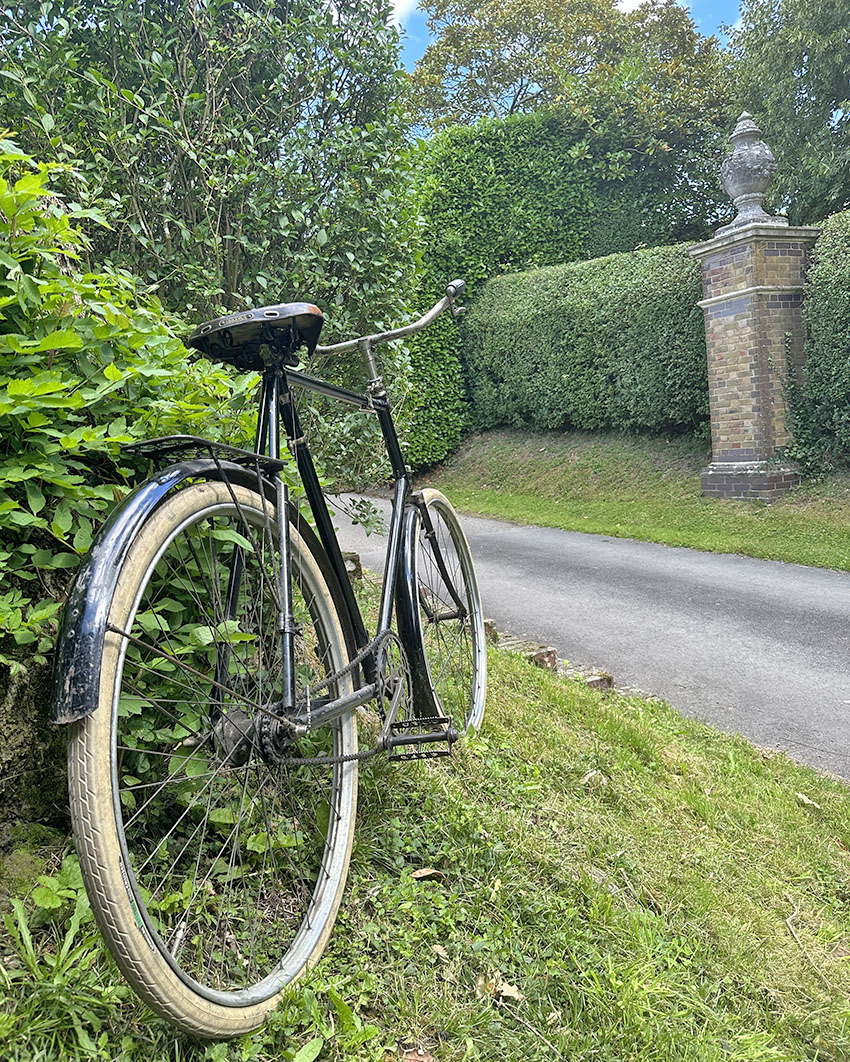
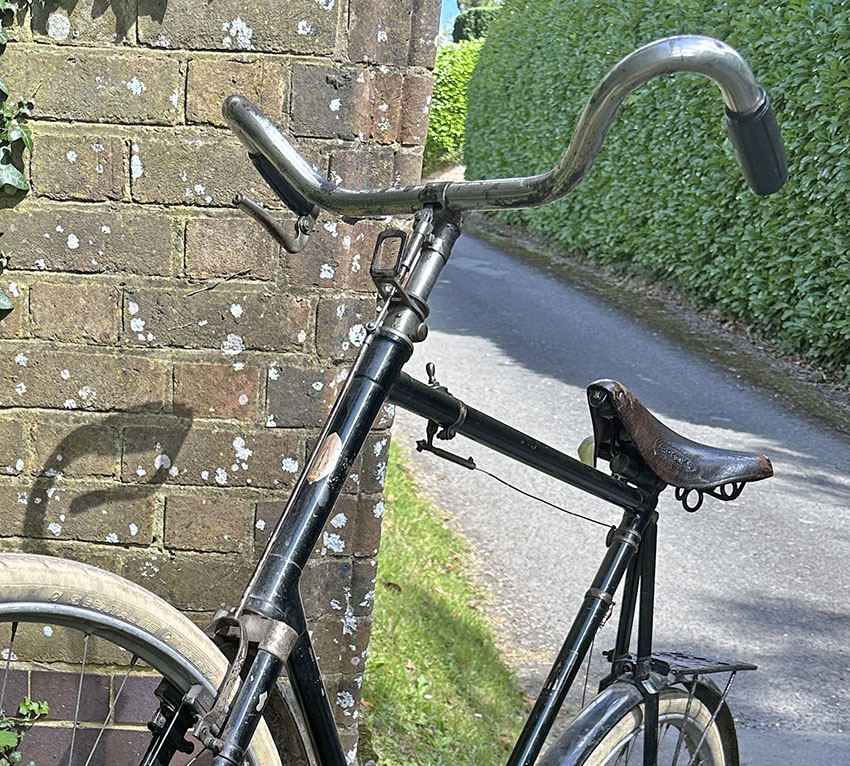
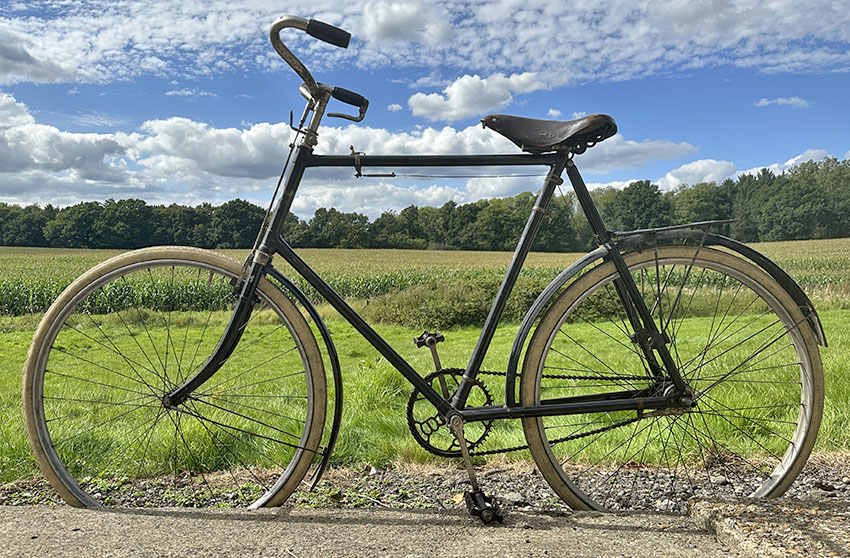
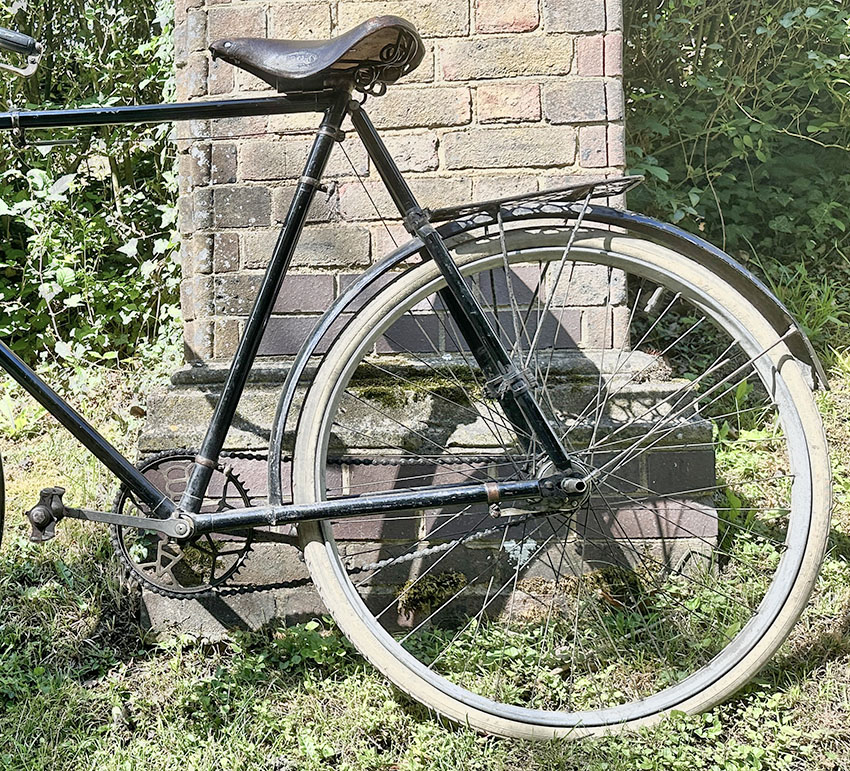
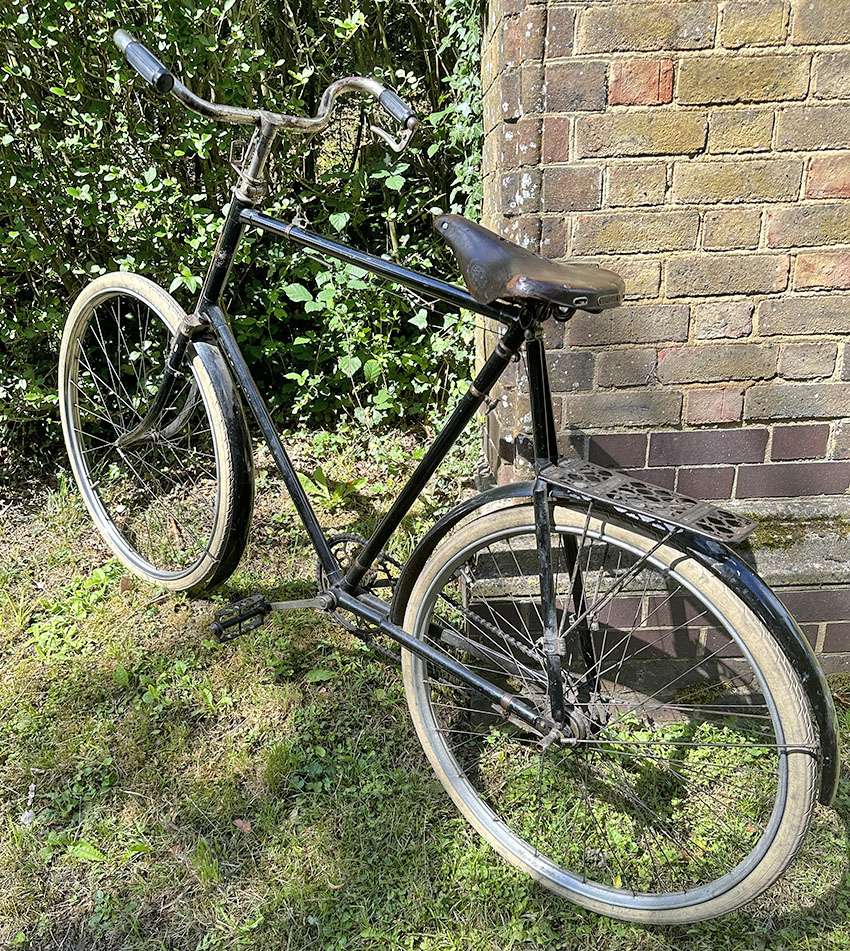
1910 BSA Light Roadster
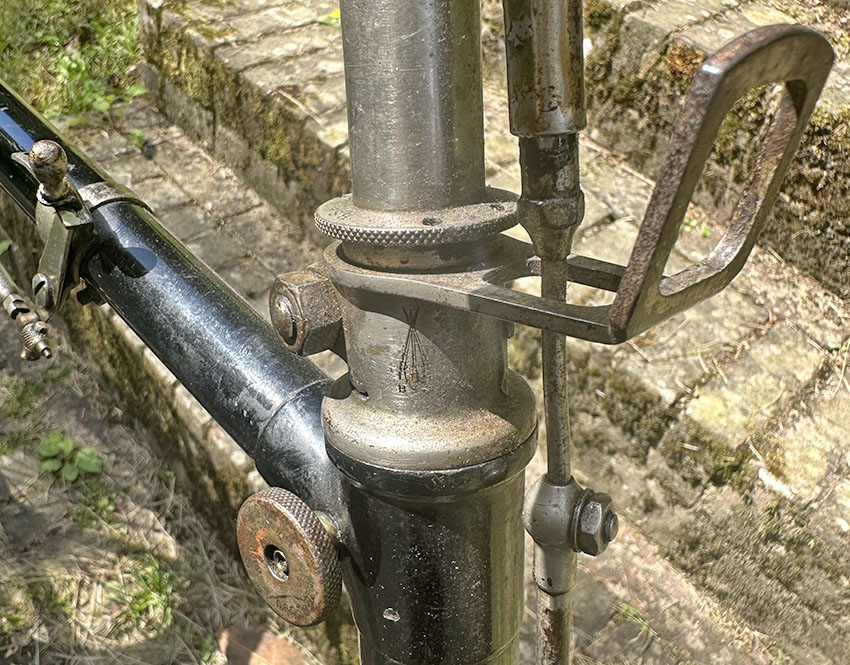
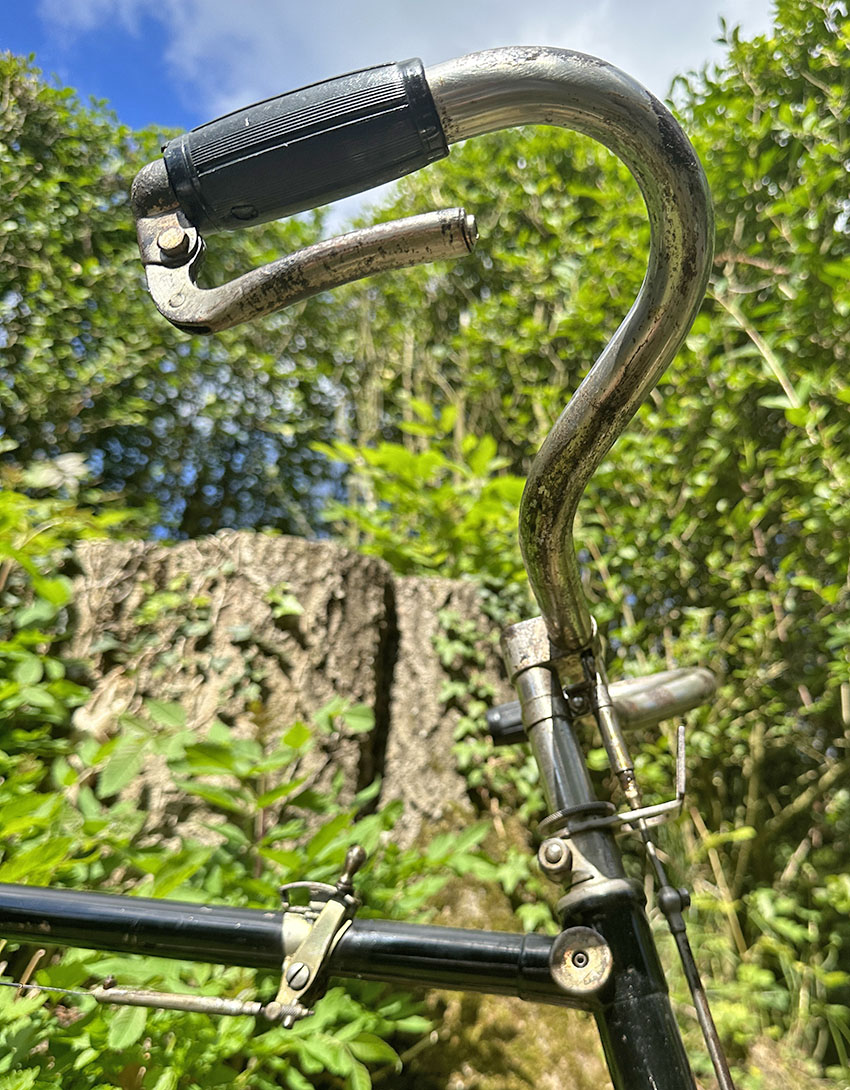
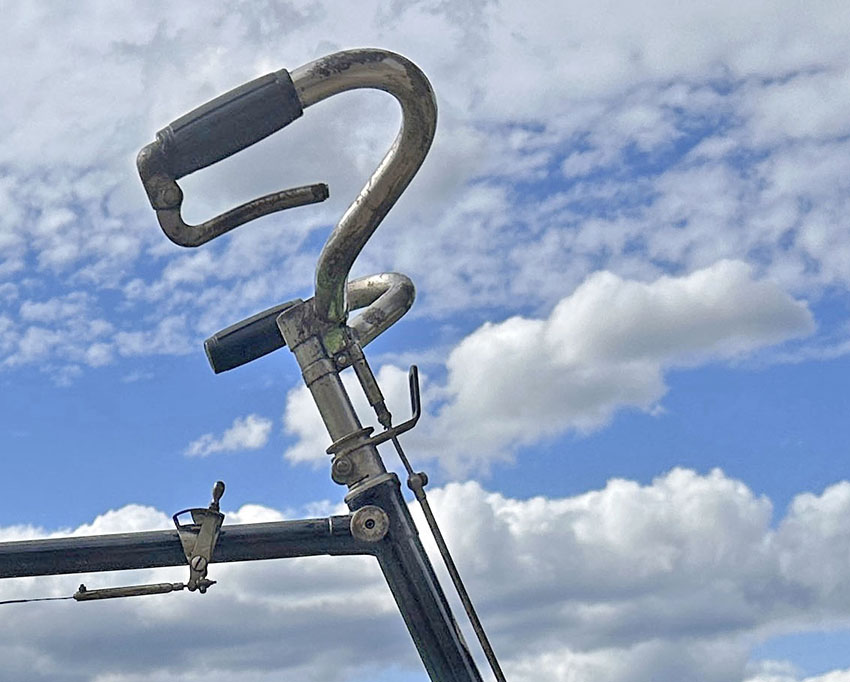
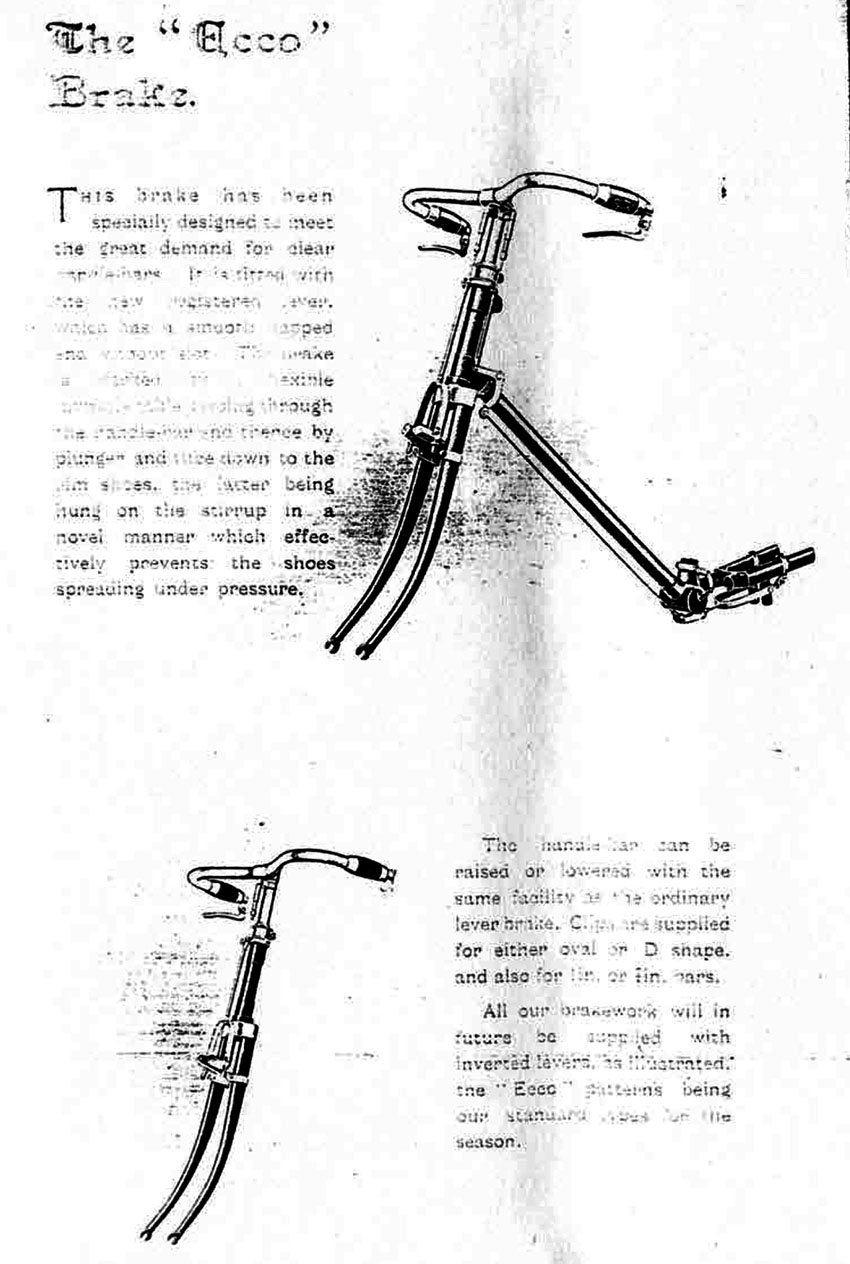
Eadie inverted lever front brake
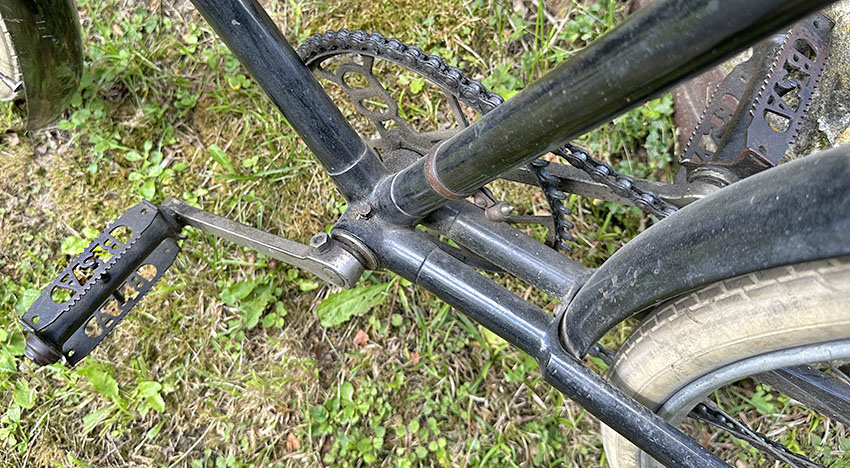
Eadie 2 speed coaster hub
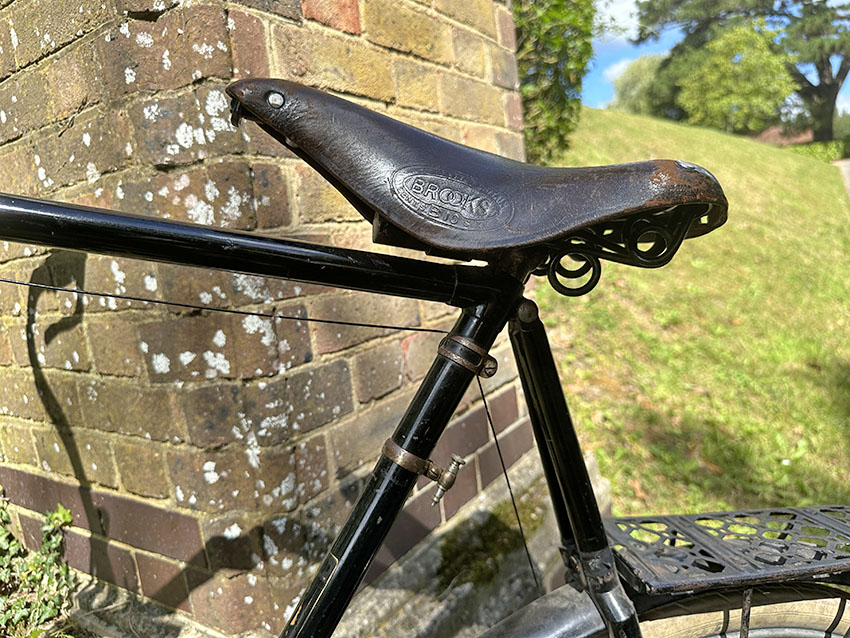
Brooks ‘Model B10’ saddle
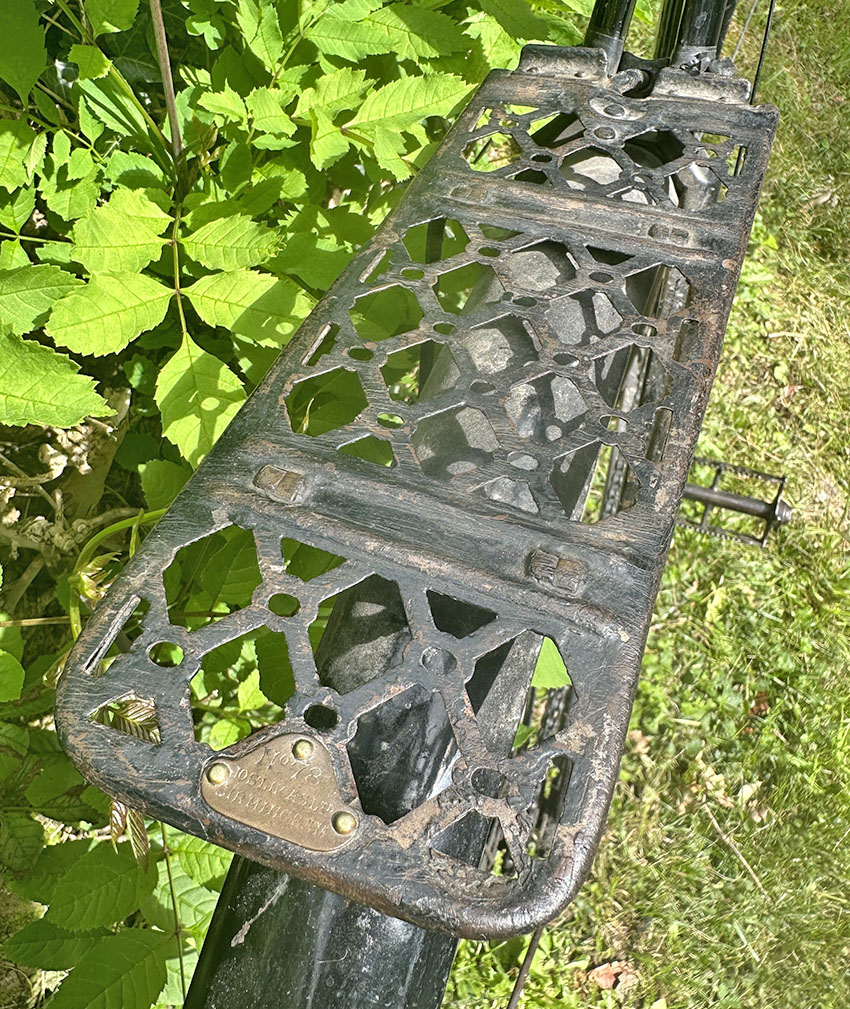
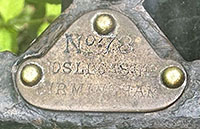
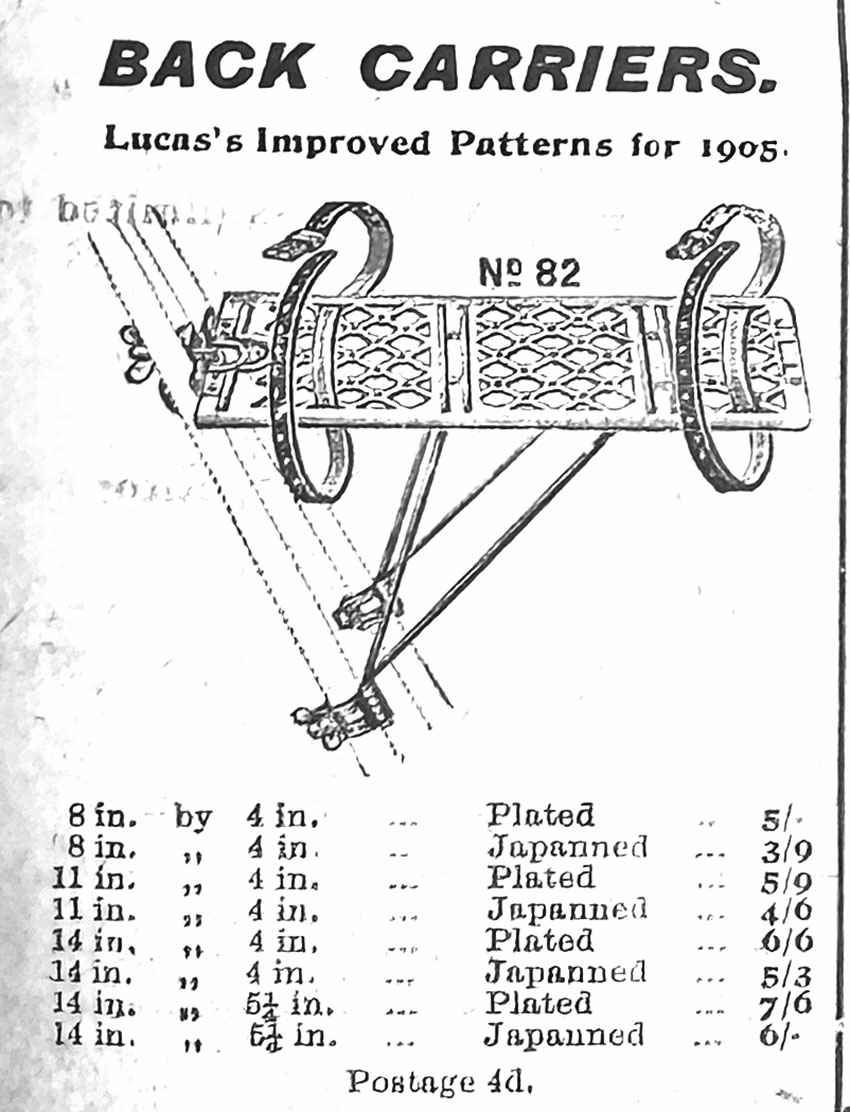
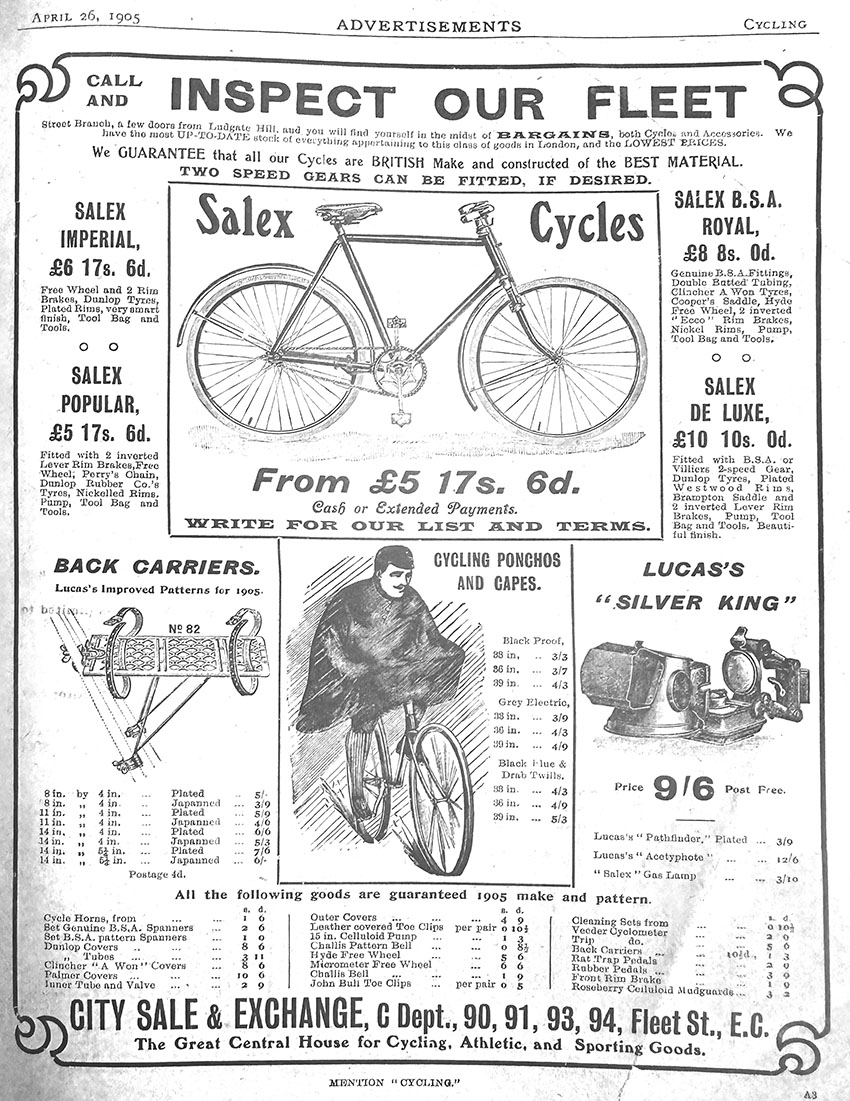
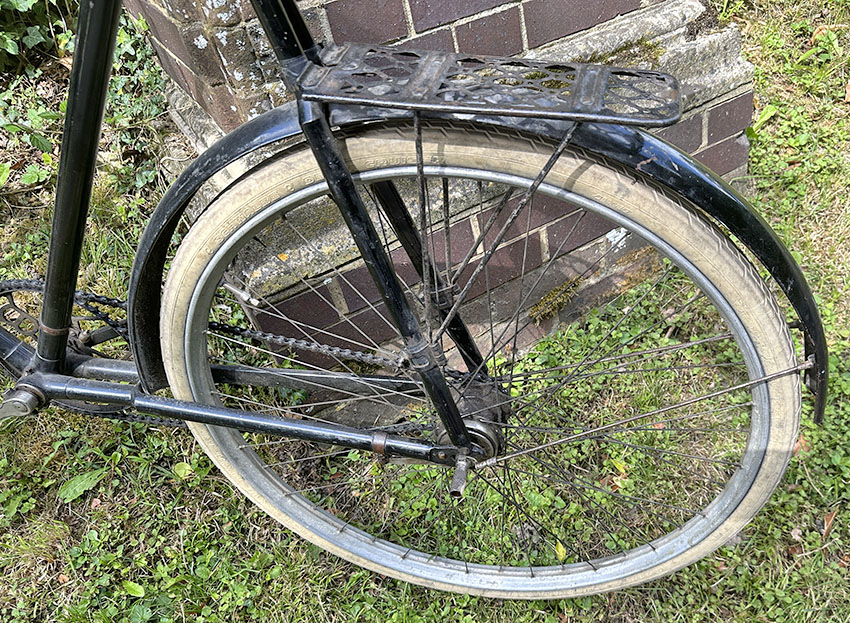
Lucas back carrier
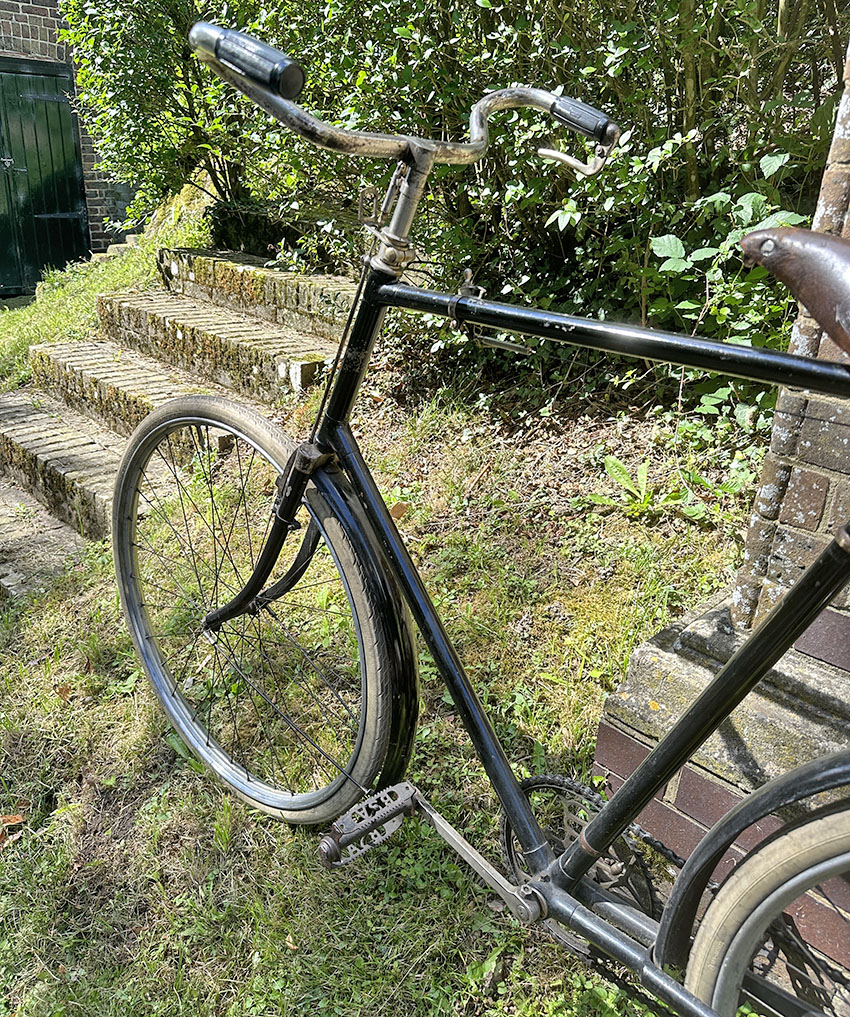
26″ Frame
28″ Wheels

The phrase ‘lightweight bicycle’ is a generic term describing machines of the thirties. But manufacturers of quality bicycles were constantly experimenting with lighter tubing to bring down the weight of their production roadsters in the late 1890s and early 1900s. Triumph and Rudge-Whitworth made a feature of their lightweight roadsters and were market leaders in this respect, while most other makers’ bicycles at this time were considerably heavier. However, at only 20lbs, this BSA Light Roadster is equal to any of its competitors.
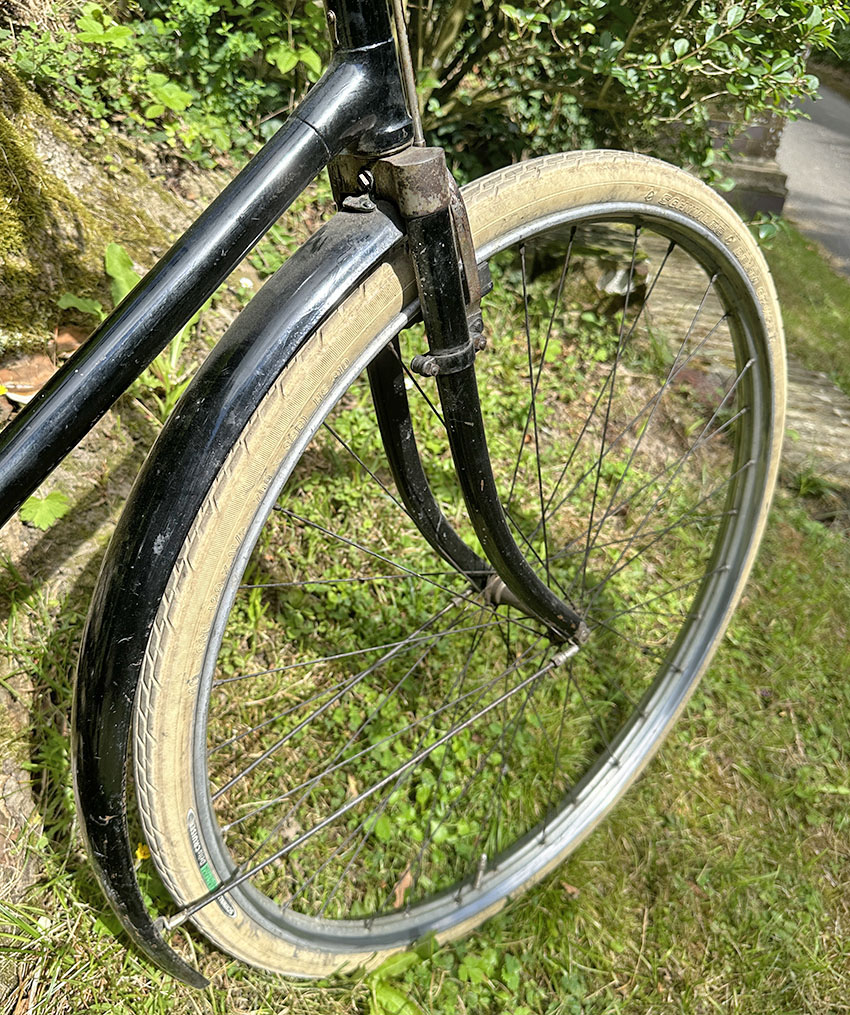
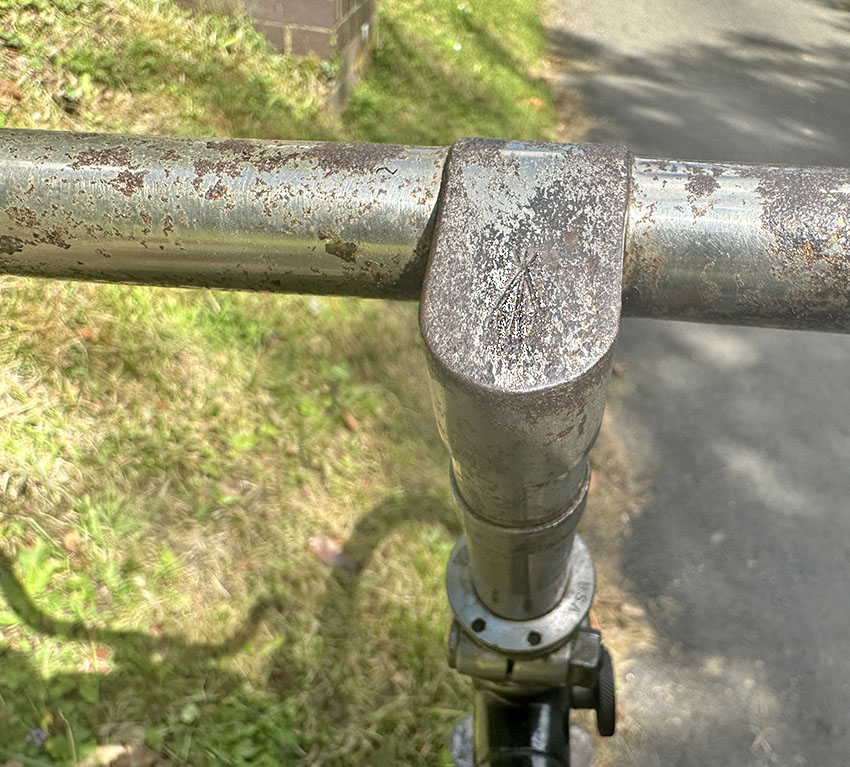
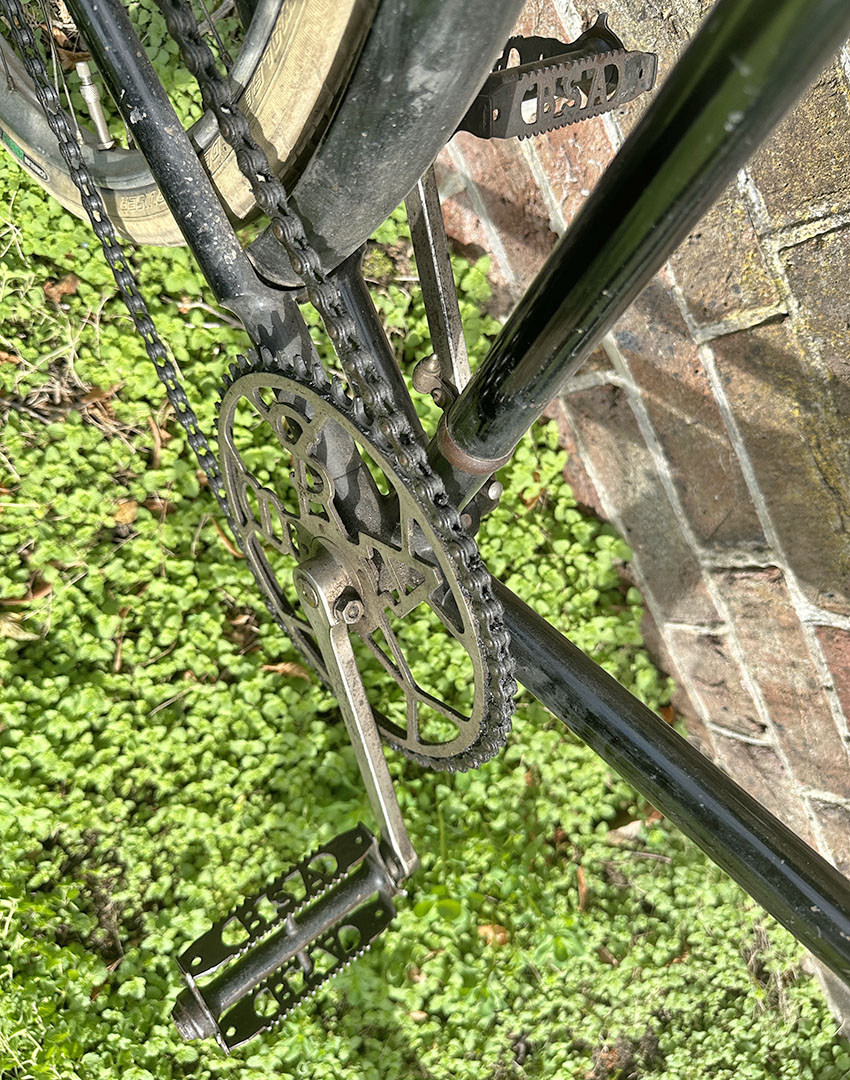
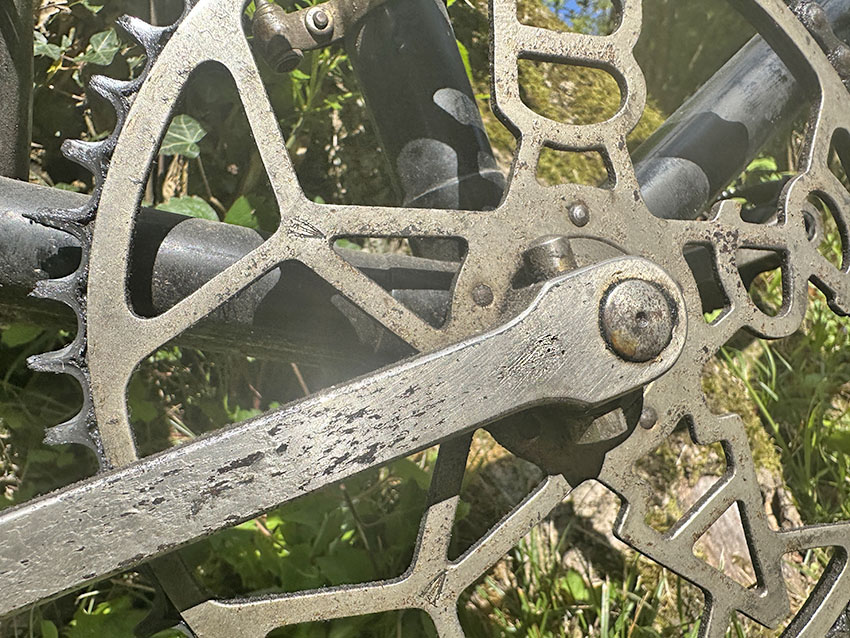
It’s rare to find a BSA from the first year of production, as most survivors are ‘BSA fittings machines’ using BSA parts. The most noticeable feature of a BSA of this year is the front mudguard which does not have a forward extension. I don’t have a 1910 BSA catalogue, but you can compare its features and components from the illustrations provided here. The BSA ‘3 rifles’ logo can be found all over the machine, even on the rear step.
I bought it four years ago from my dear friend Robert Seaman (RIP) who had used it as his daily rider and maintained it in excellent order. It’s ready to ride.
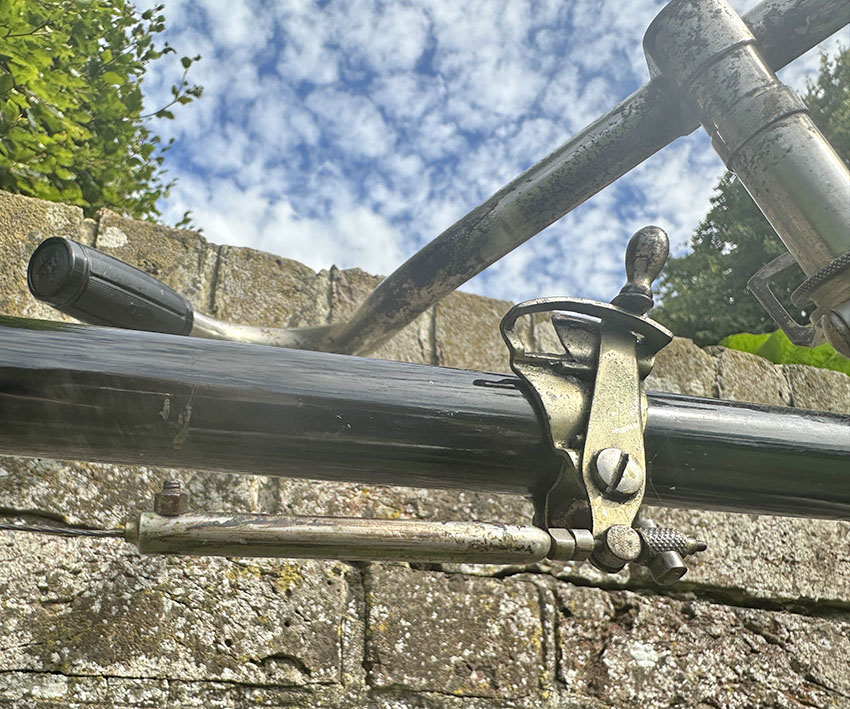
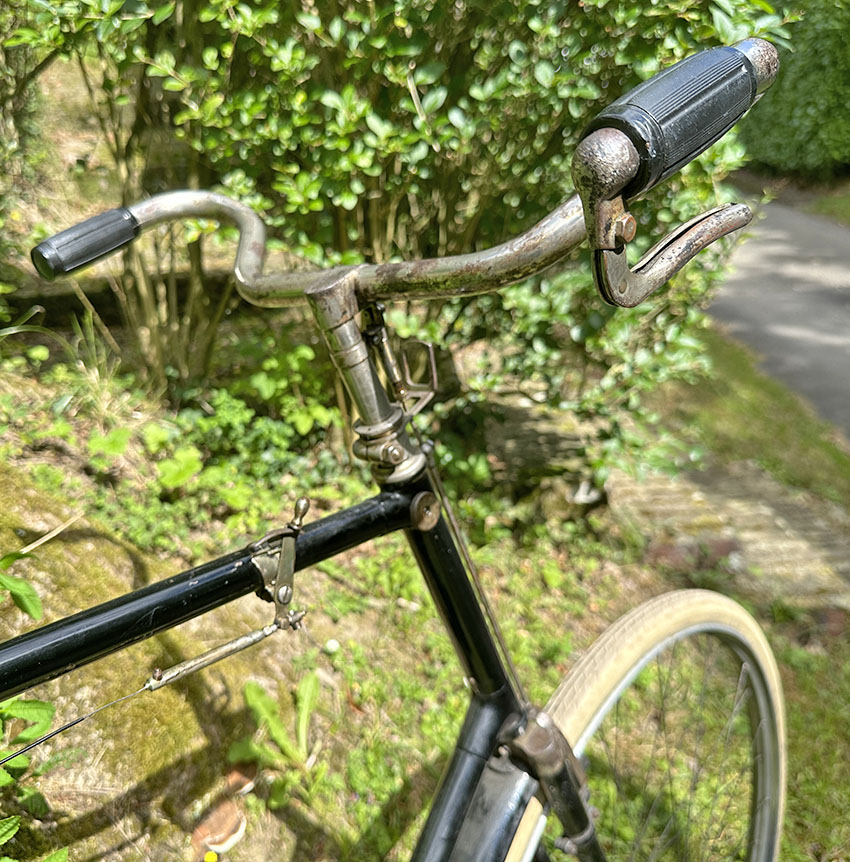




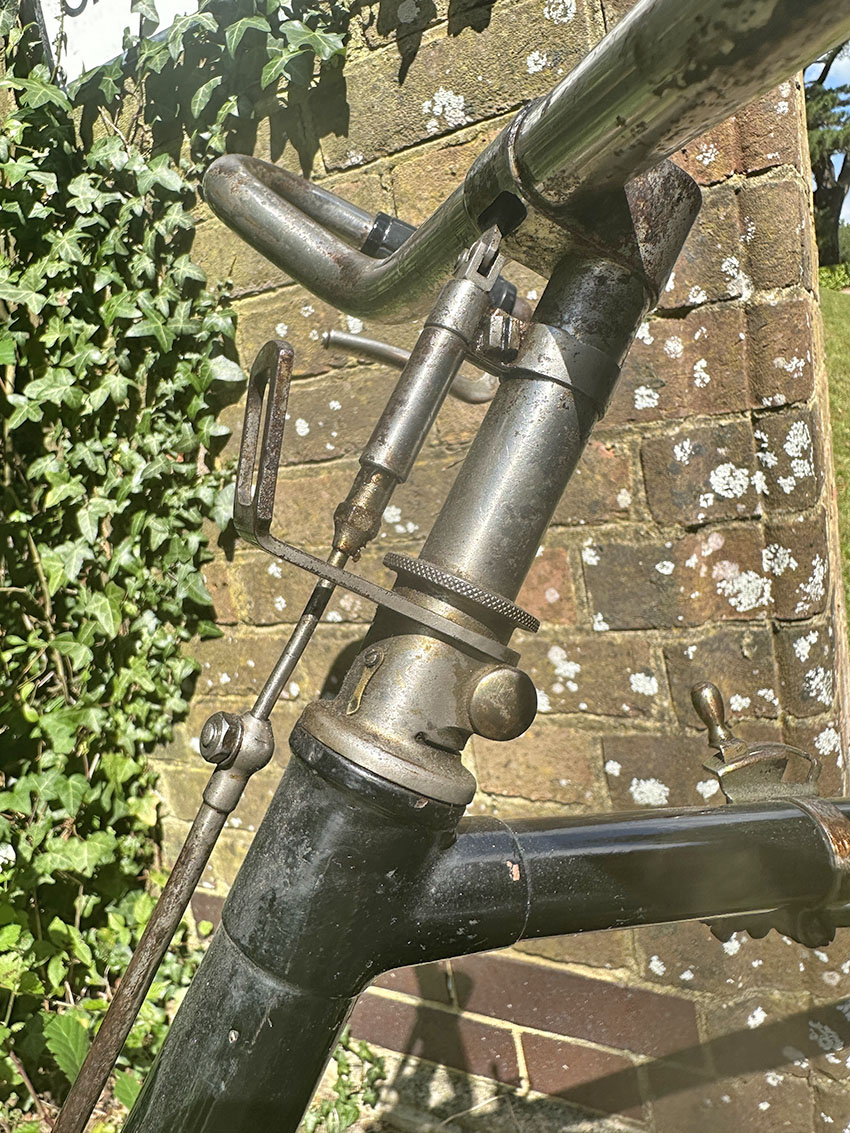
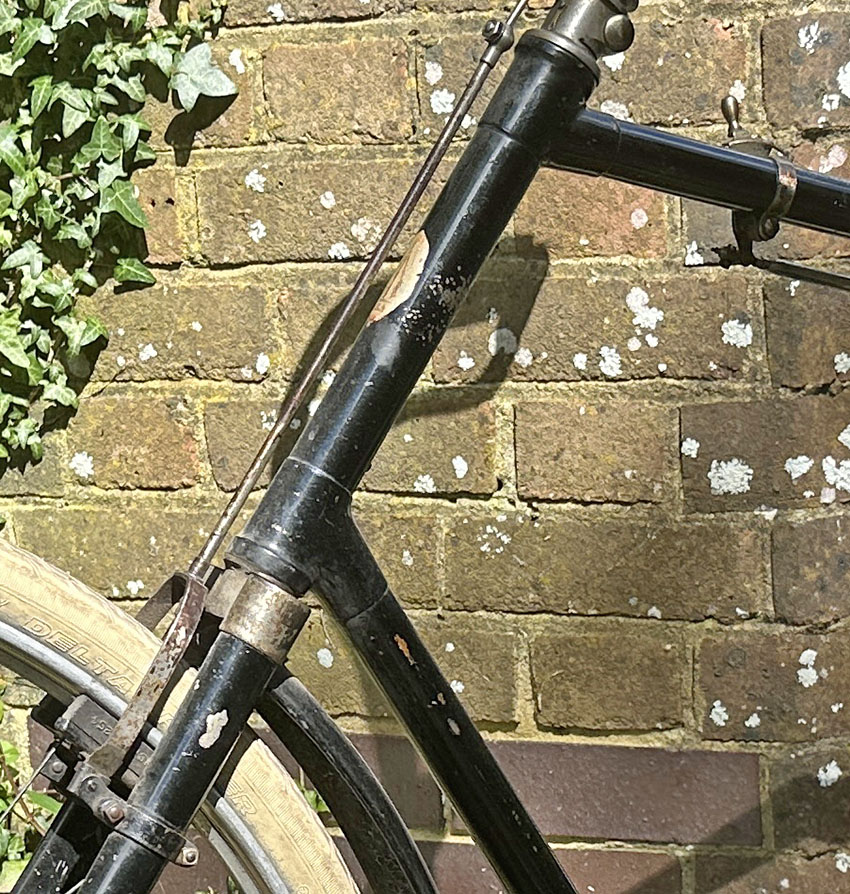


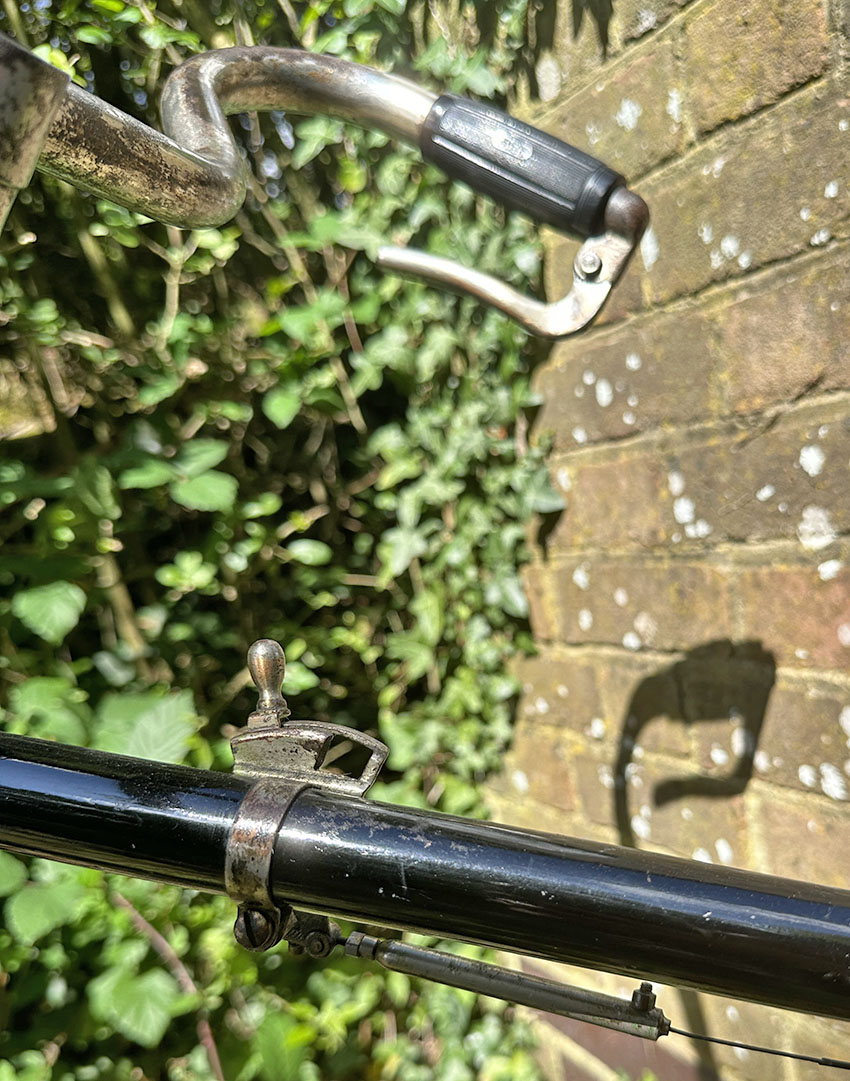

EADIE INVERTED LEVER FRONT RIM BRAKE


EADIE 2 SPEED COASTER HUB
“BSA amalgamated with Eadie Manufacturing Co in 1907. Eadie Coaster hubs were then offered in the BSA catalogue as an option to BSA hubs (see 1910 catalogue, below). These fitments, together with the B.S.A. Three-speed Hub, B.S.A. Chains, and B.S.A. Free Wheels, gave the Company by far the largest range of coasters, variable gears, free wheels, etc., possessed by any company.”