Inside the factory illustrated opposite, no common bicycles are made – this can hardly be said of any other large cycle factory.
Yet IT IS IMPOSSIBLE to make common bicycles in the same factory, where of necessity they pass through the same hands of the SAME workmen, the SAME processes, and the SAME supervision.
Experienced cyclists regard with suspicion many so-called ‘best quality’ bicycles on this account – They consider them to be merely the common quality with a few extra fittings, a little extra finish, and a good deal extra profit.
Sunbeams alone are free from this suspicion, for this list will demonstrate that the lowest-priced Sunbeam Bicycle is sold at £12 12/- nett.
– Sunbeam Sales Catalogue, 1915
The above statement was designed to harp on the fact that, by 1915, all Sunbeam’s competitors except Dursley Pedersen had introduced a range of cheap models alongside their top quality machines and were having difficulty justifying the prices of their top models.
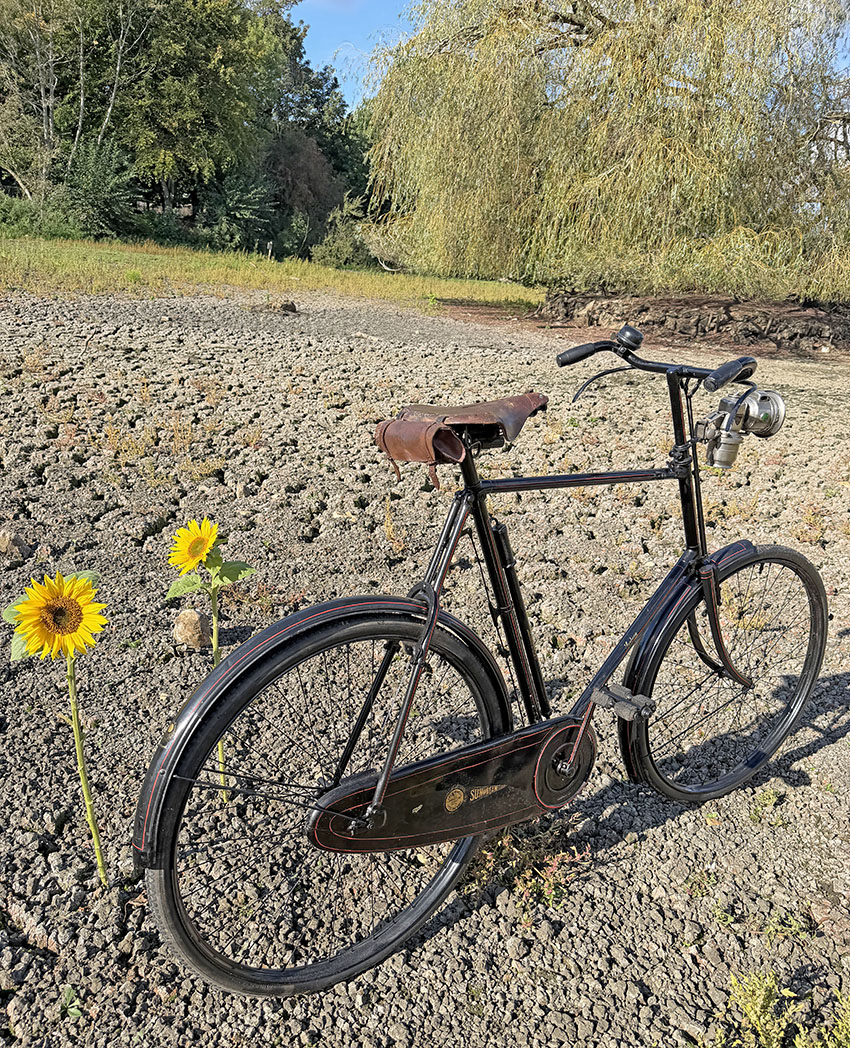
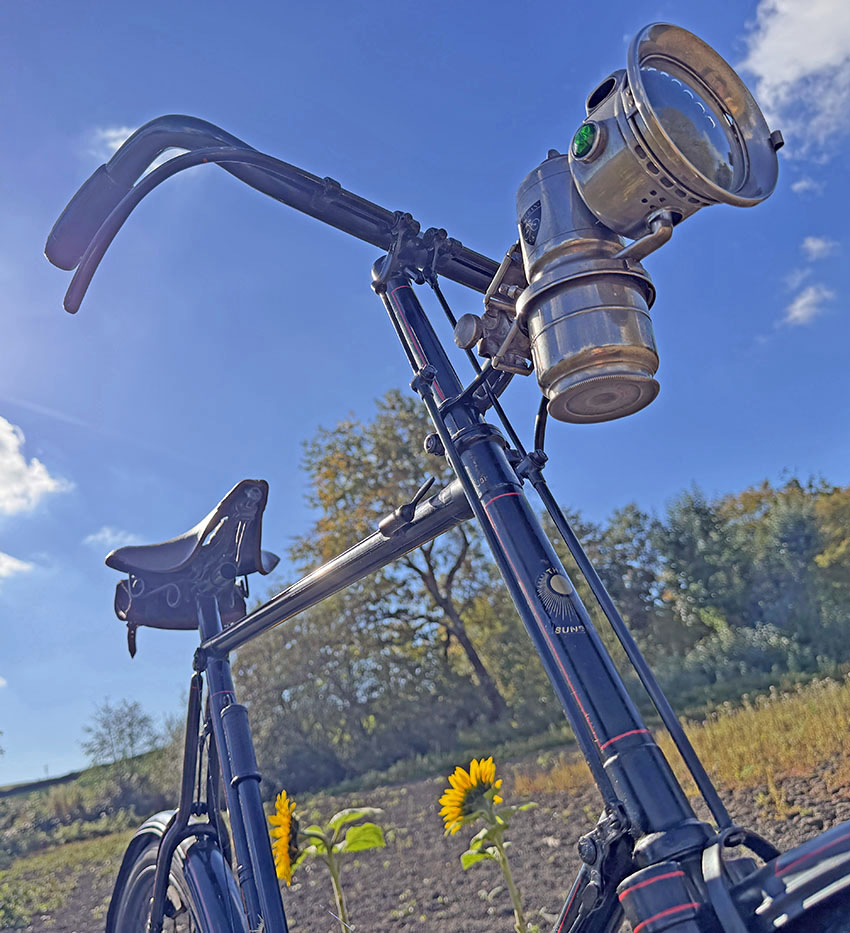
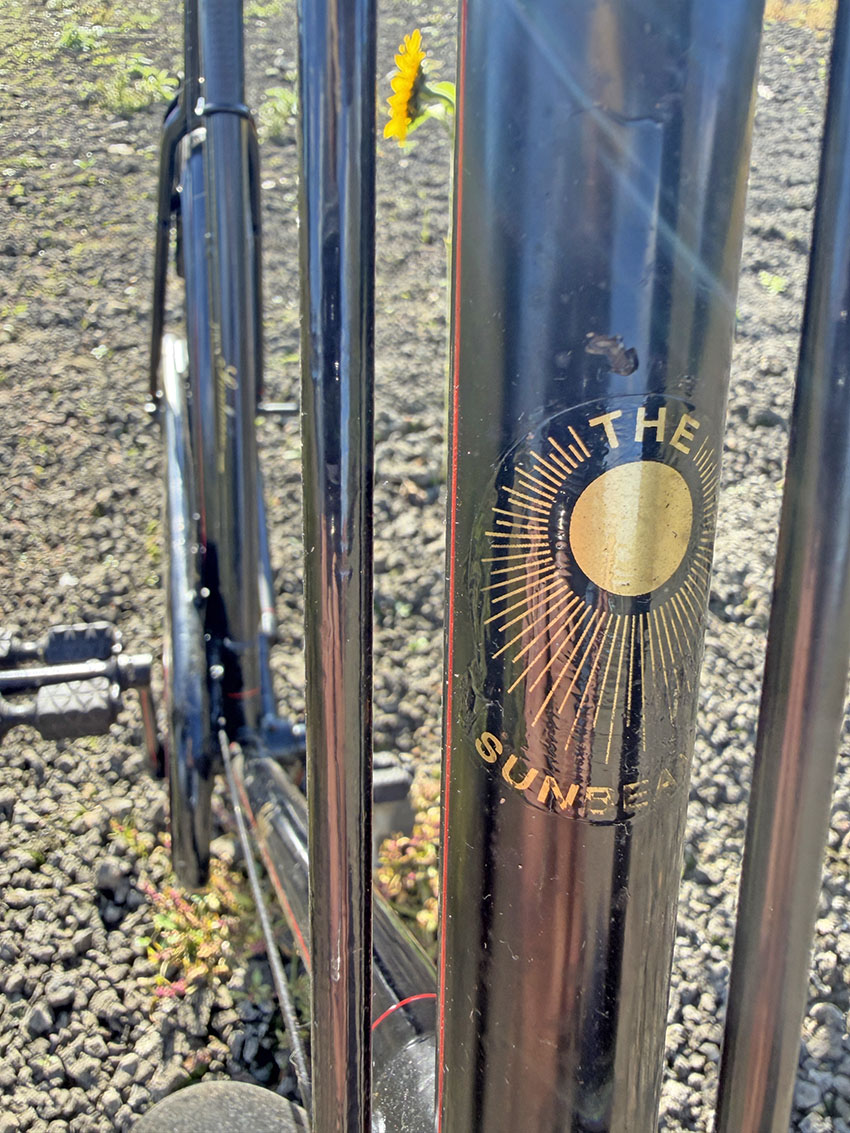
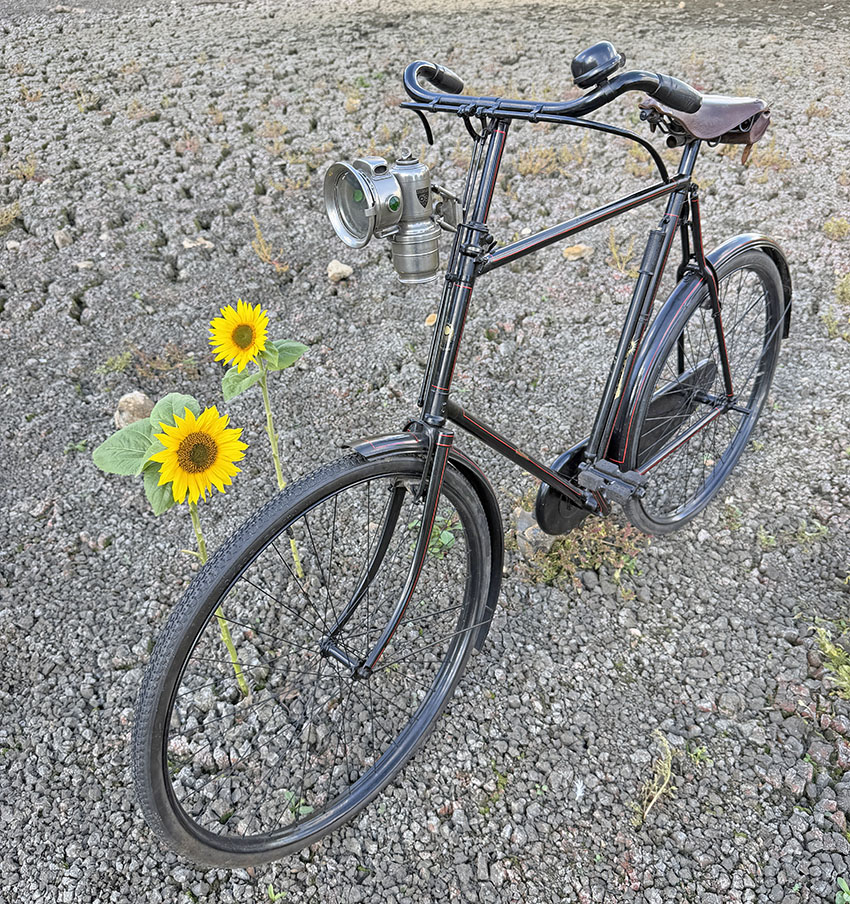
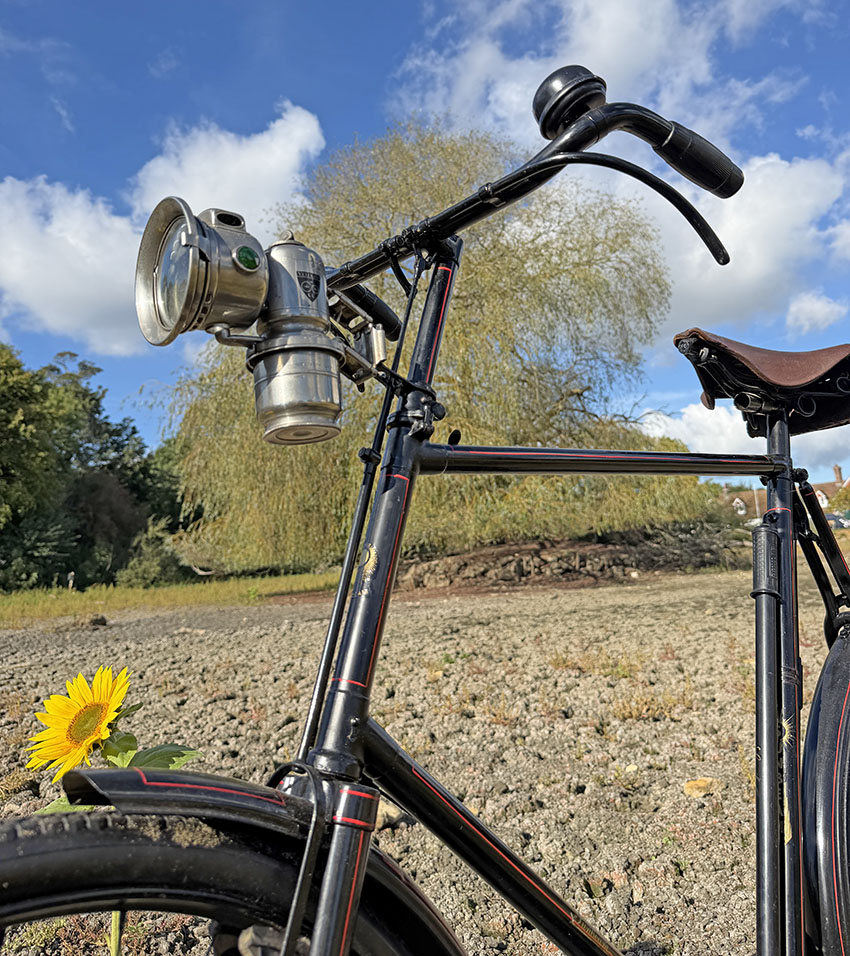
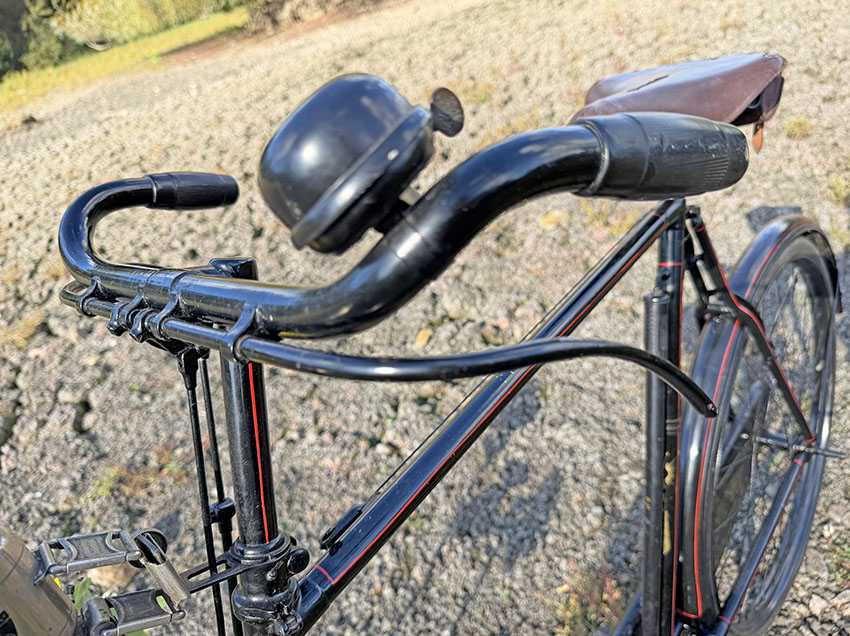
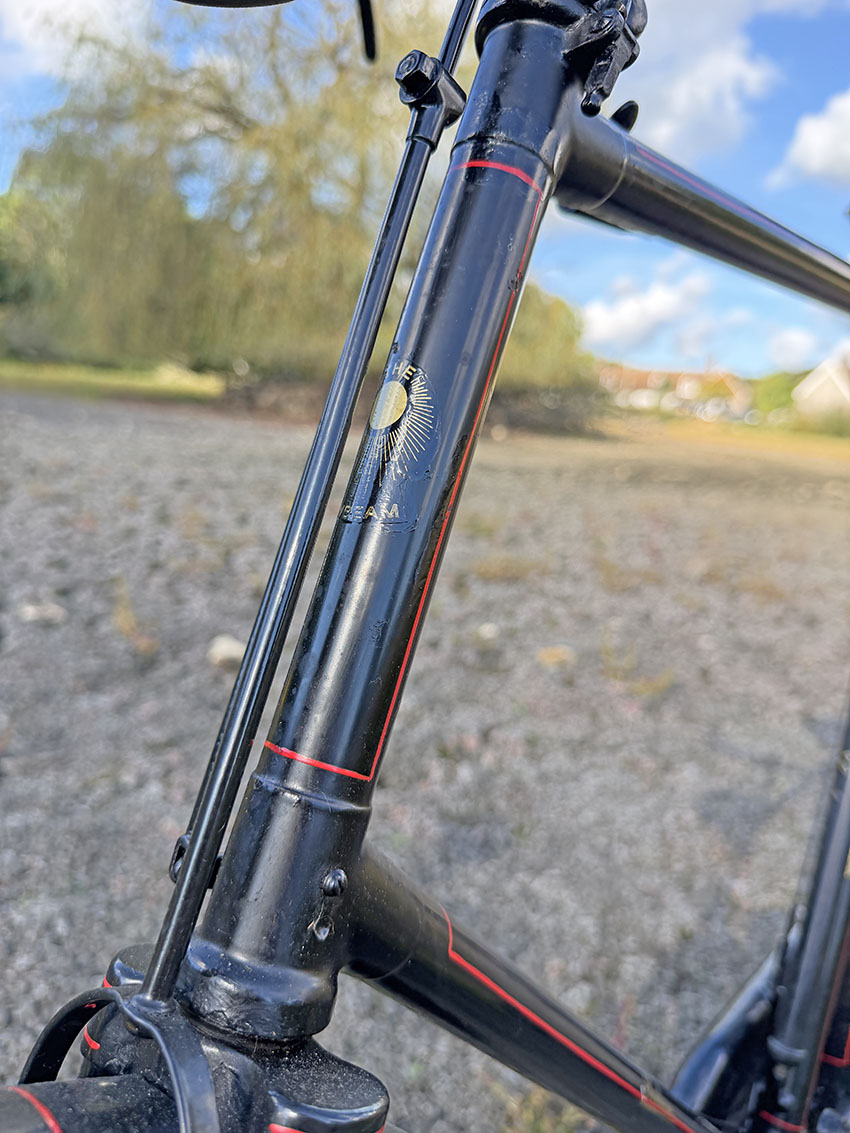
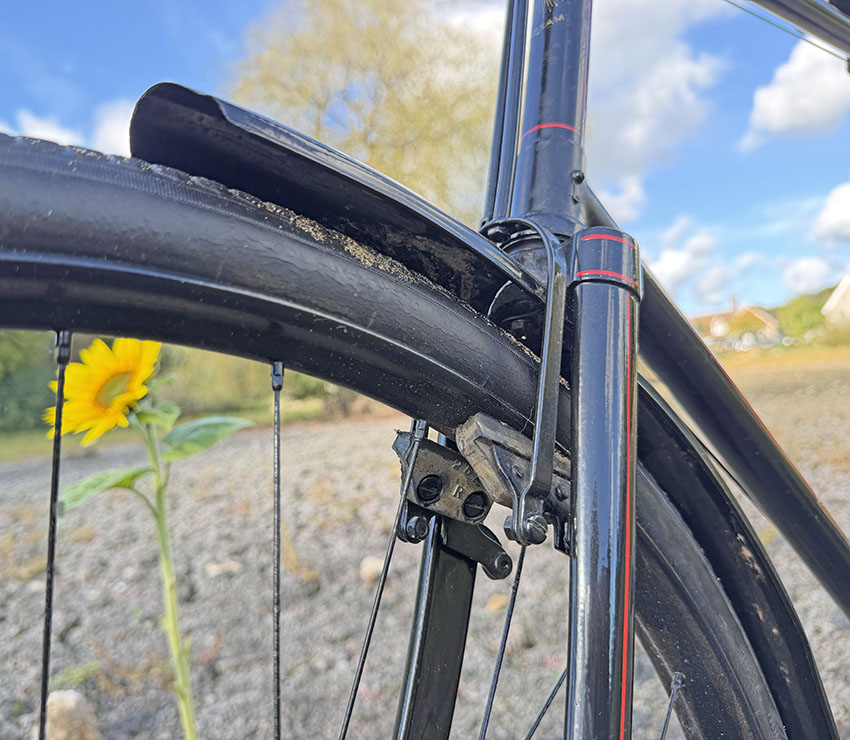
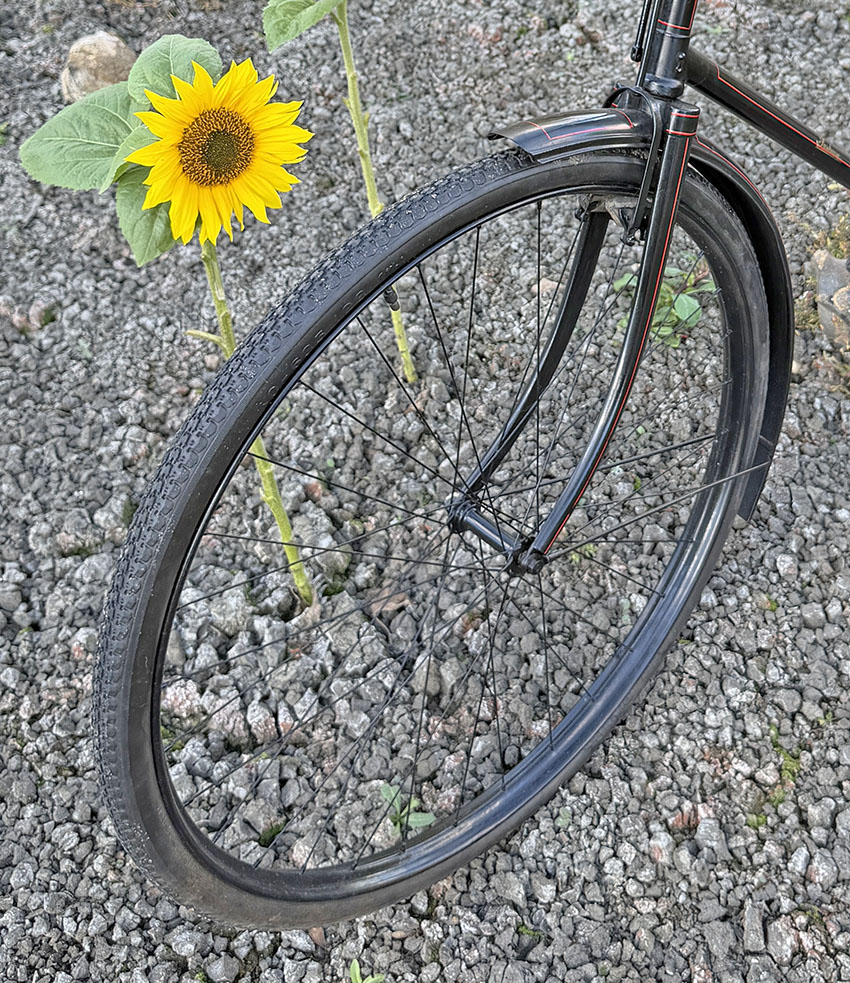
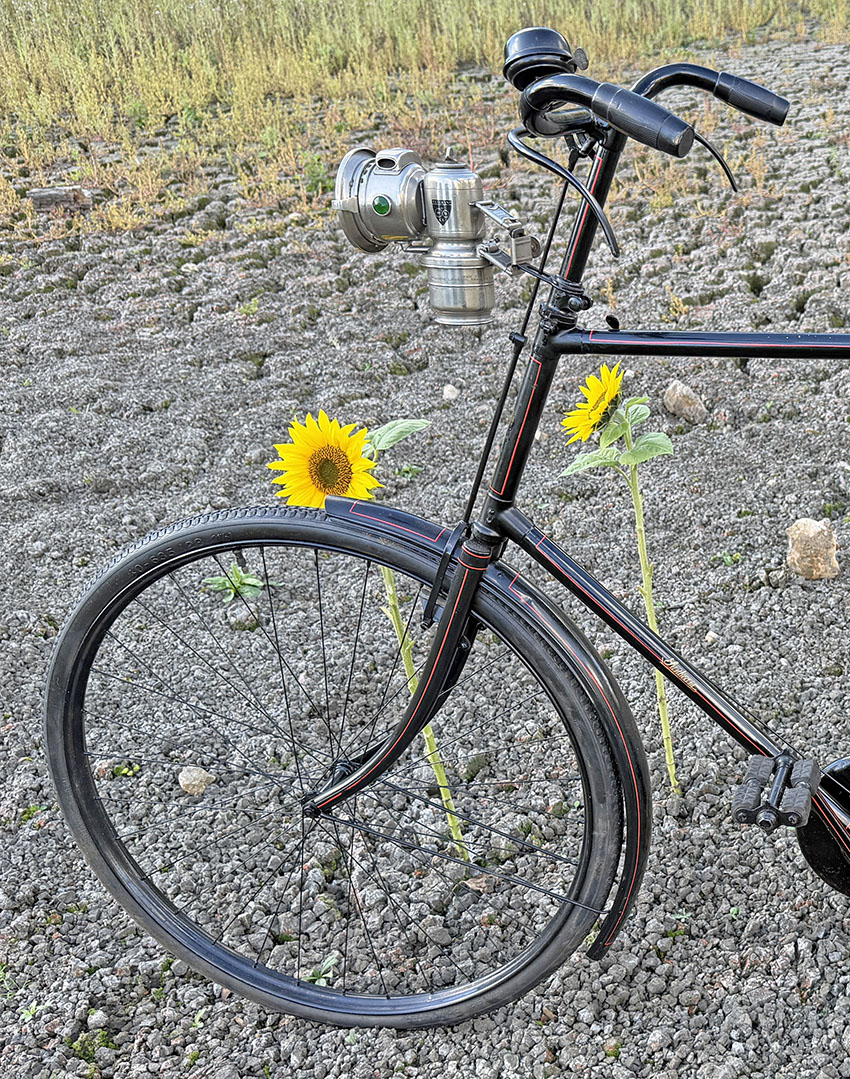
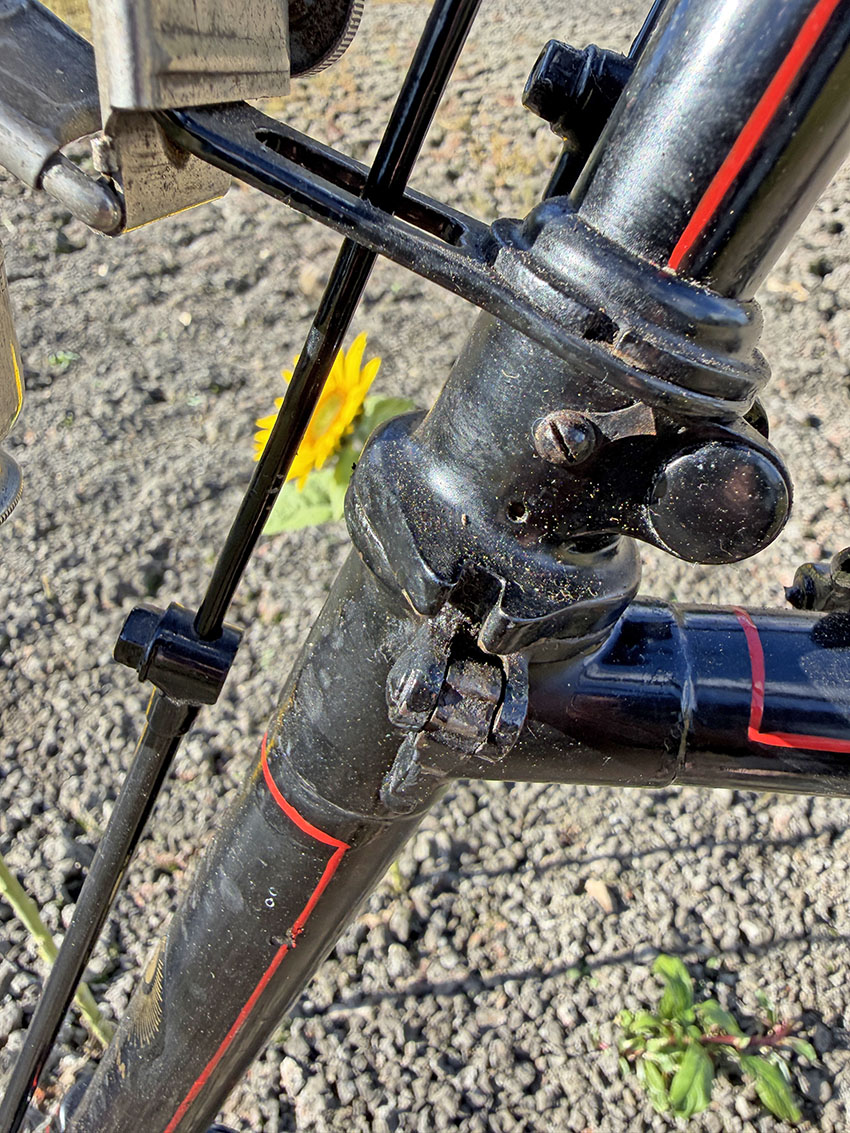
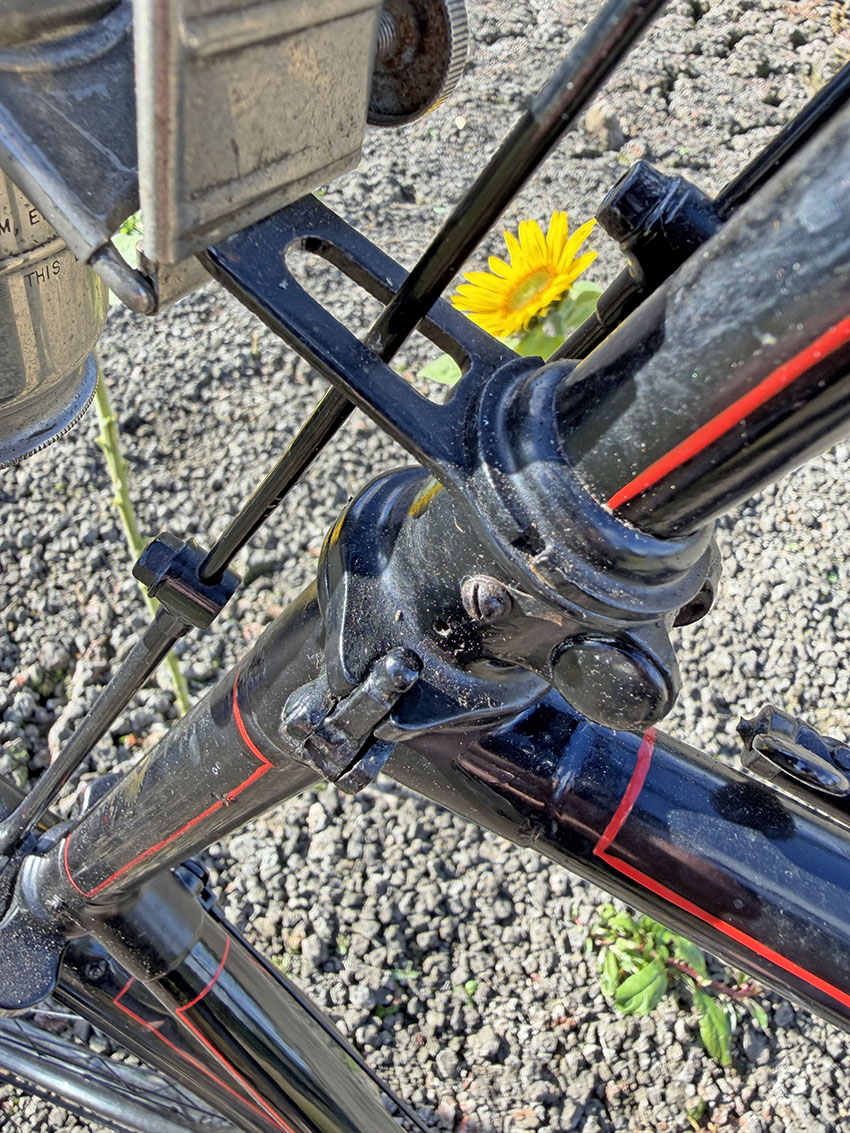
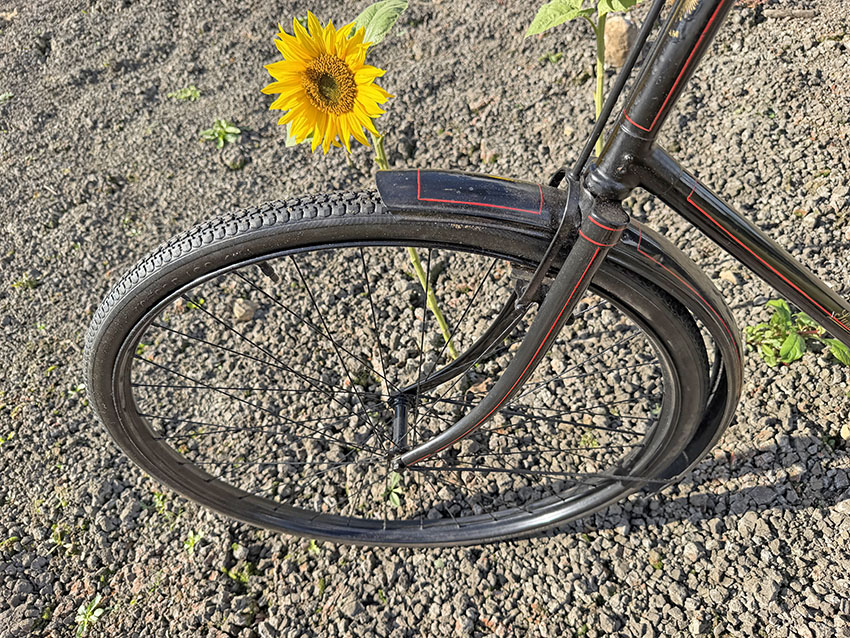
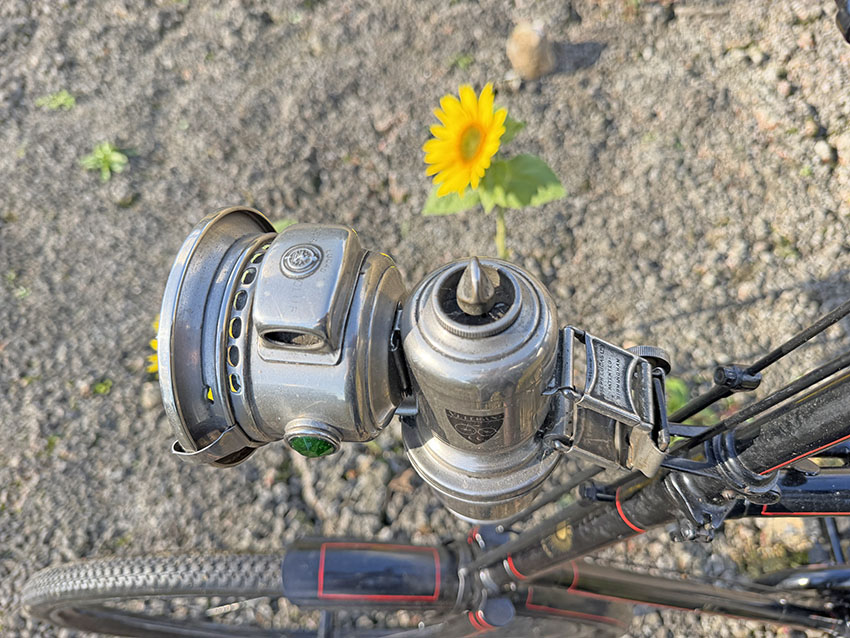
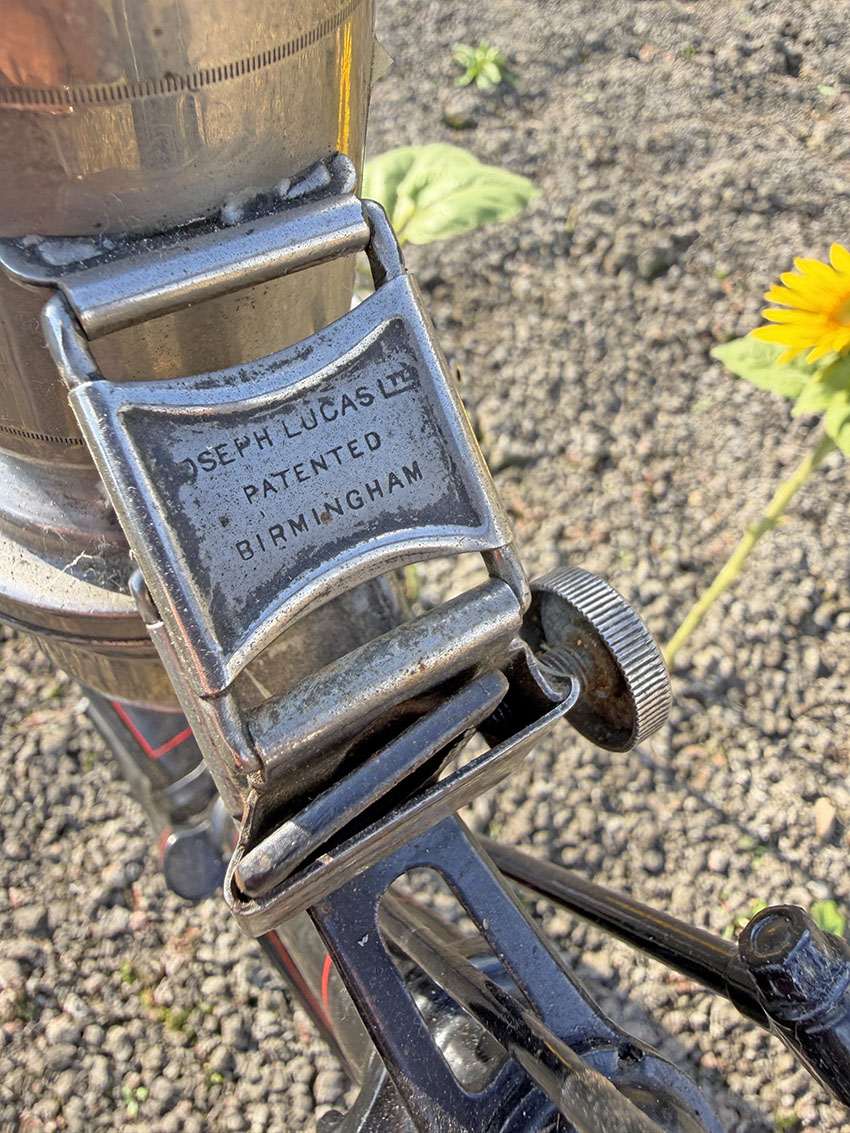
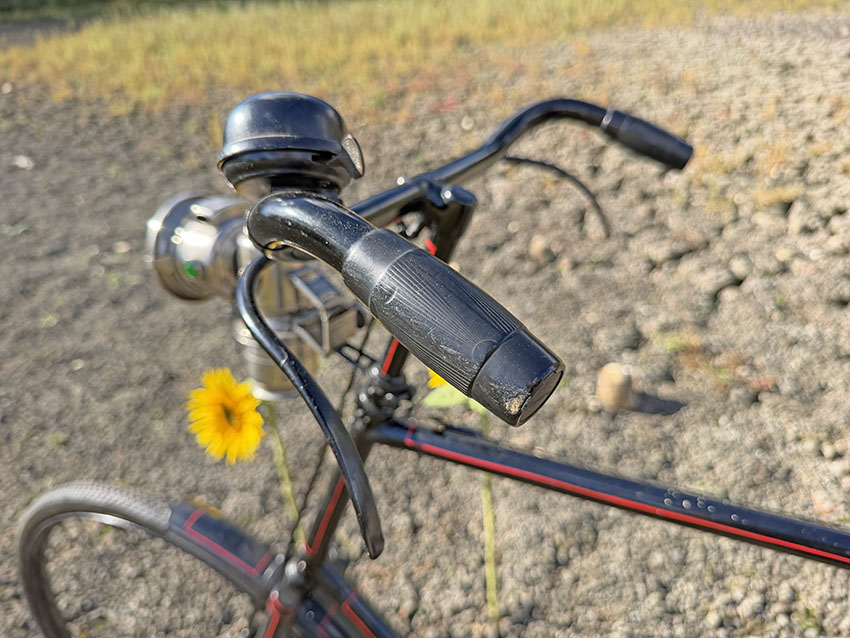
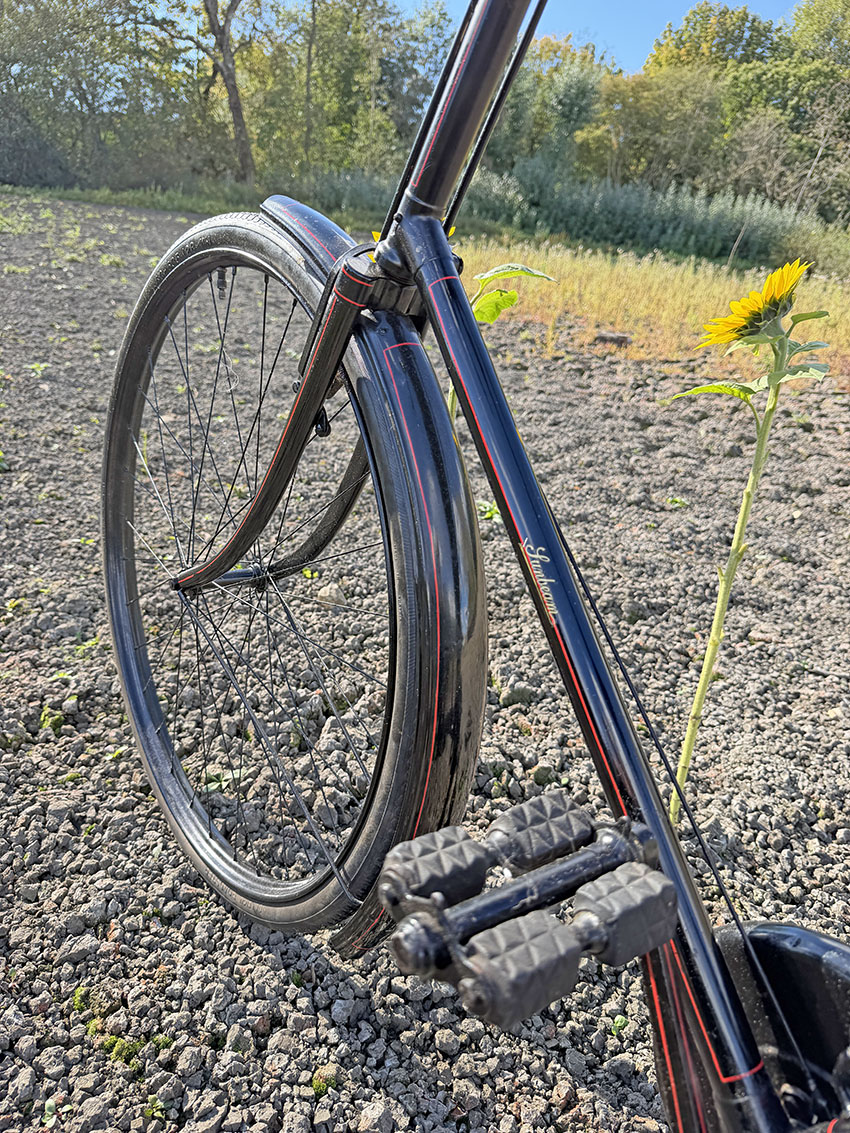
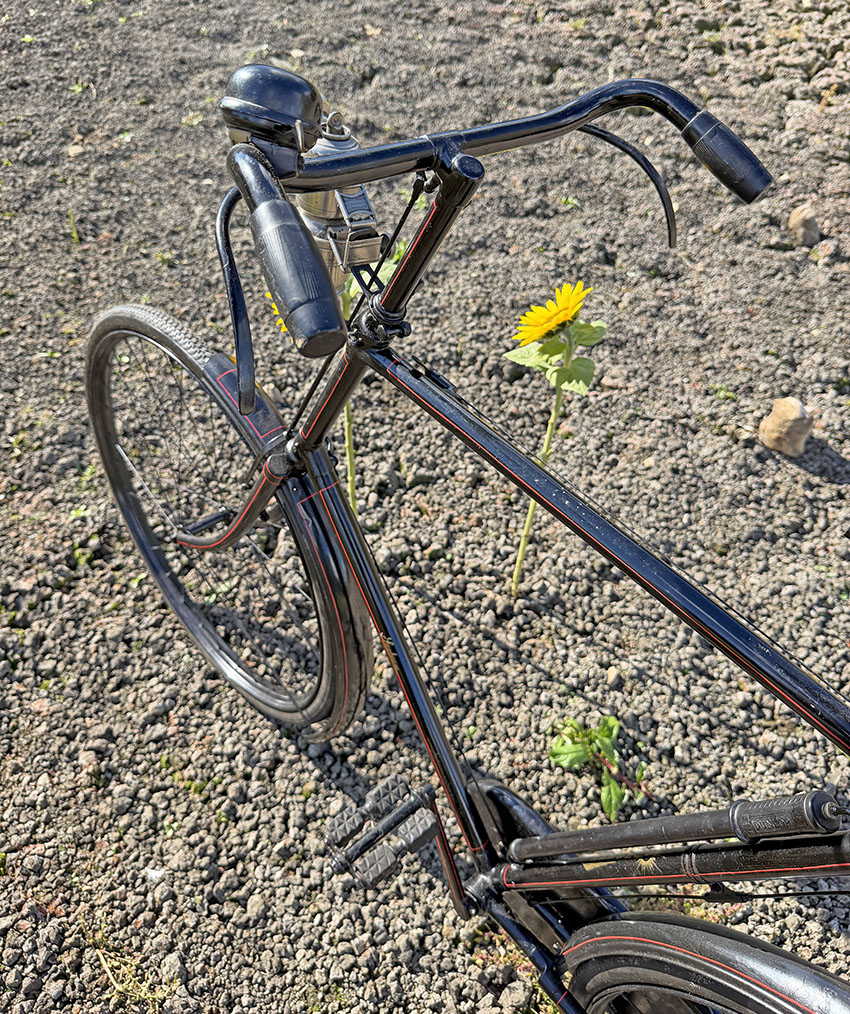
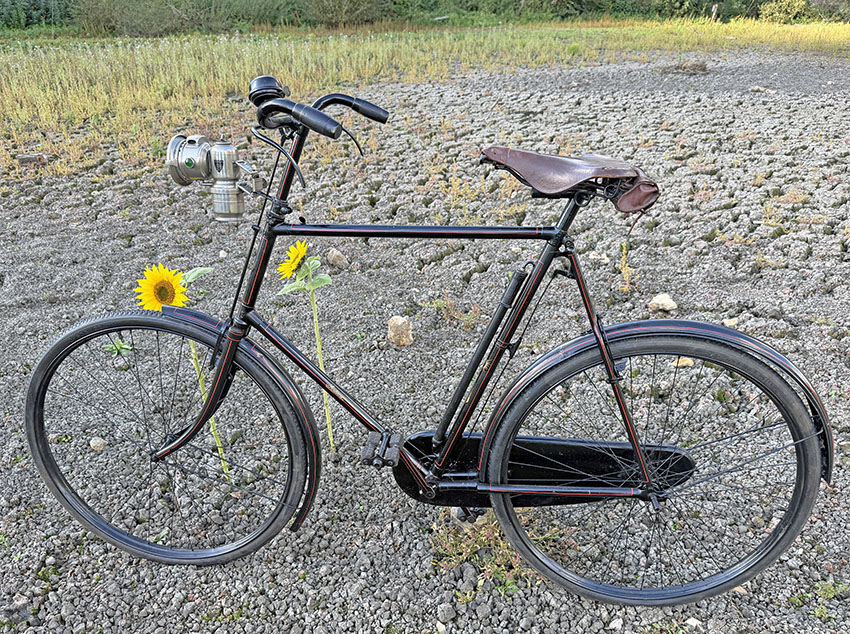
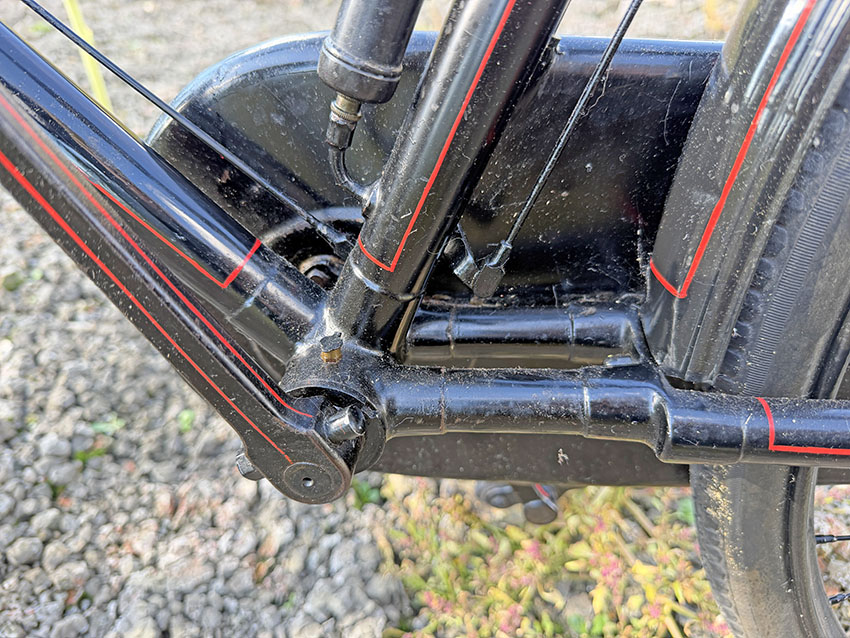
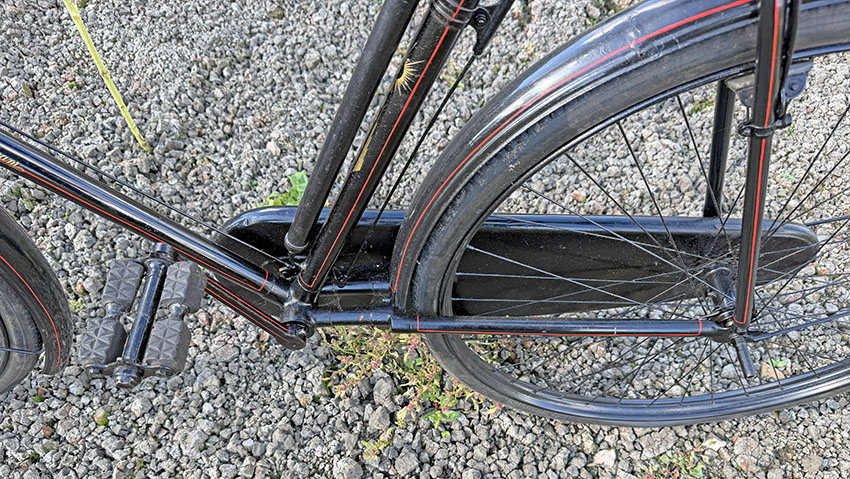
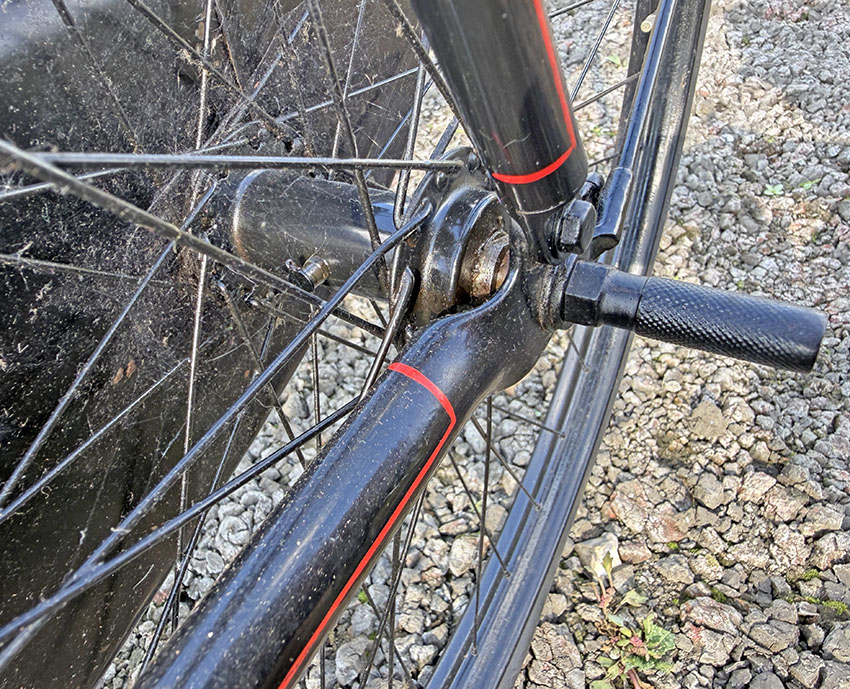
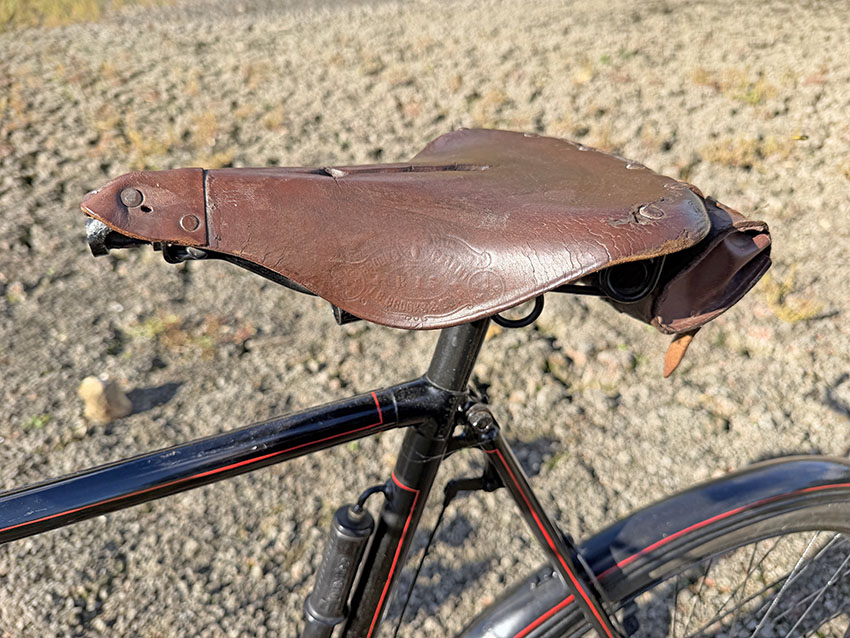
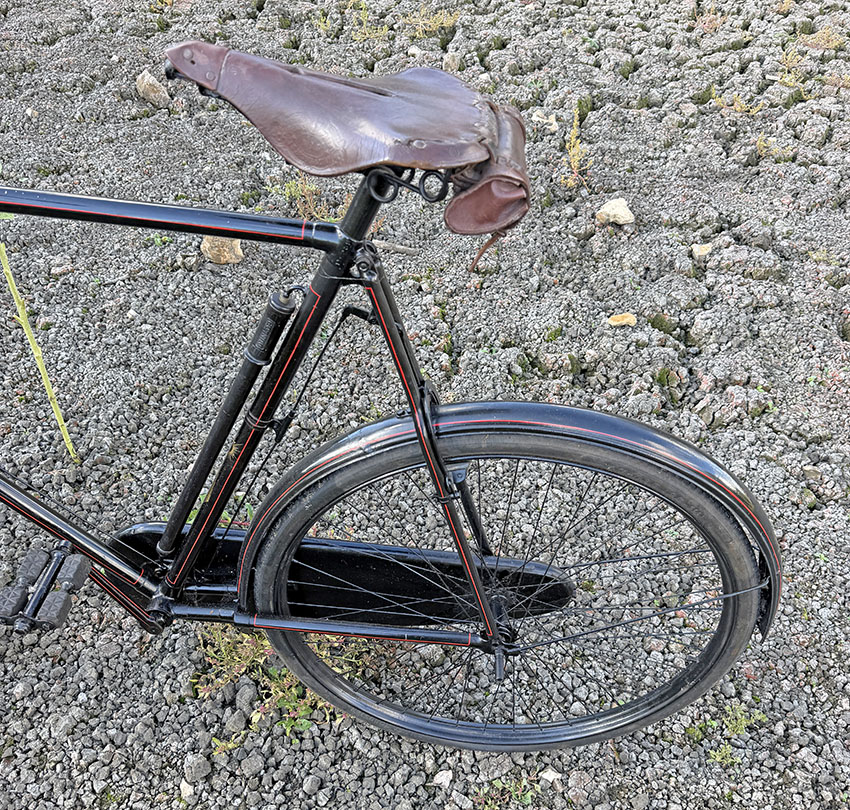
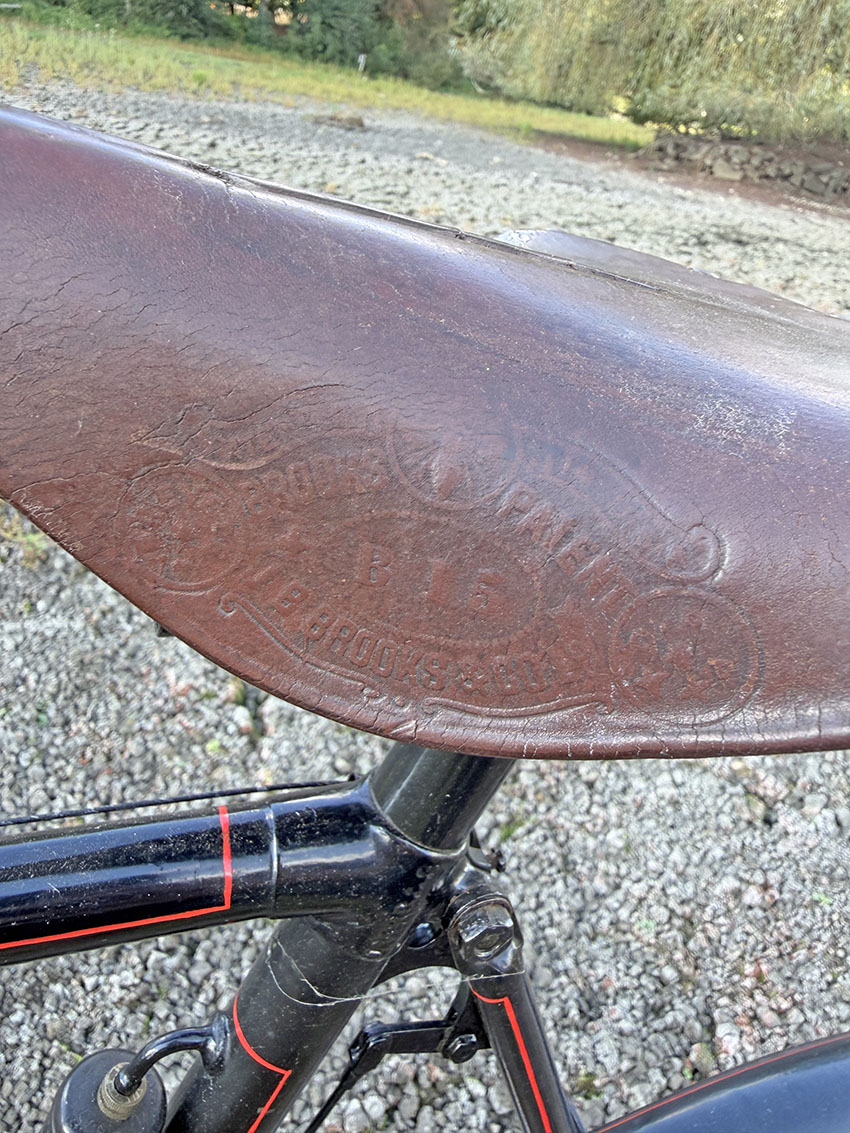
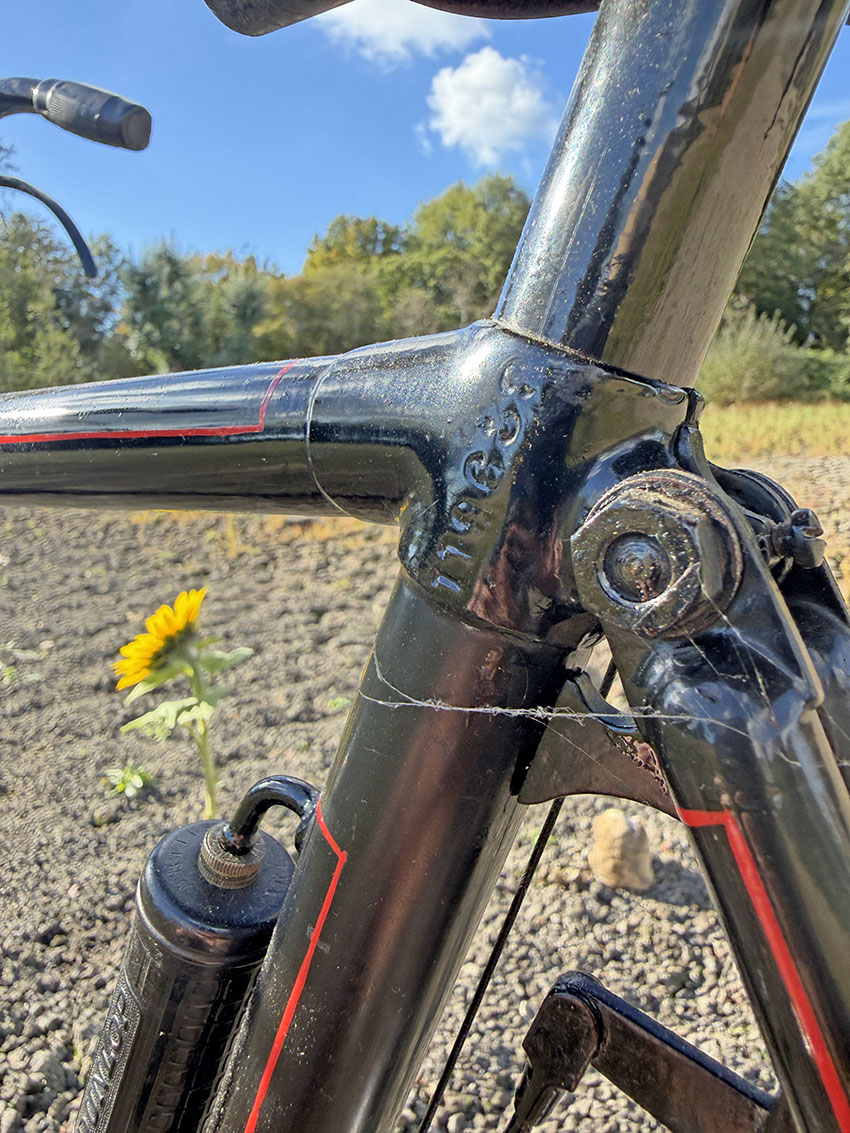
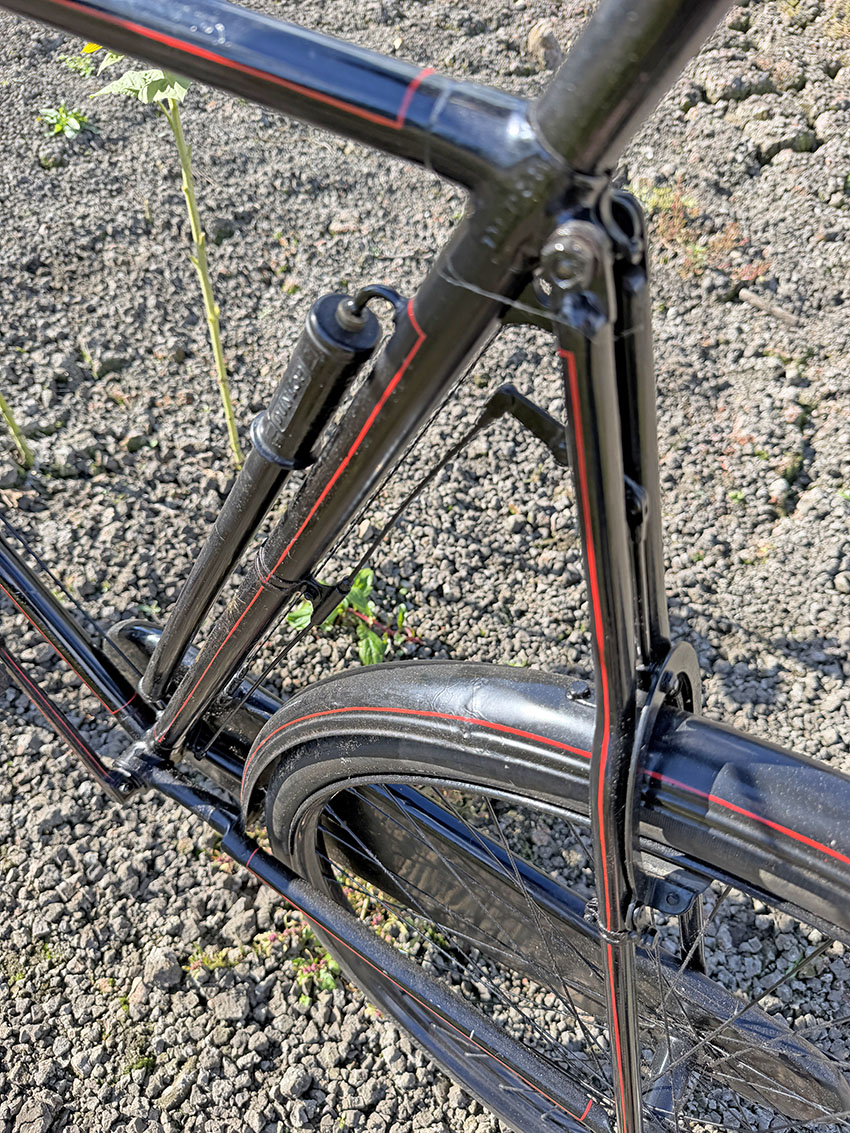
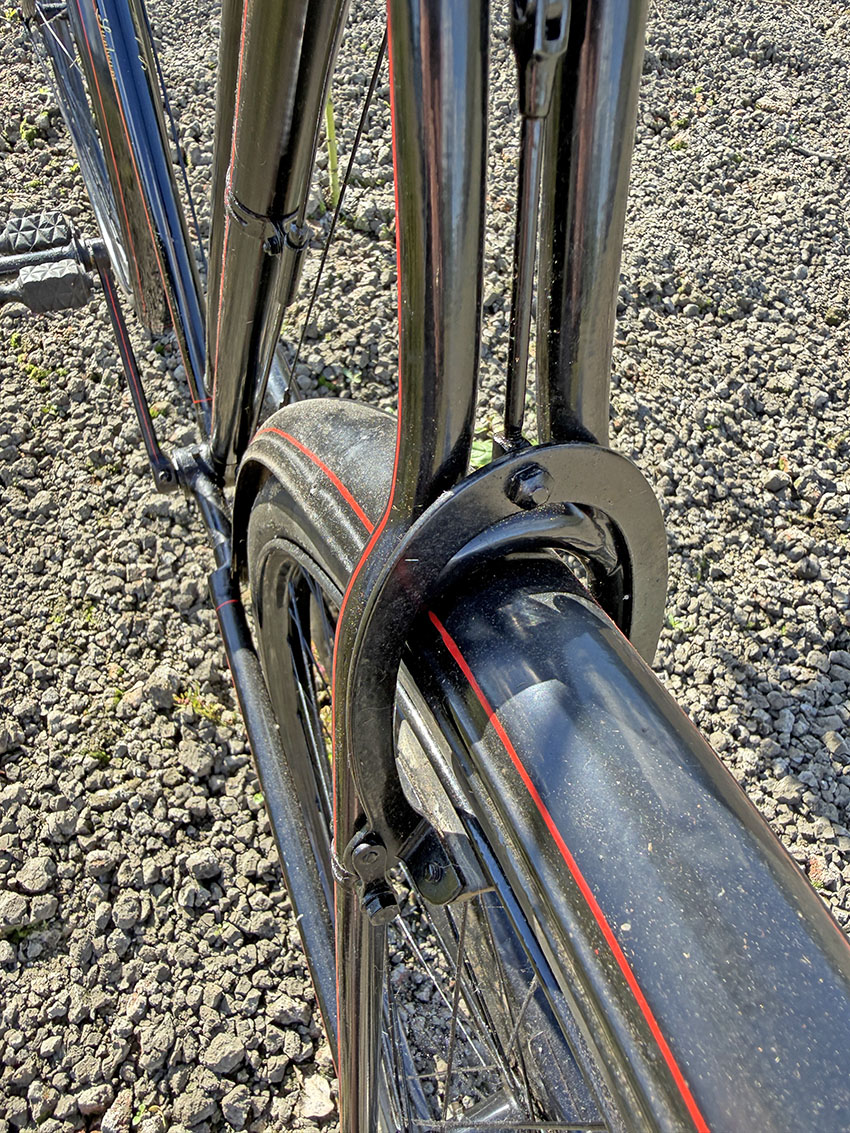
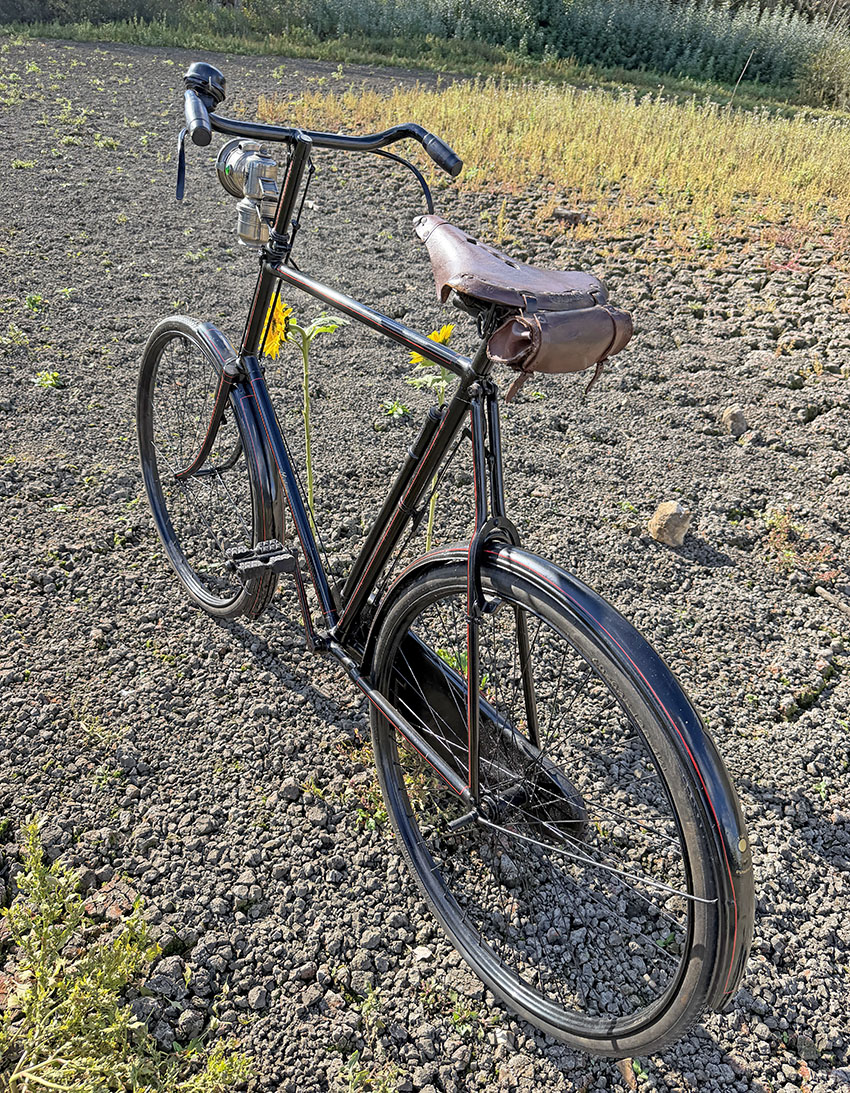
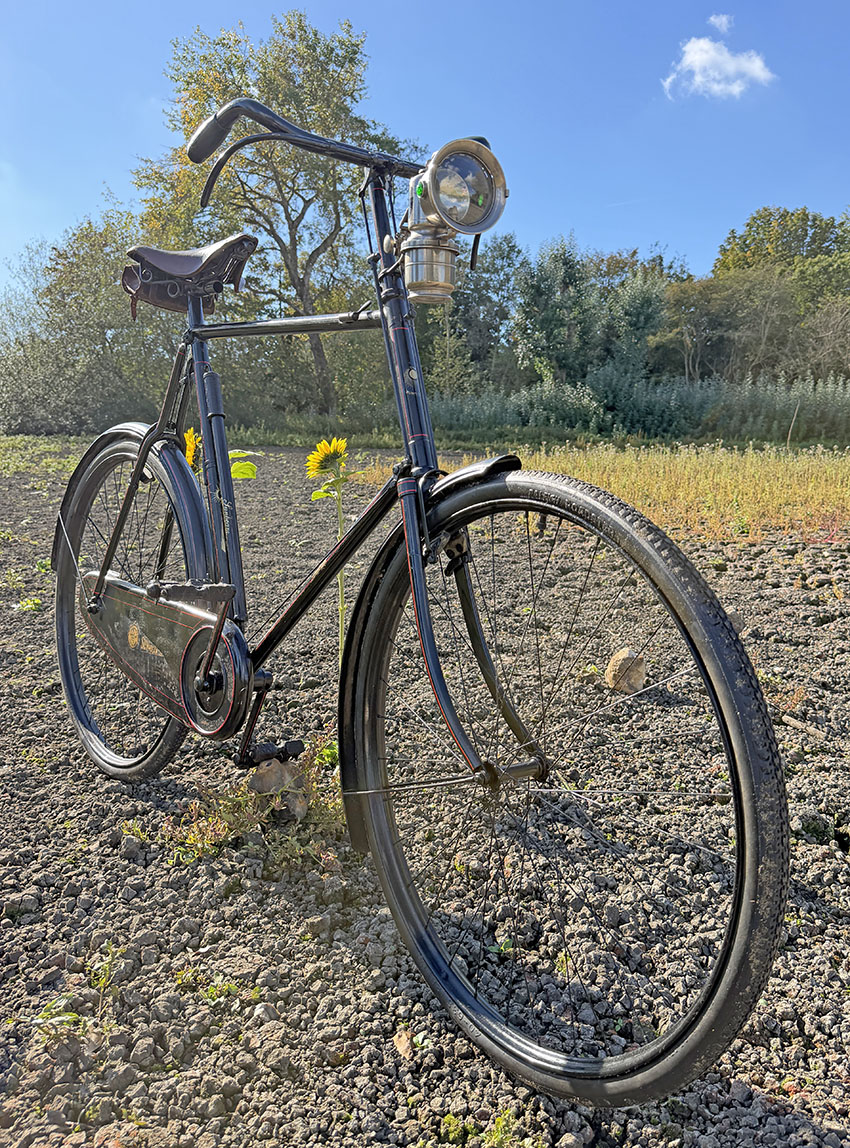
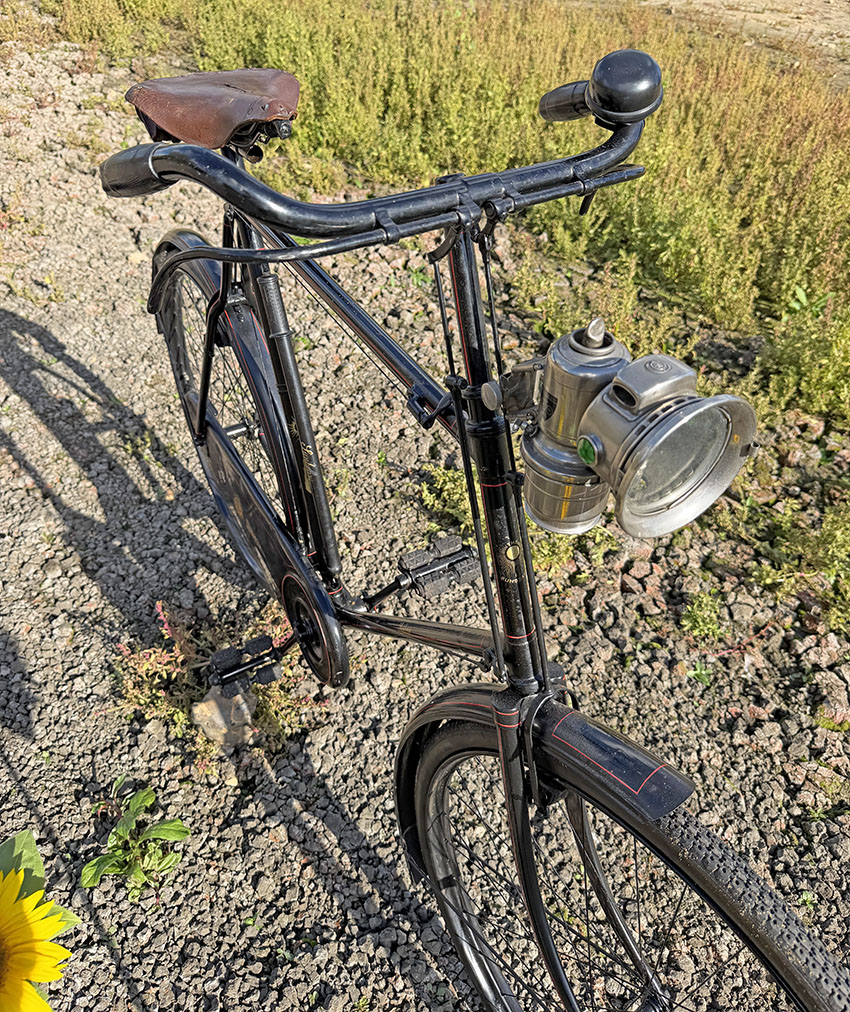
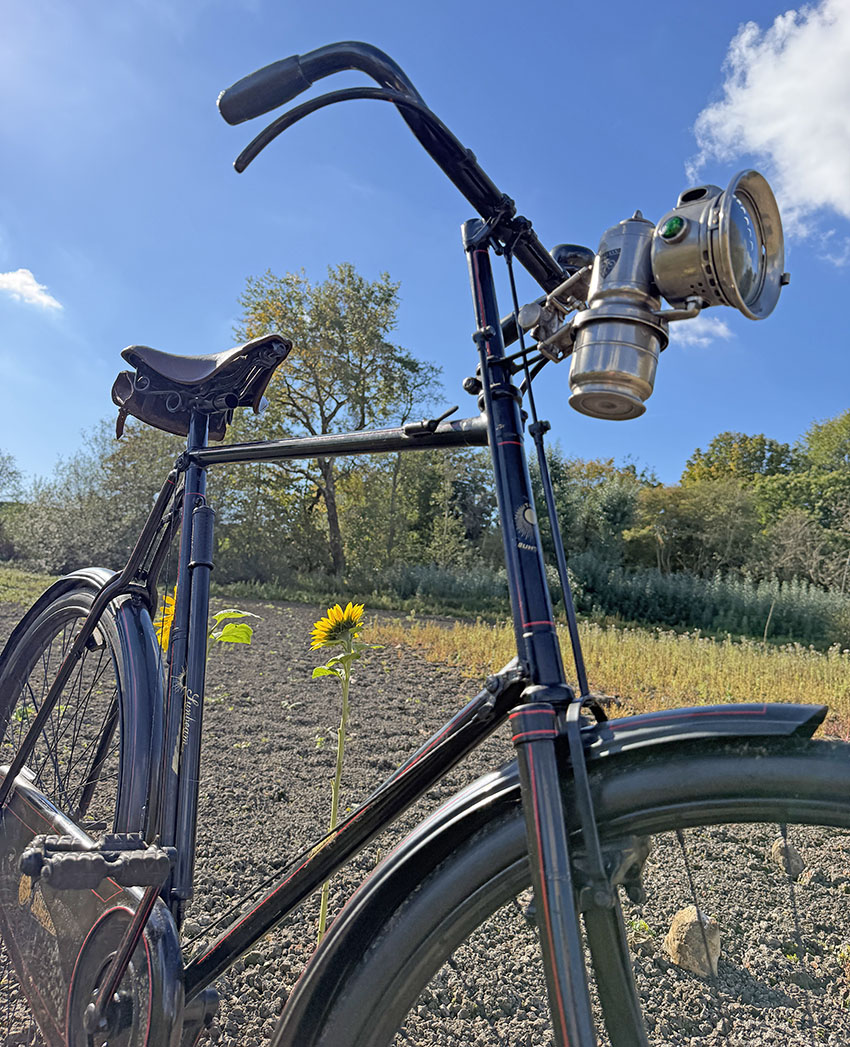
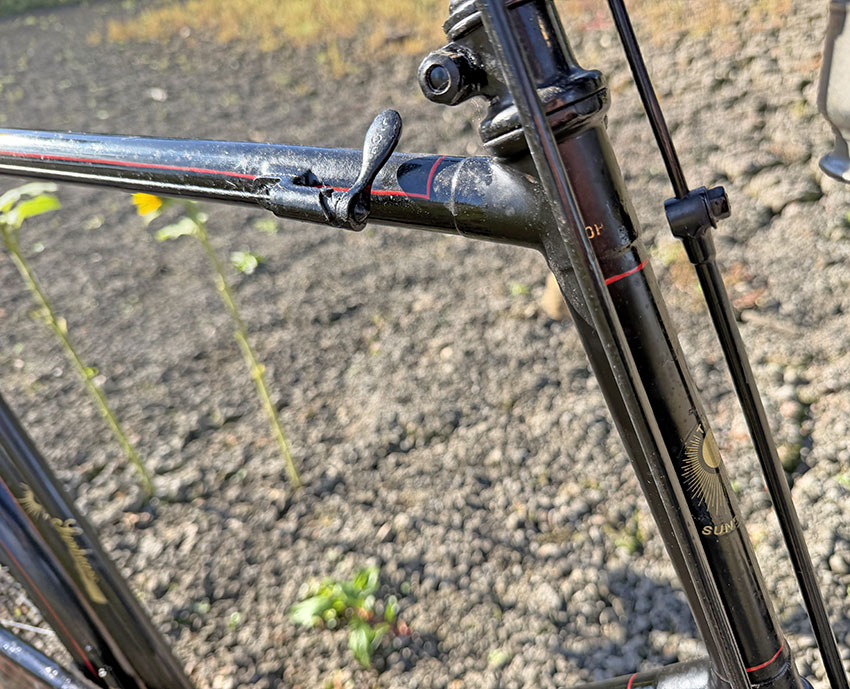
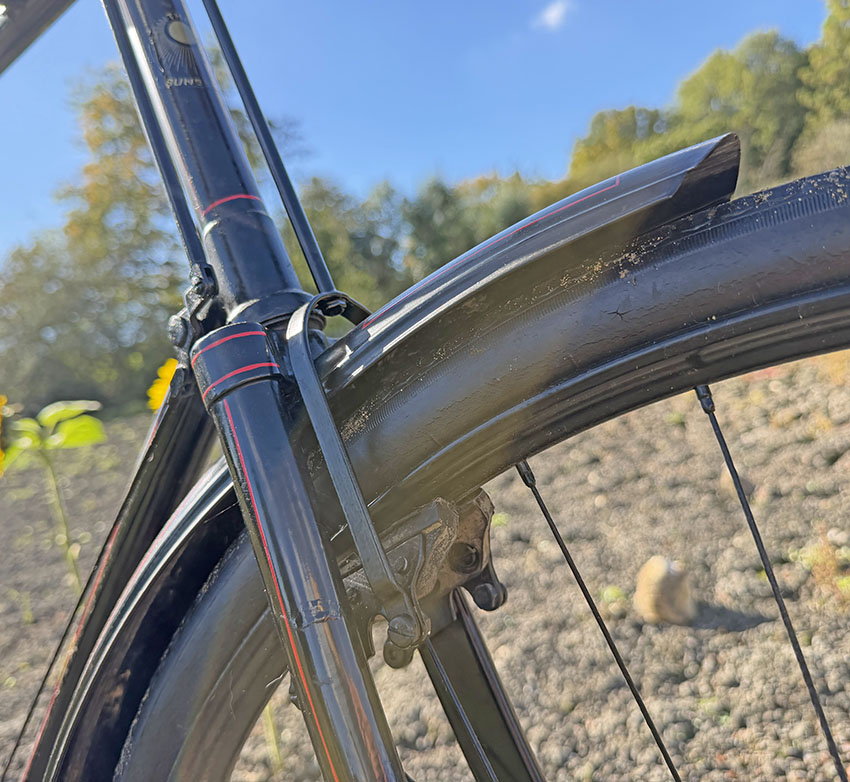
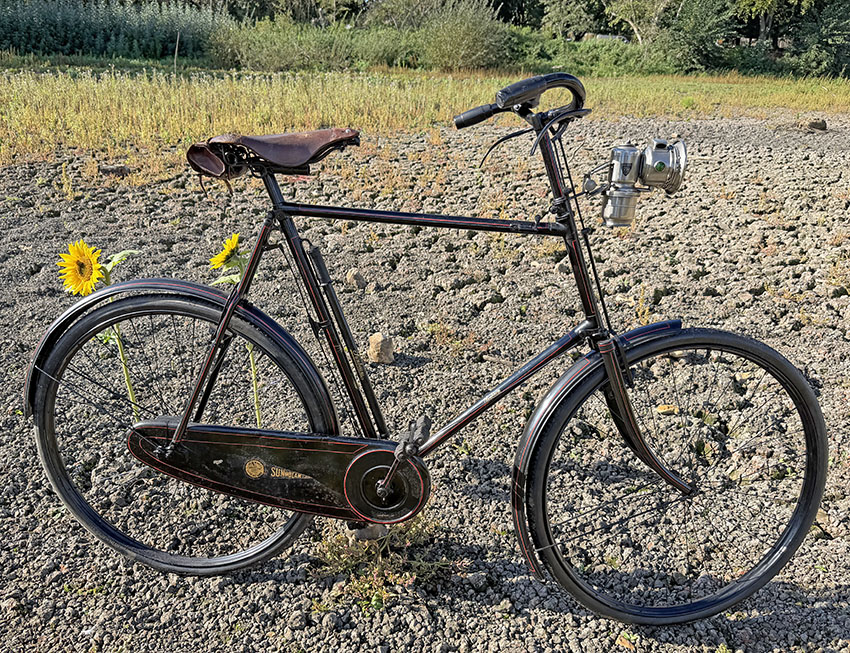
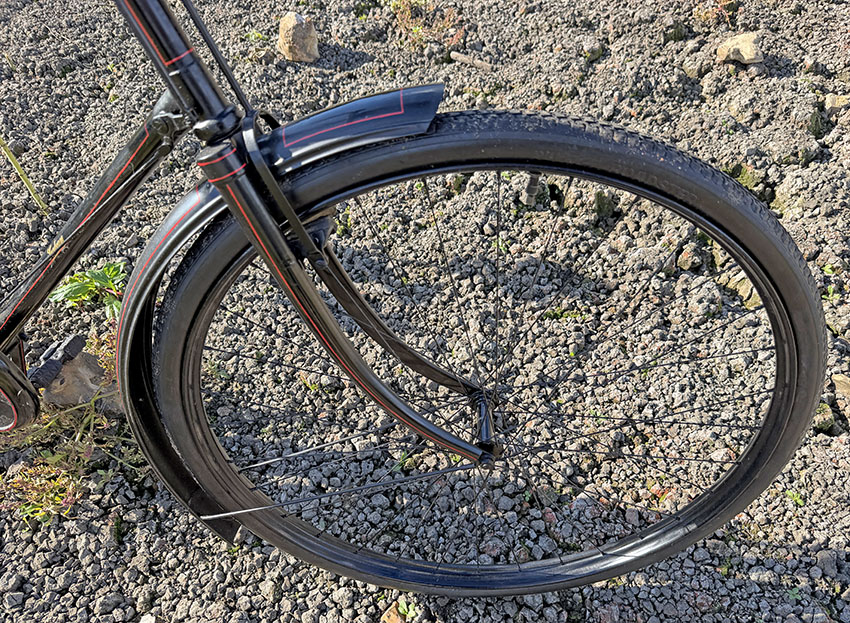
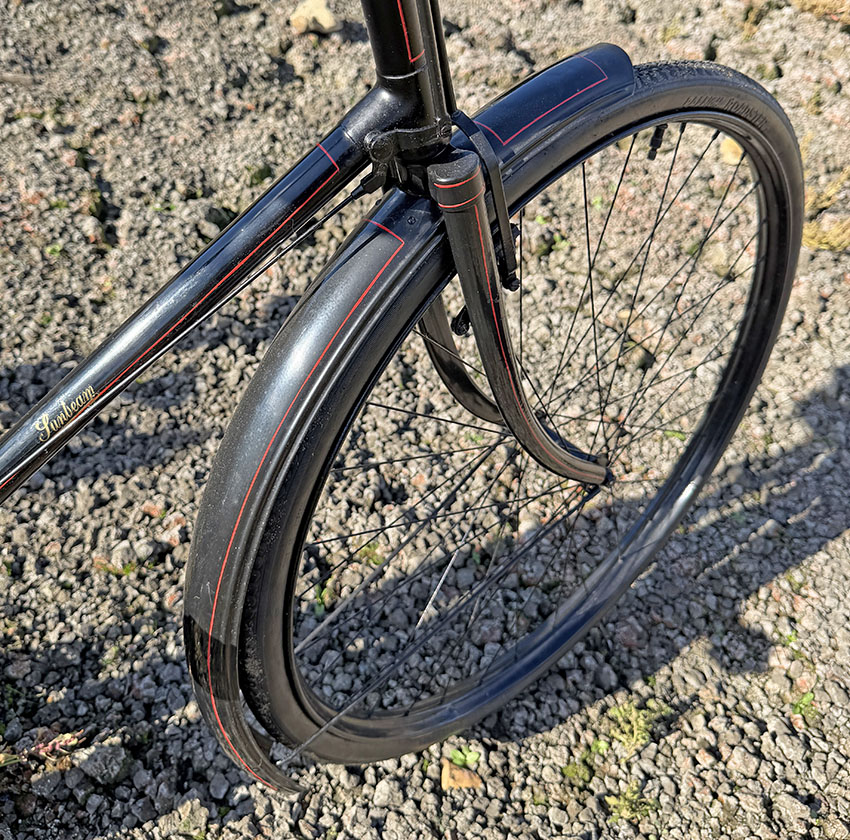
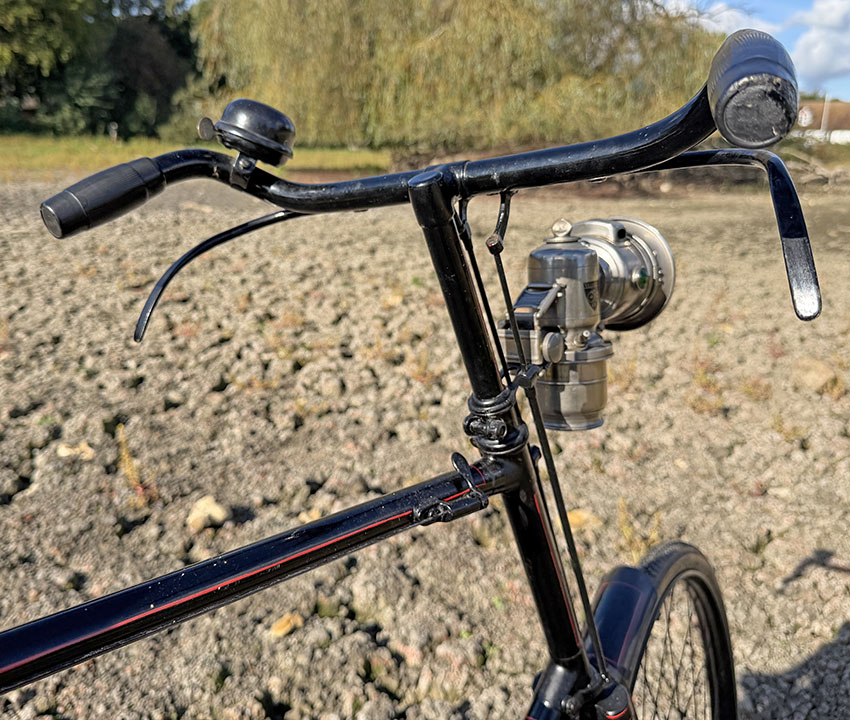
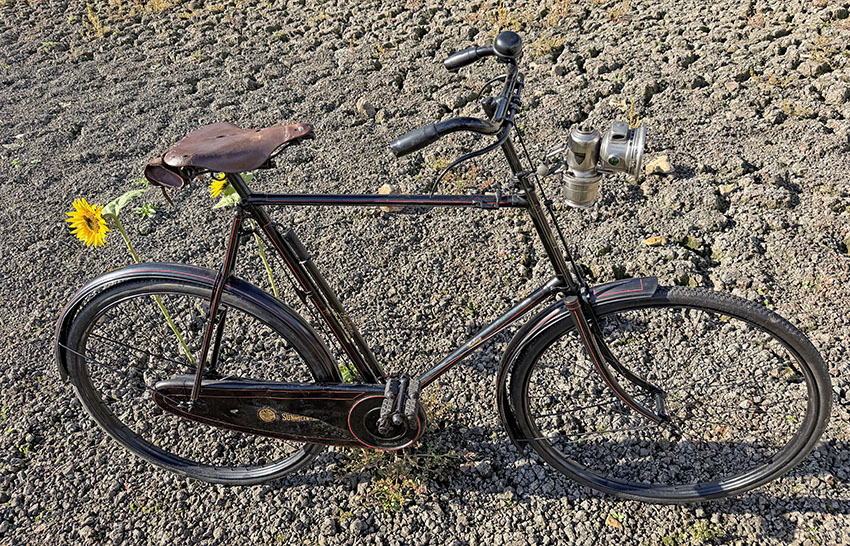
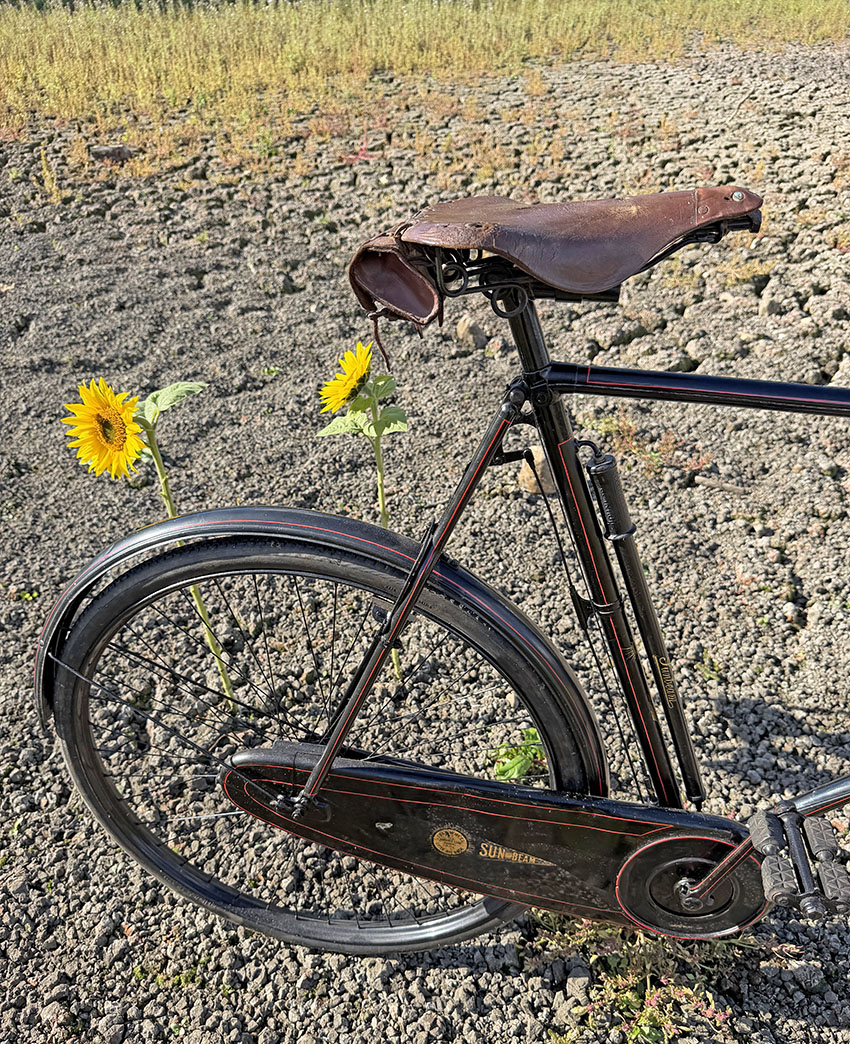
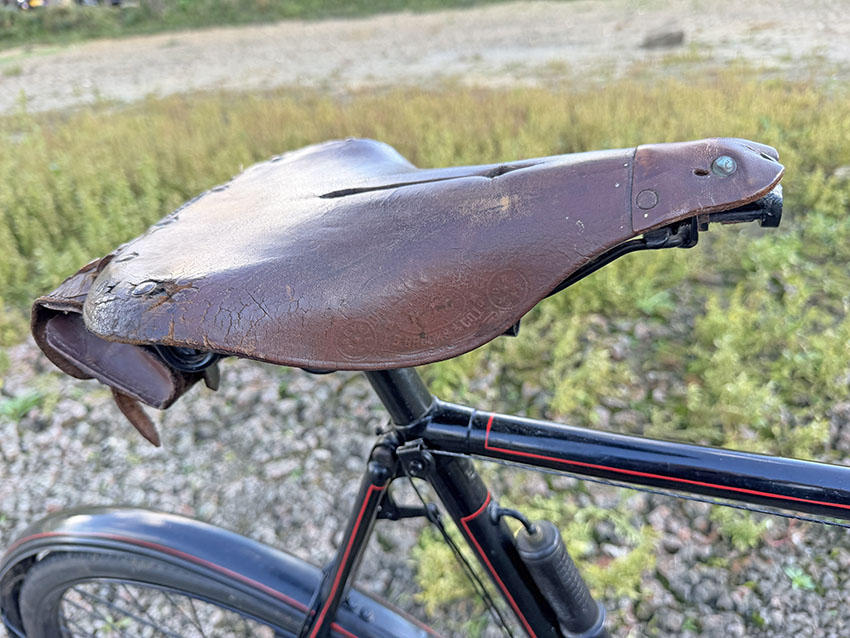
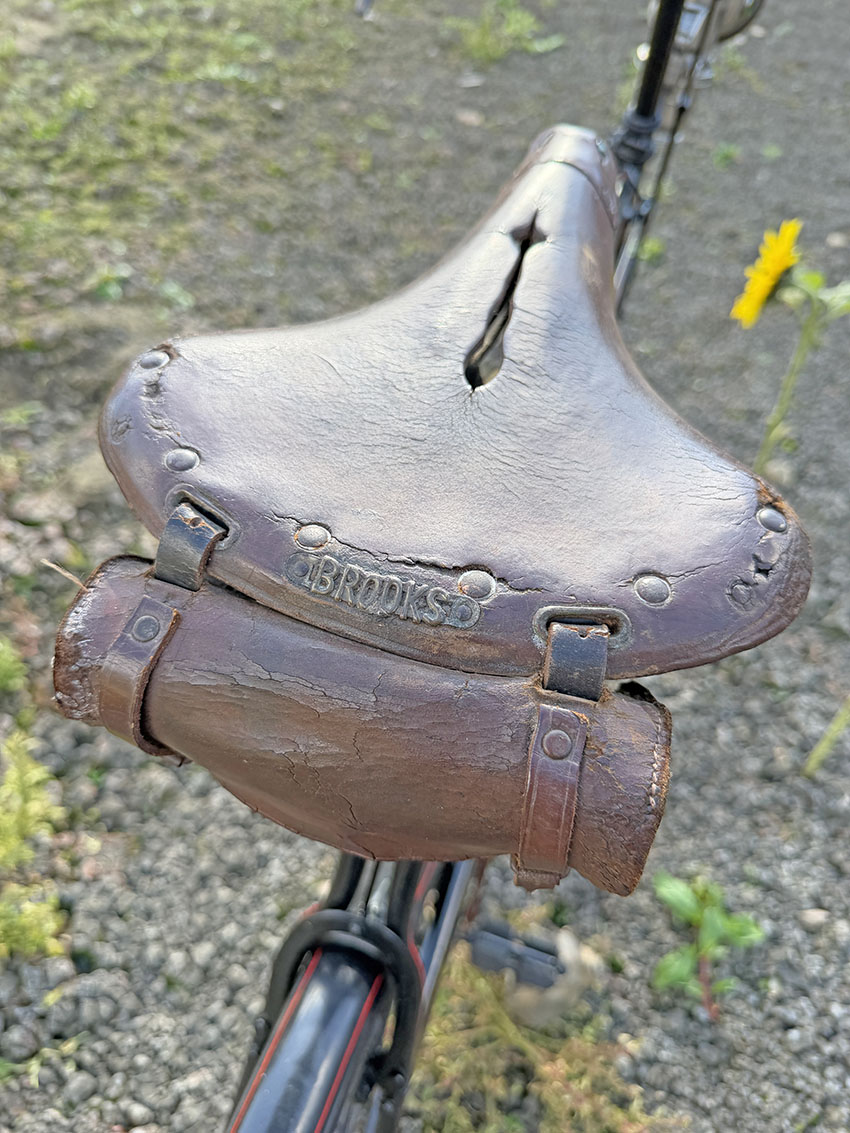
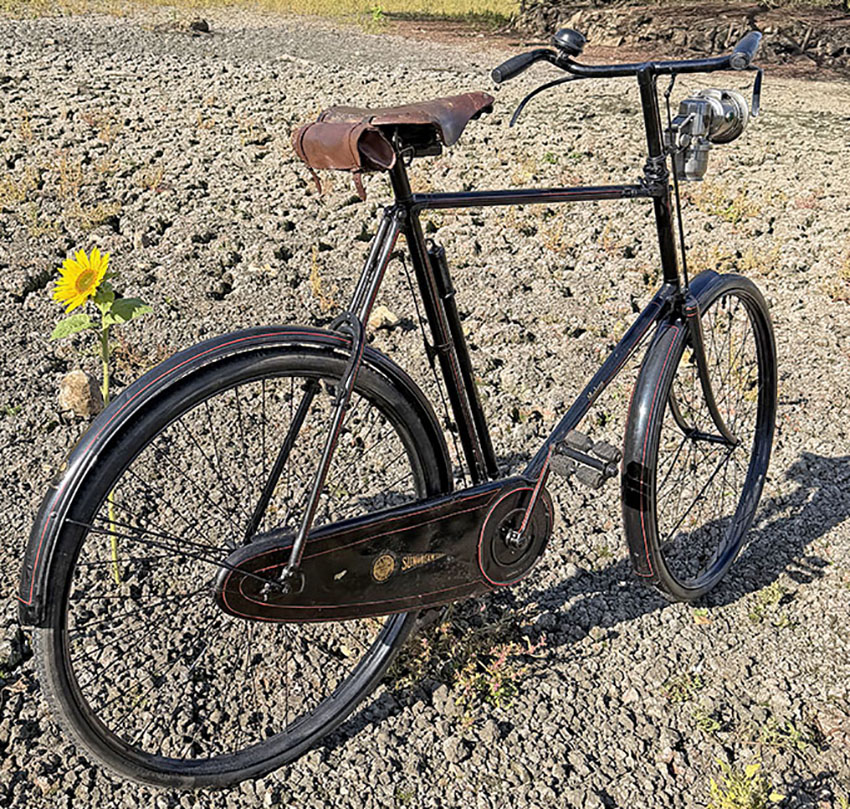
All-Black Sunbeams – the title denoting painted rather than plated parts – were the most expensive Sunbeams on offer. This All-Black Royal Sunbeam for Gentleman with two-speed epicyclic gear was £14 guineas. Sunbeam maintained that their patent epicyclic two-speed system was the equal of a Sturmey-Archer or BSA Three-speed. They were right!
Up to the Great War, Britain supplied most of the world with quality bicycles (America, France and Germany made their own cheaper bicycles), and these Sunbeams were among the most expensive bicycles on offer. Though price was less important than quality at this level of the market, the two-speed Royal at 14 guineas competed directly with the top three-speeds and took a lot of business from Sunbeam’s competitors. A top-of-the-range Elswick was 15 guineas, Raleigh Superbe X Frame 15 guineas, Beeston Humber £15 12/- 6d, Ariel (without gears) £15, Dursley-Pedersen £12 7/- 6d, Triumph 10 guineas, Royal Enfield Duplex Girder £9 17/- 6d, BSA £9 15/- and Rudge-Whitworth £9 12/- 7d. Centaur had gone out of business by now, but their 1909 Resilient was 17 guineas and their 1911 Lightweight £9 15/-.
The first few years of the Great War were the last years that company founder John Marston was directly involved with bicycle production. As explained by the book Sunbeam Cycles: The Story from the Catalogues: ‘By 1908, the firm was in a strong position …A 2 3/4hp gentleman’s motor-bicycle appeared for the first time in the 1913 cycle catalogue, nine years after John Marston’s decision that there should be none. But in his eyes the Sunbeam bicycles and tricycles were by then as near perfection as could be obtained – the last design patent had been granted in 1910 – and perhaps design work at Sunbeamland had shifted to the motorcycle, as had happened with other famous cycle-firms such as BSA, Centaur, Humber, James, New Hudson, New Imperial, Premier, Quadrant, Rudge-Whitworth, Singer, Sparkbrook and Triumph.’ In 1916, at the age of eighty, John Marston relinquished daily control of the factory, and died two years later. The company was sold to a consortium soon after.

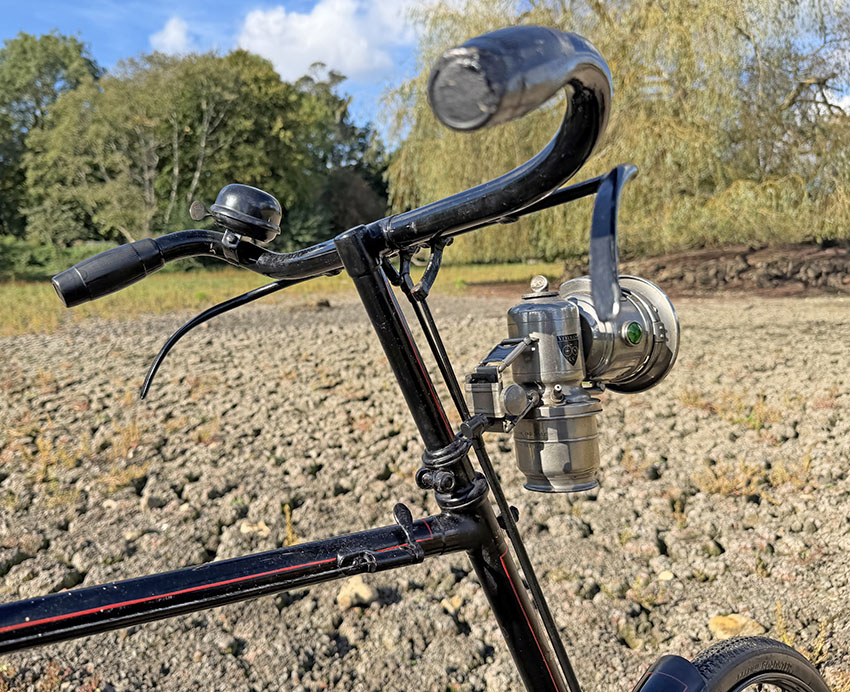
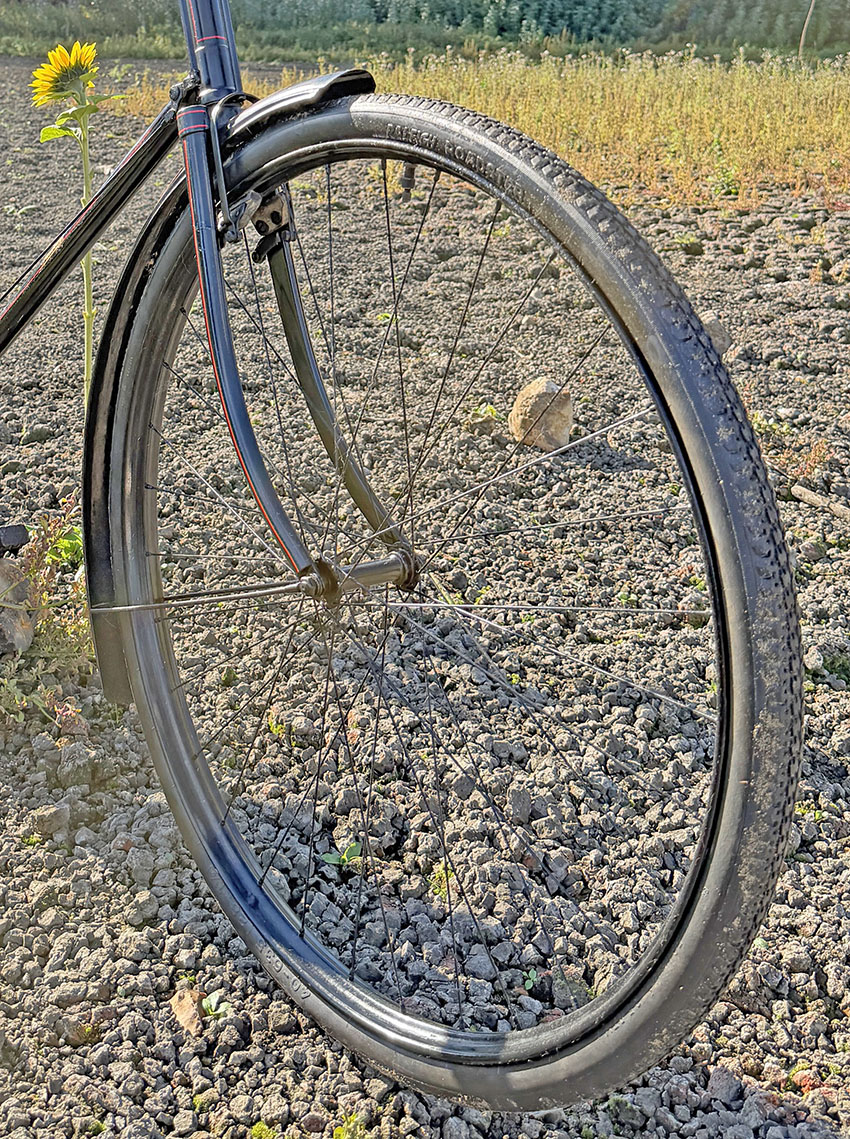
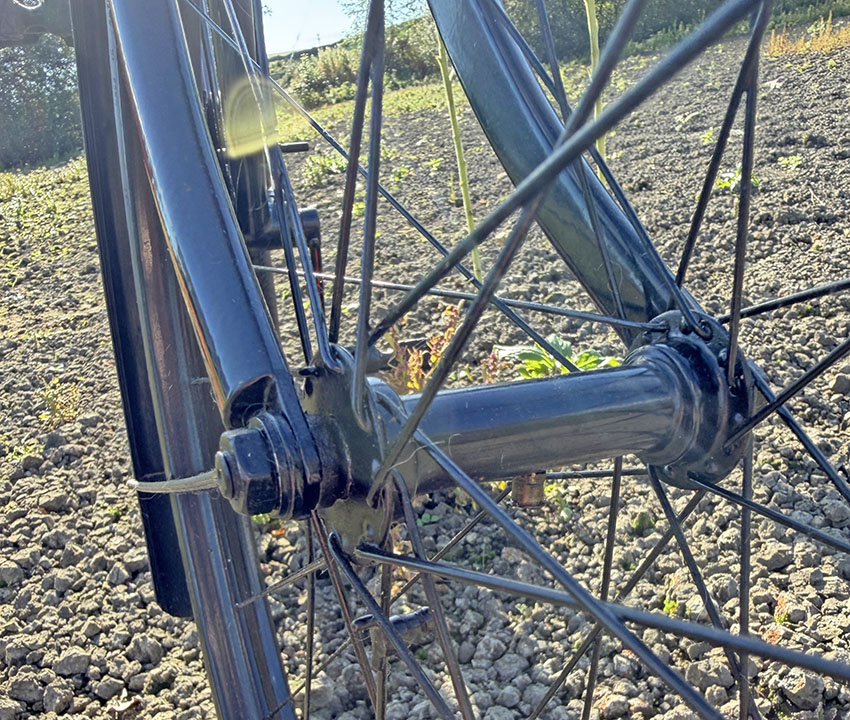
1912 All-Black Royal Sunbeam for Gentlemen
Two-Speed Epicyclic Gear
26″ Frame
28″ Wheels
Frame No 119889
Originally owned by Rear Admiral Hubert Edward Dannreuther, DSO
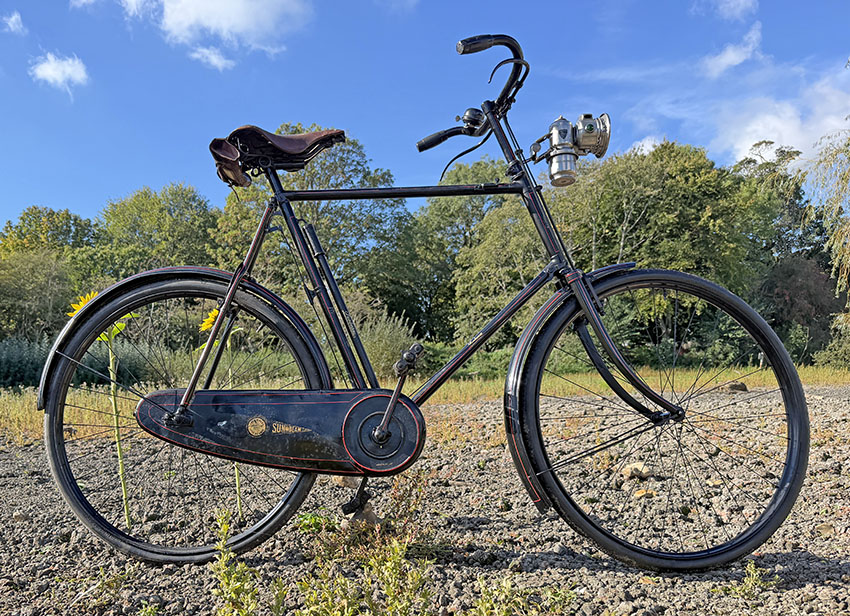
This All-Black Royal Sunbeam is an older restoration still in good condition. It was originally purchased by Hubert Edward Dannreuther, in November, 1912. He had a distinguished naval career, with a lucky escape from his ship, HMS Invincible after it was hit and sunk in the Battle of Jutland. He was one of six survivors.


HUBERT EDWARD DANNREUTHER
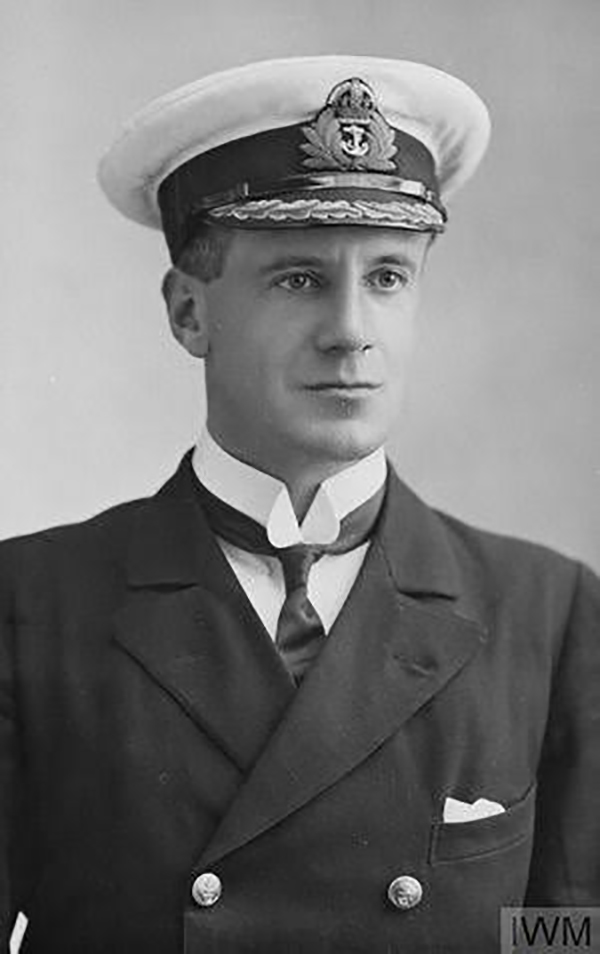
During World War One, he served as gunnery officer of HMS Invincible during the Battle of Heligoland Bight and the Battle of the Falklands Islands. For this he was Mentioned in dispatchs and promoted to commander.
At the Battle of Jutland on 31 May 1916, HMS Invincible was the flagship of the 3rd Battlecruiser Squadron. She was hit in her “Q” turret by a salvo from SMS Derfflinger which blew the roof off the turret over the side. It was either this shell hit which caused a flash down the magazine or a second shell in the same salvo that penetrated the armour and exploded in the magazine, causing a massive explosion. The ship broke in two and sank with the loss of all but six of her crew of 1,021. Dannreuther was amongst those few rescued. After 20 minutes in the freezing waters of the North Sea, Dannreuther was rescued by the destroyer HMS Badger.
For his service at Jutland he was mentioned in dispatches and awarded the DSO and the Russian Order of St Anna, 3rd Class, with Swords. Upon his return to Britain he was awarded the privilege of an audience at Buckingham Palace with King George V and Queen Mary. He eventually became a Rear Admiral, and died in Hastings in 1977.
1915 SUNBEAM CATALOGUE


THE ROYAL SUNBEAM (PLATED PARTS)
This catalogue entry is for the Royal Sunbeam, rather than the ‘All-Black’ Royal Sunbeam


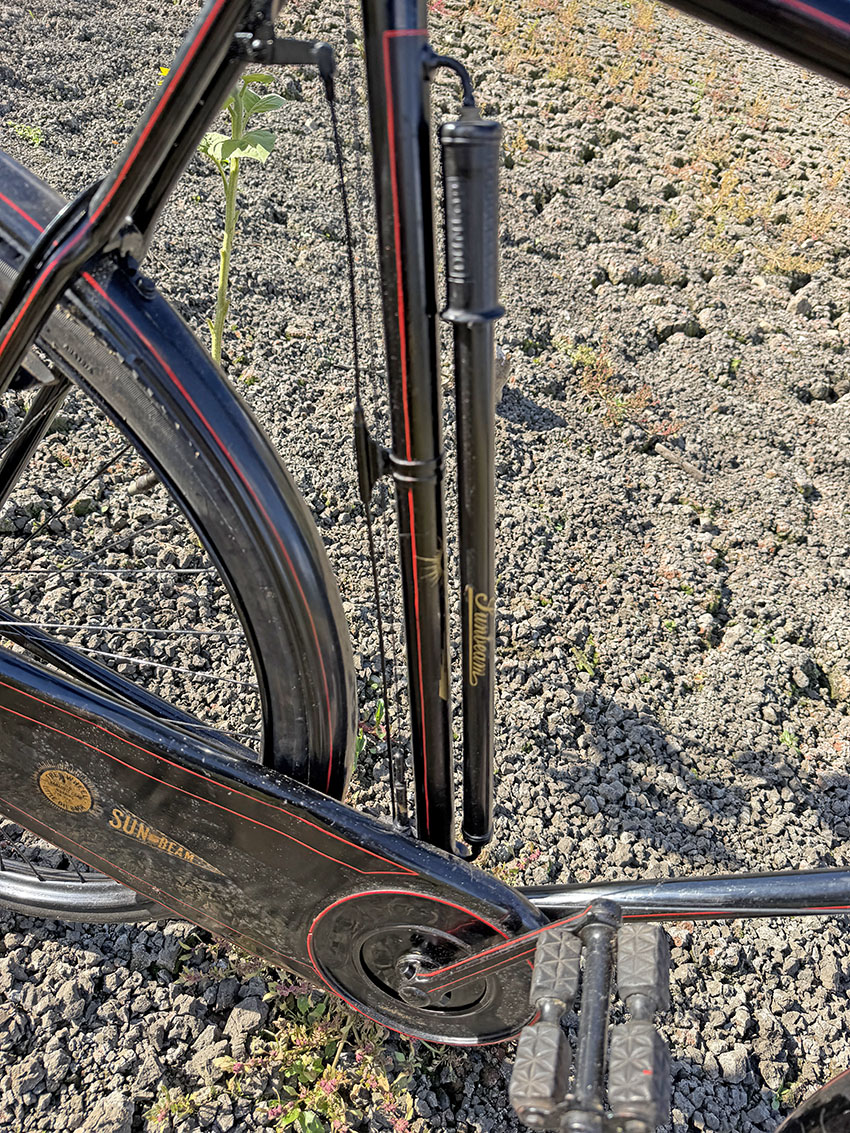
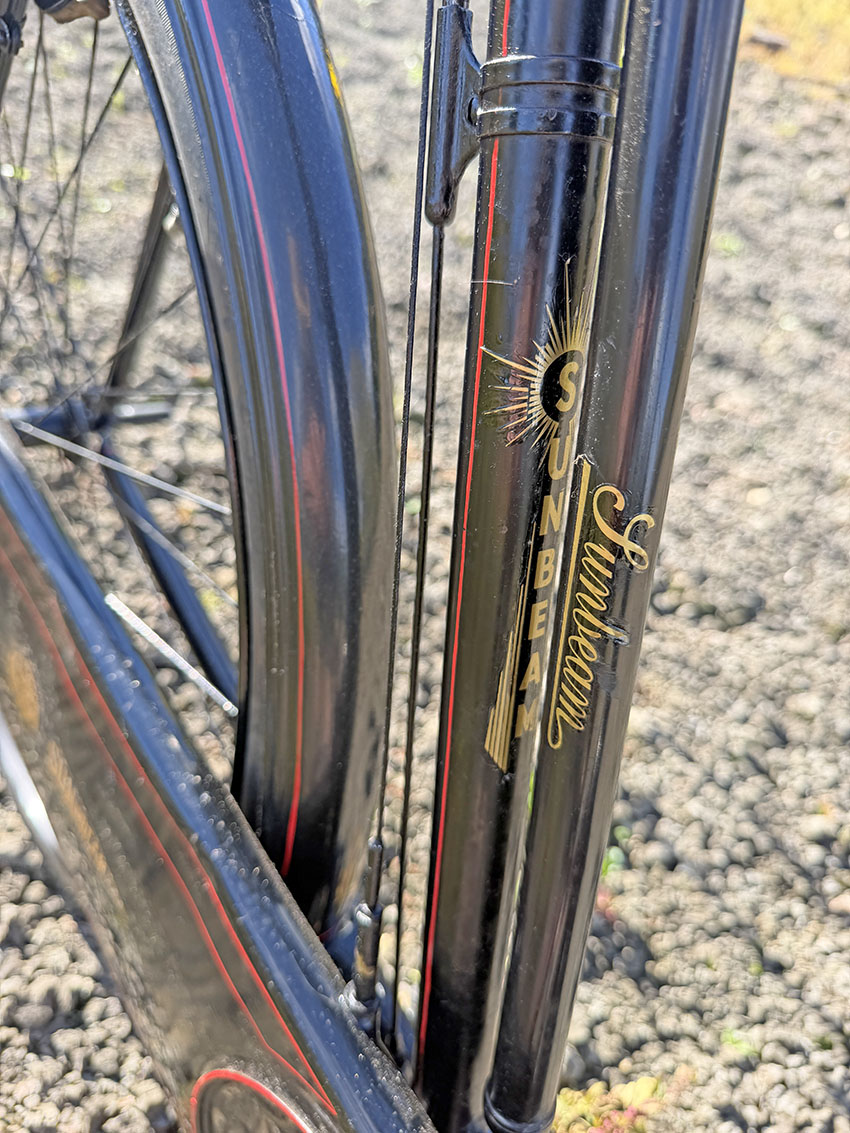
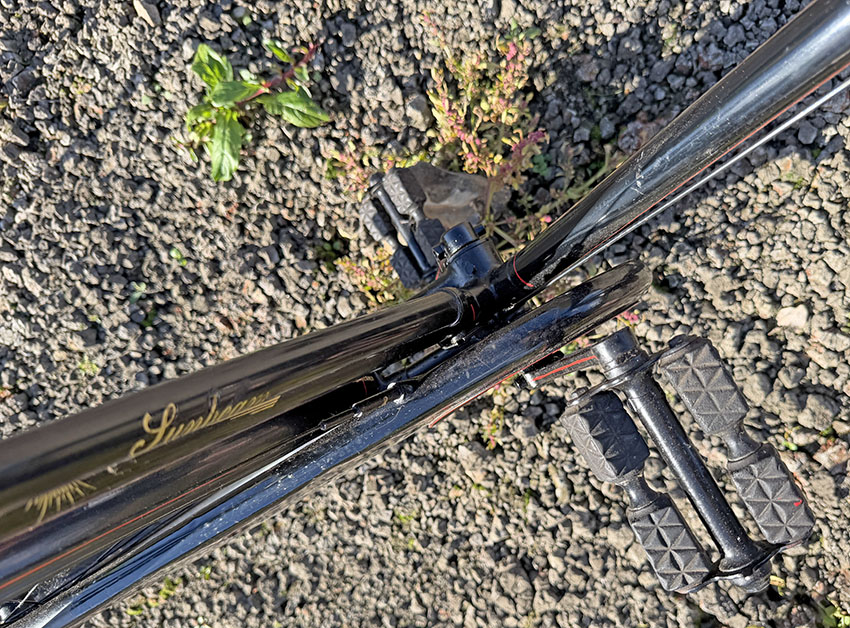
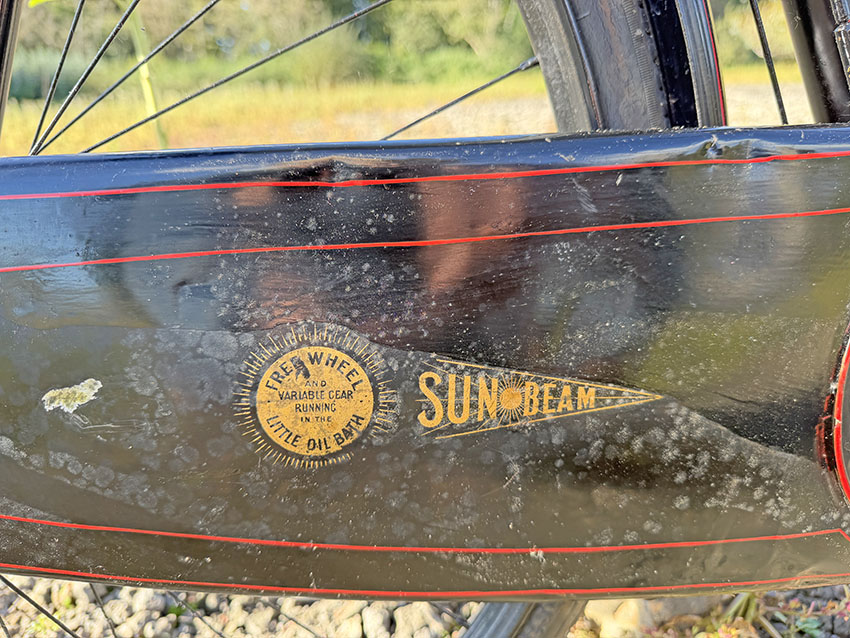
SUNBEAM PATENT OIL BATH GEAR CASE