In the 1890s, during the first great sales surge in the bicycle industry, quality was the most important aspect of a British bicycle’s manufacture. It was the standard of a cycle’s construction that created the manufacturers’ reputations. By the turn of the century, so many companies had been attracted by the profit of the business that the industry started to suffer. Cheap imitation bicycles made by unscrupulous builders affected the reputation of the top manufacturers. Prices fell, and many companies disappeared.
The companies that remained in business decided to change their business strategy. Instead of fitting components made by third-party suppliers, so that all cycle parts were interchangeable, they each started making their own parts, and those parts were different from every other cycle manufacturer. This stopped counterfeit builders making bikes that looked similar.
As a result, the top manufacturers could charge higher prices for their bikes, and offer service facilities in their own factories. Customers soon discovered that the advertising slogans used by the manufacturers were correct – a well-made bicycle may be more expensive at the outset, but because it was more reliable it required less maintenance; and, because it was so pleasurable to ride, it always had a good second-hand resale value.
Even a century later, many Sunbeam bicycles survive. They’ve been handed down through families rather than being sold for scrap metal. Golden Sunbeams are cosseted and cherished by collectors, just as Rolls Royce cars and Vincent motorcycles are put away as a hedge against inflation. And, as the ultimate testament to their quality, this Golden Sunbeam rides as well now as it did when they first left the factory.
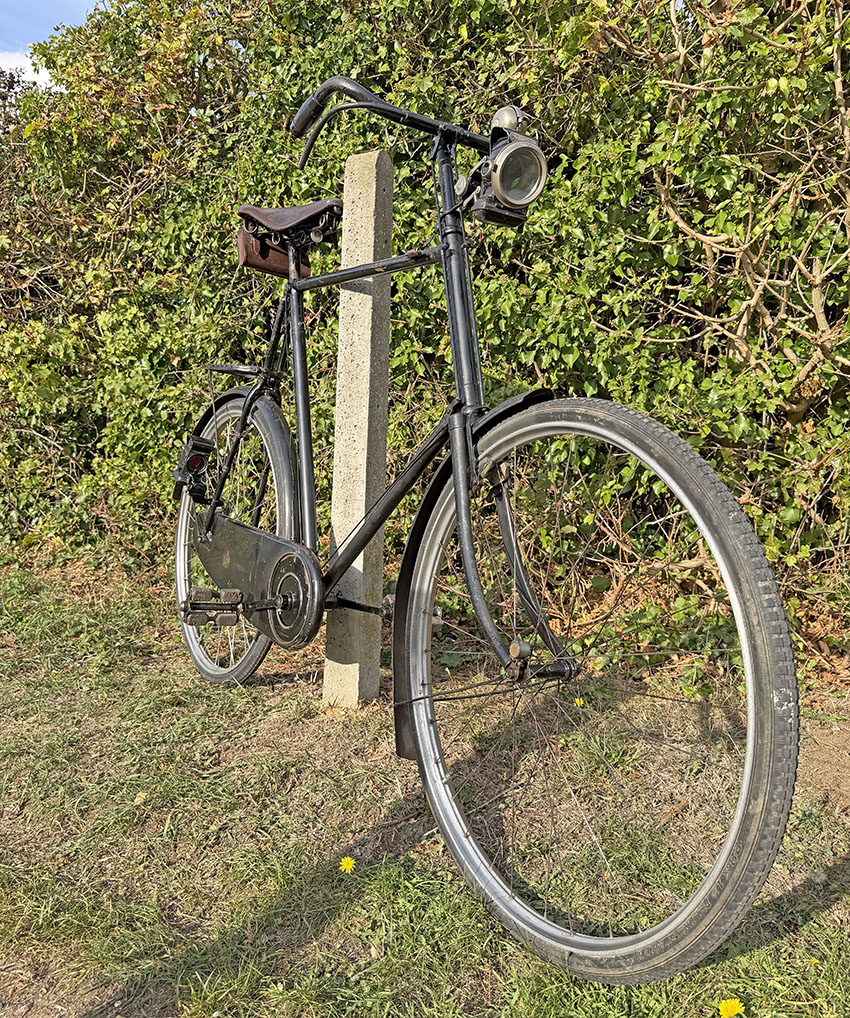
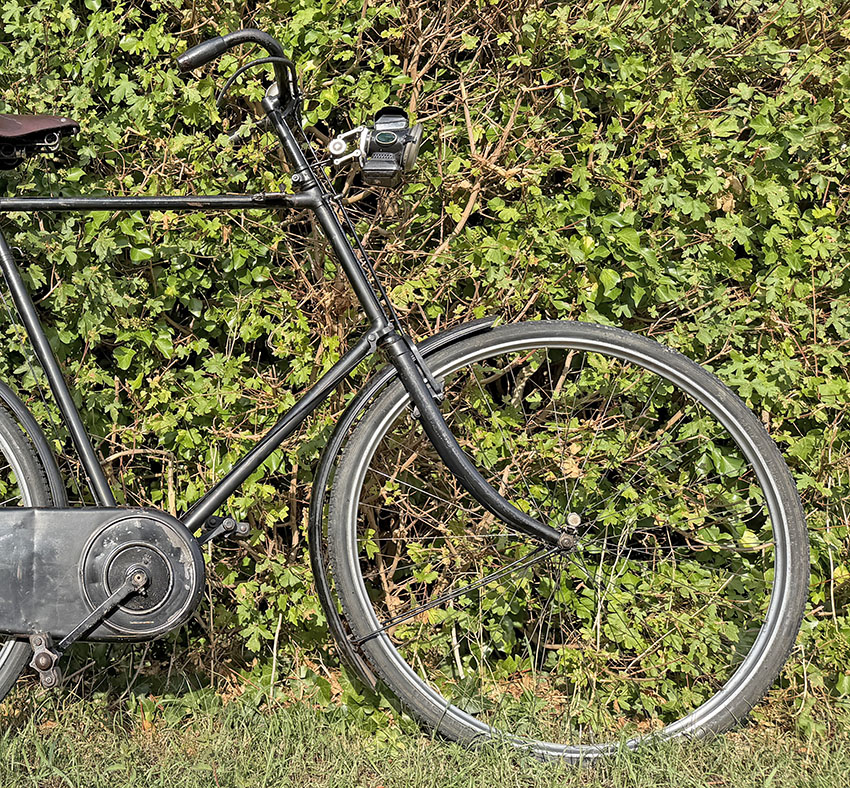
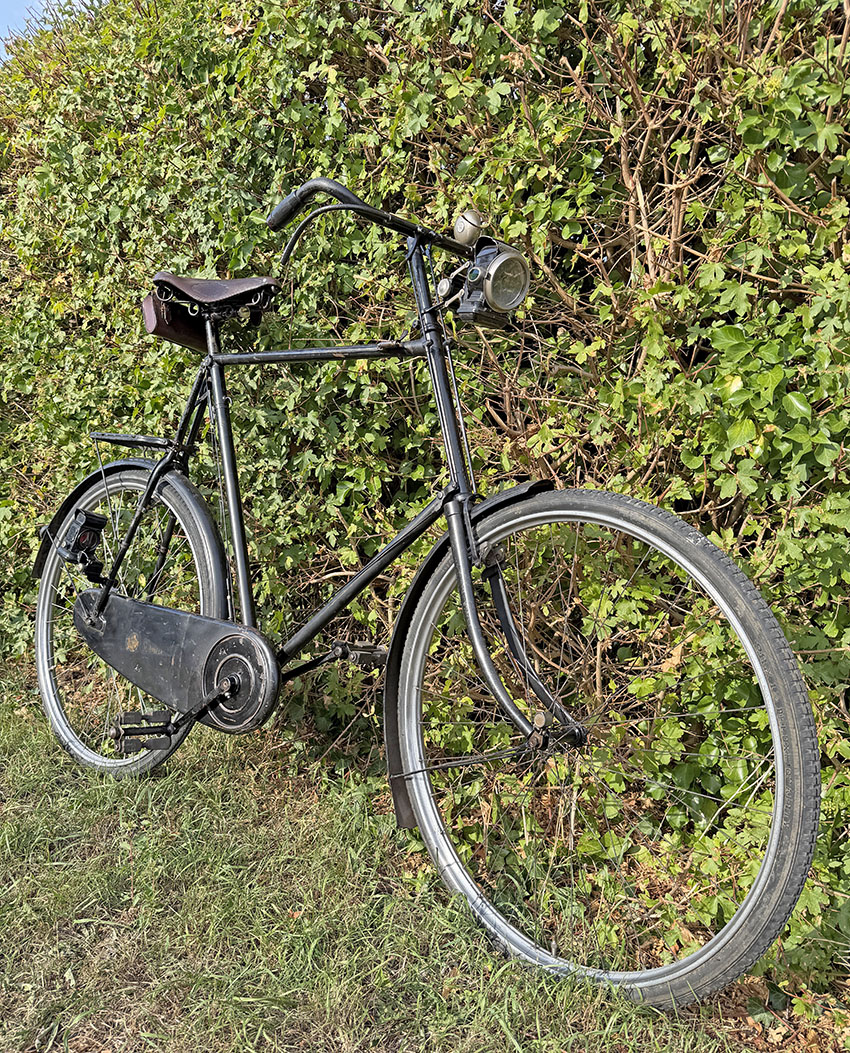
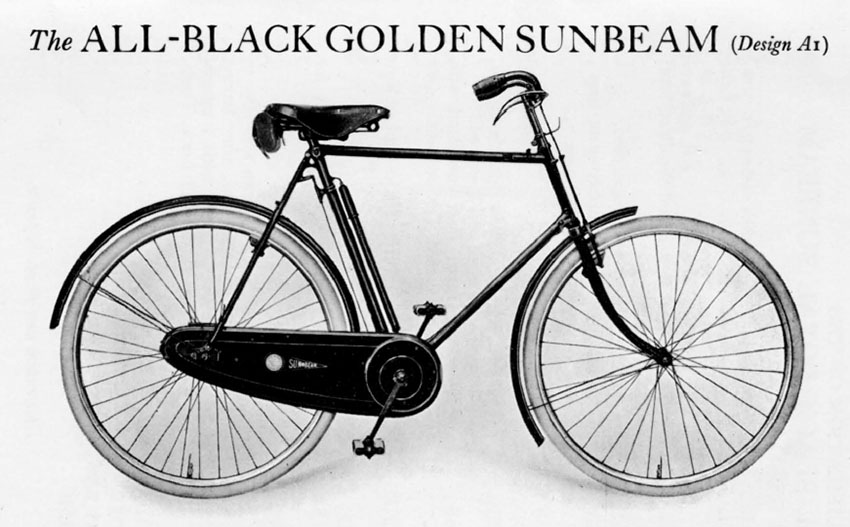
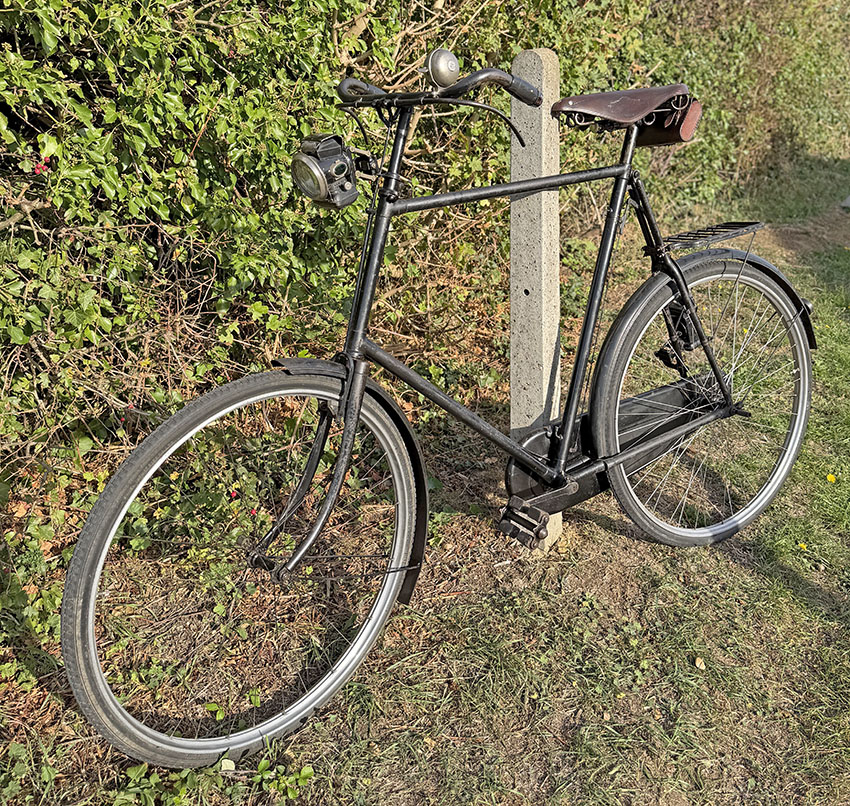
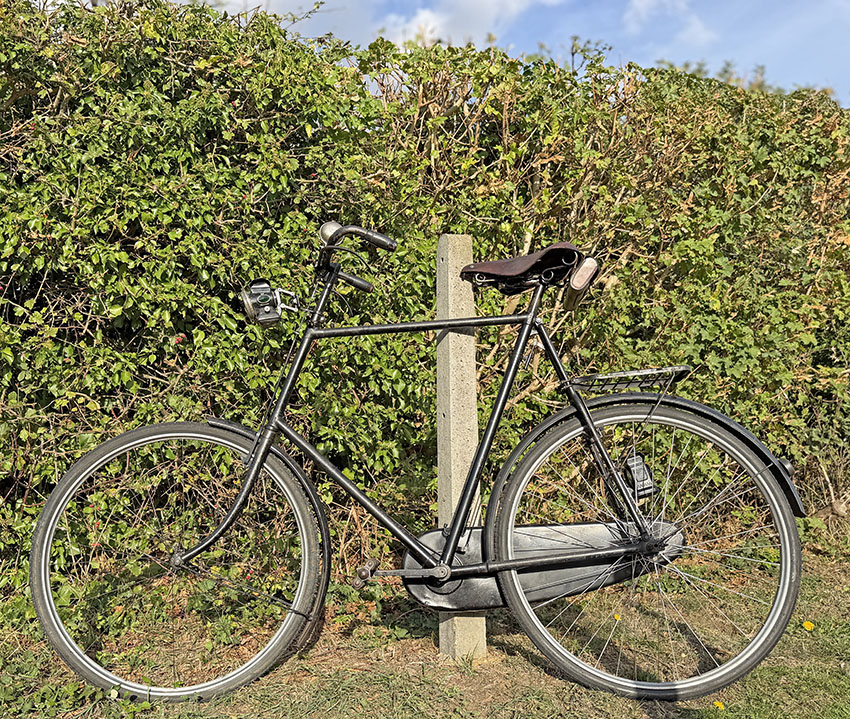
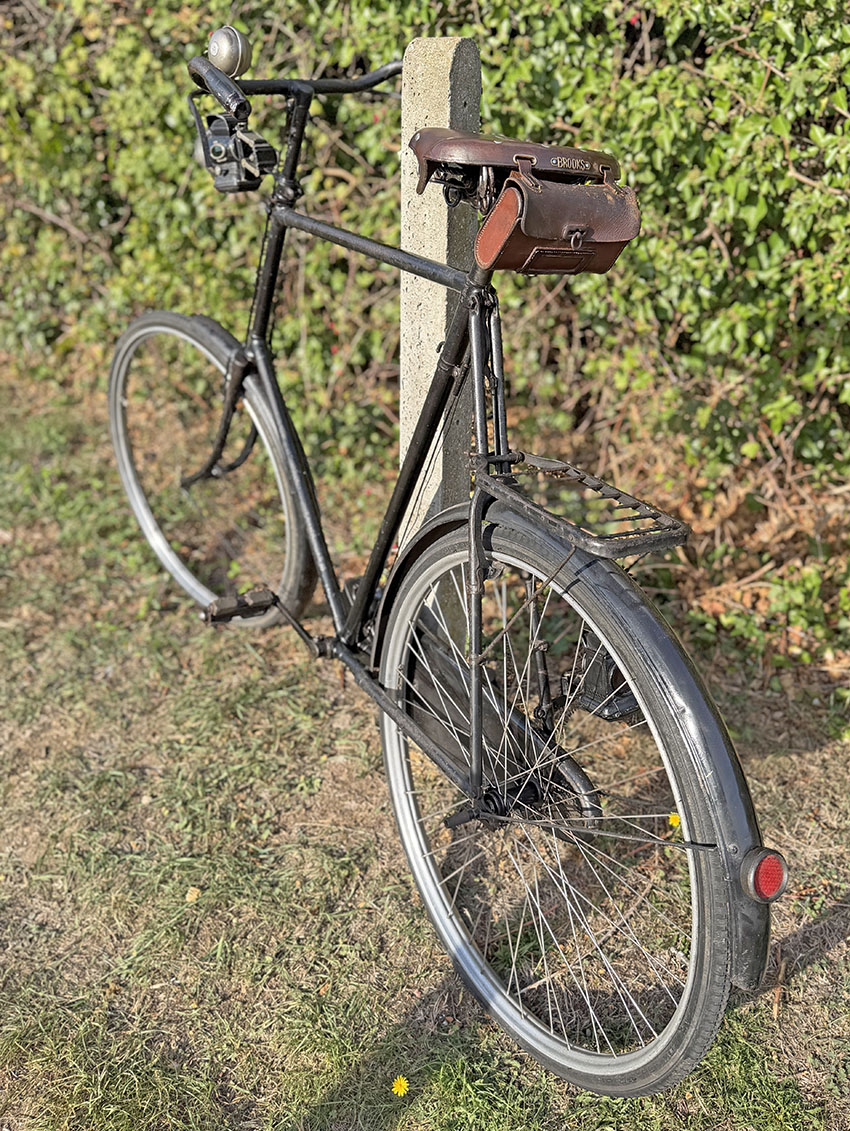
1923 All-Black Golden Sunbeam for Gentlemen
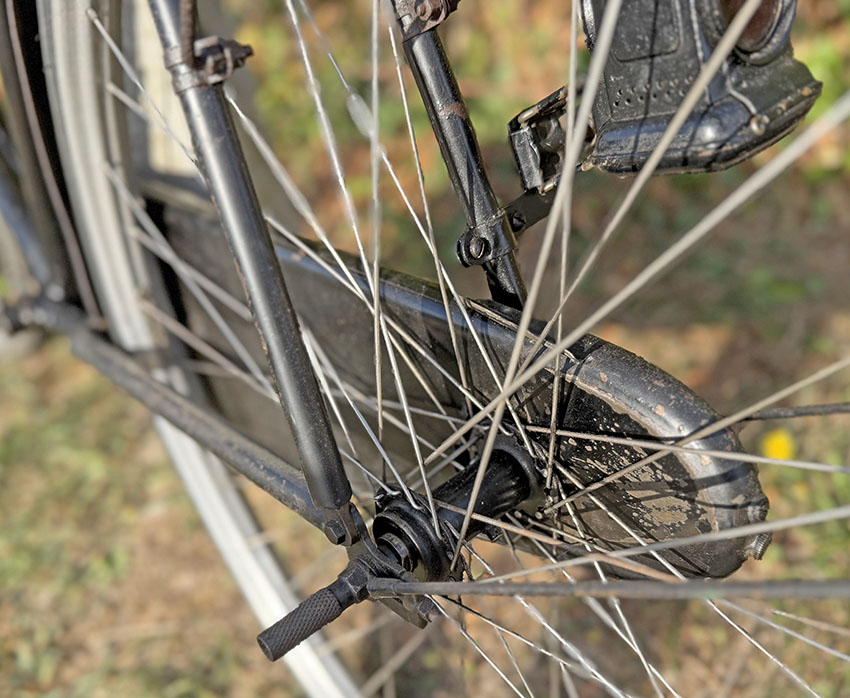
Sunbeam 2-Speed epicyclic gear
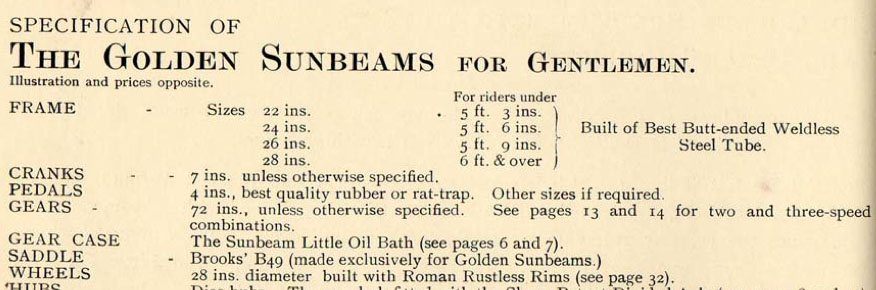
Tall 28″ Frame
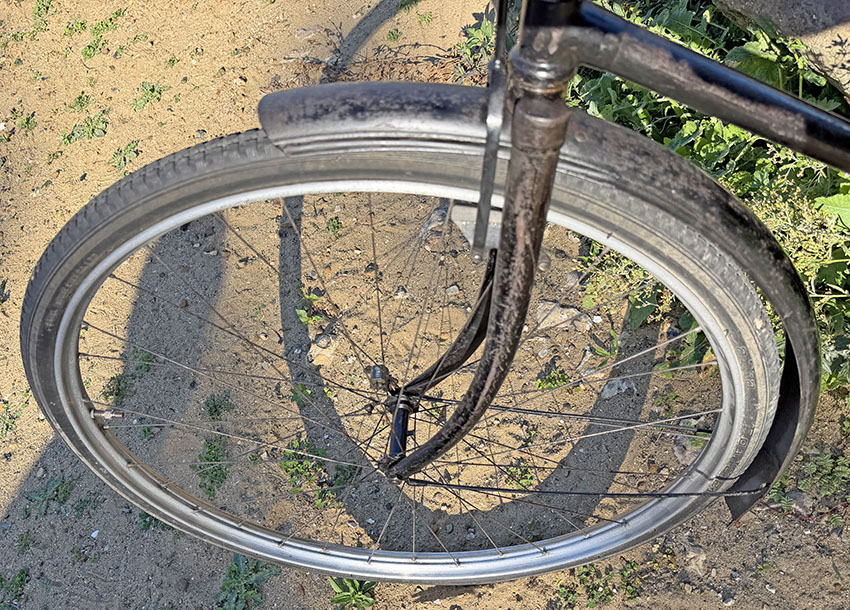
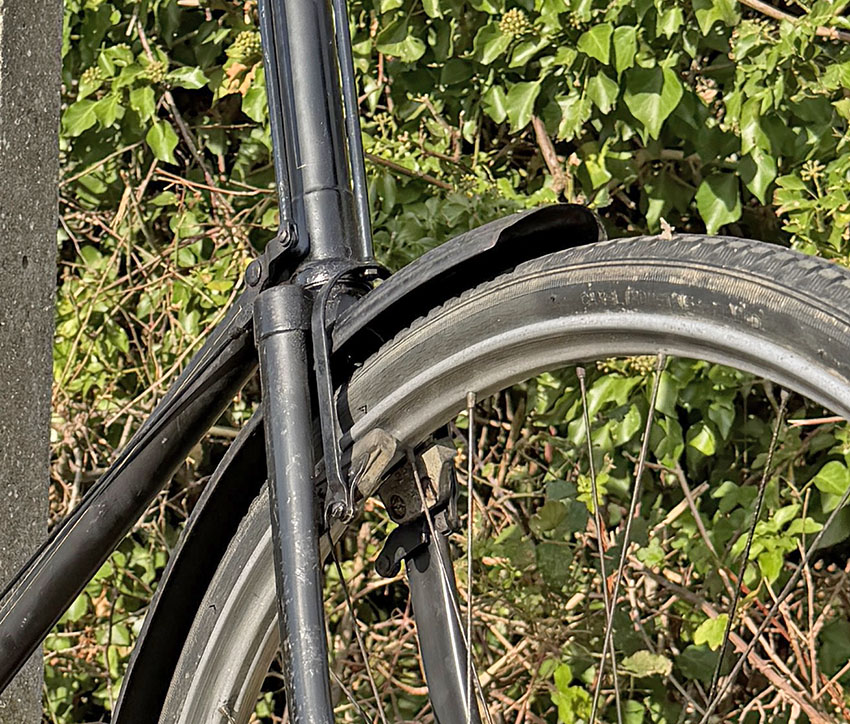
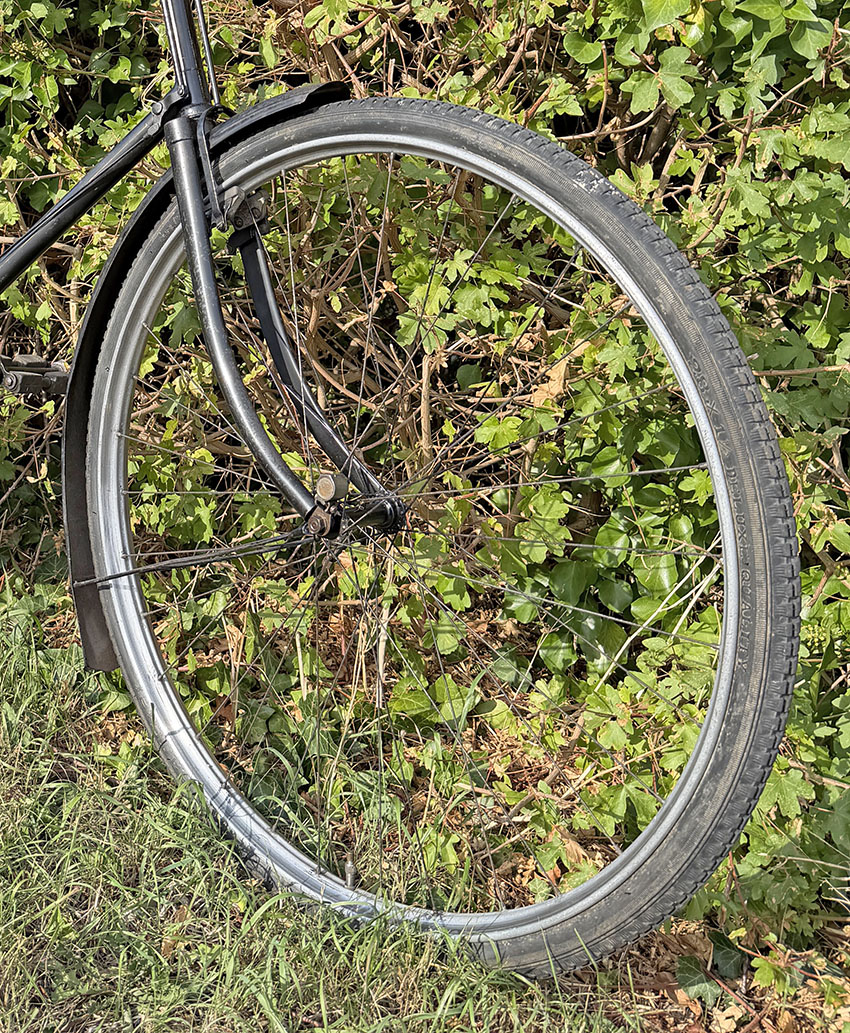
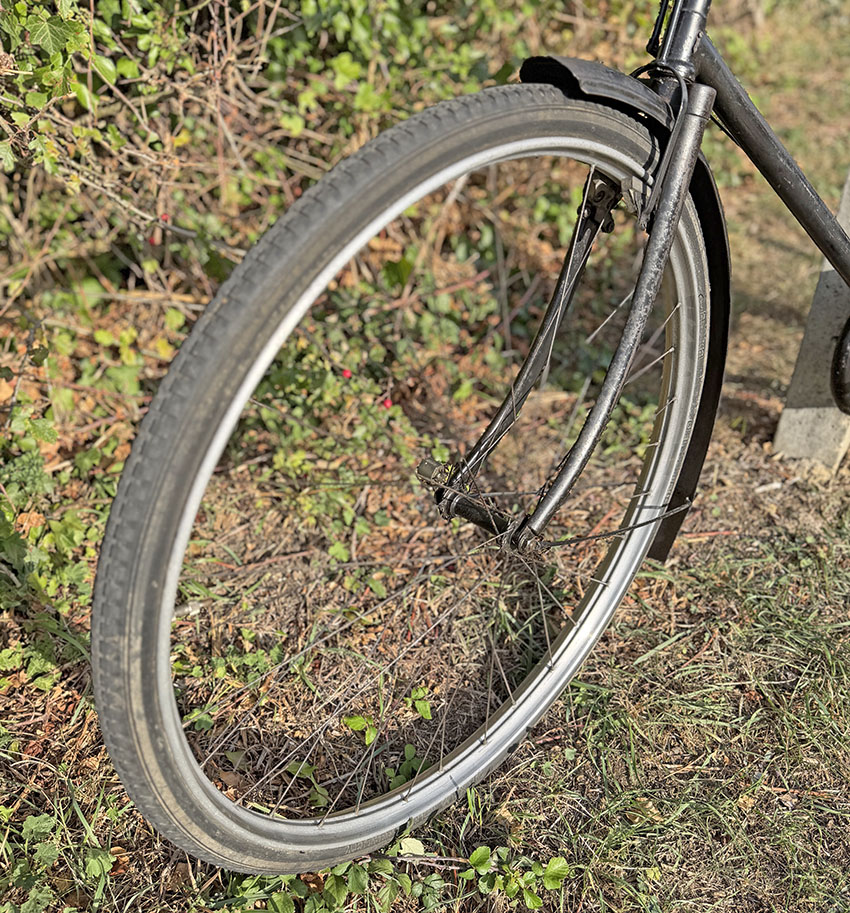
28″ Wheels with Roman Rims
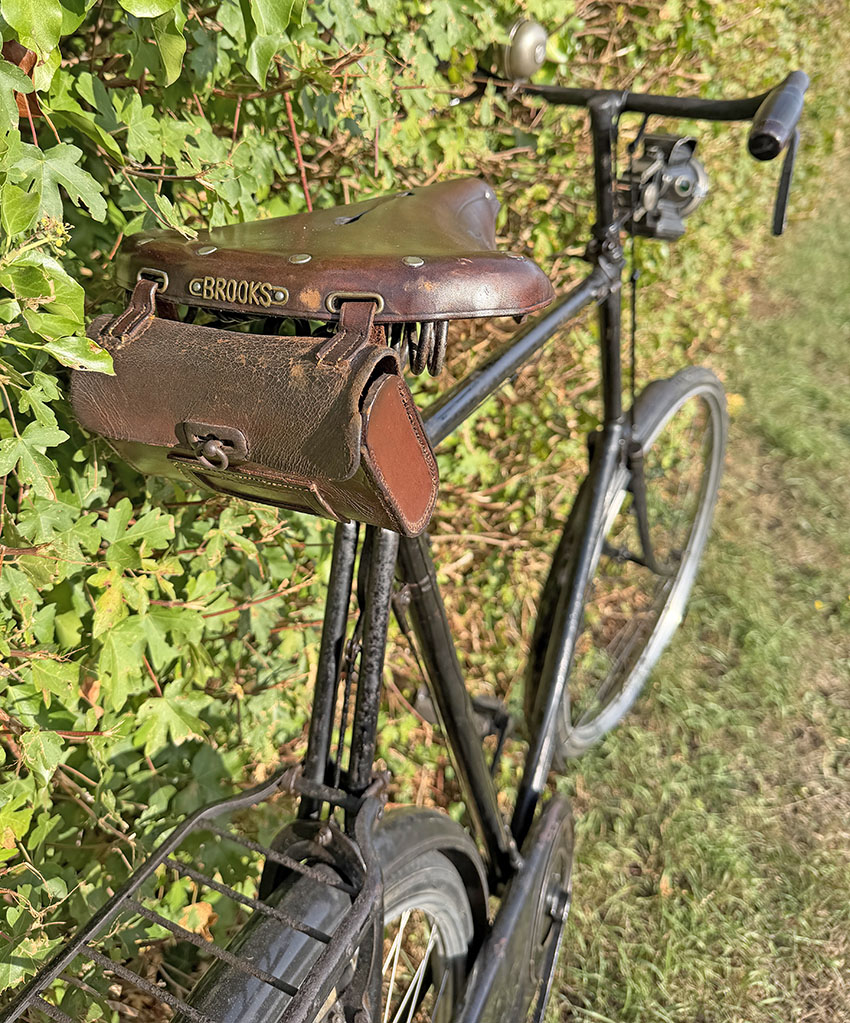
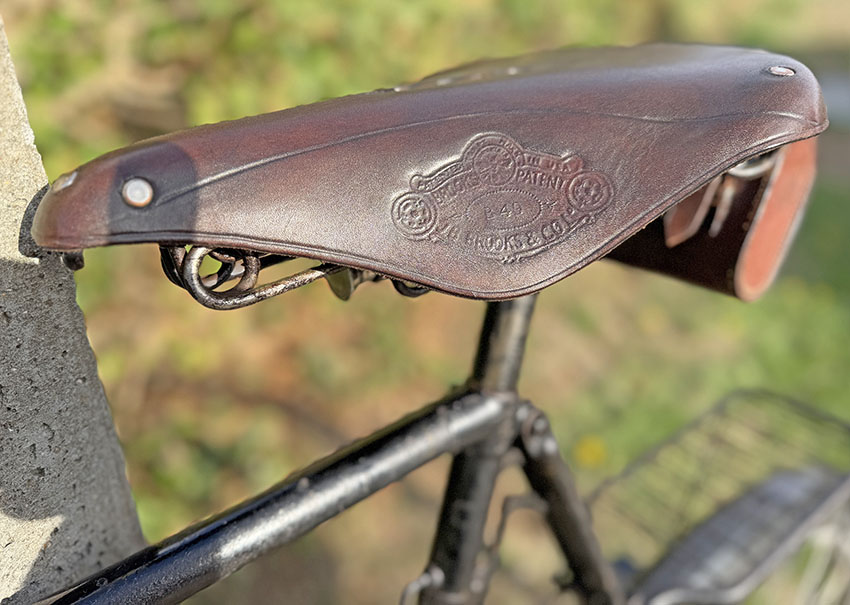
Brooks ‘Model B49’ saddle (Exclusive to the Golden Sunbeam)
Leather toolbag
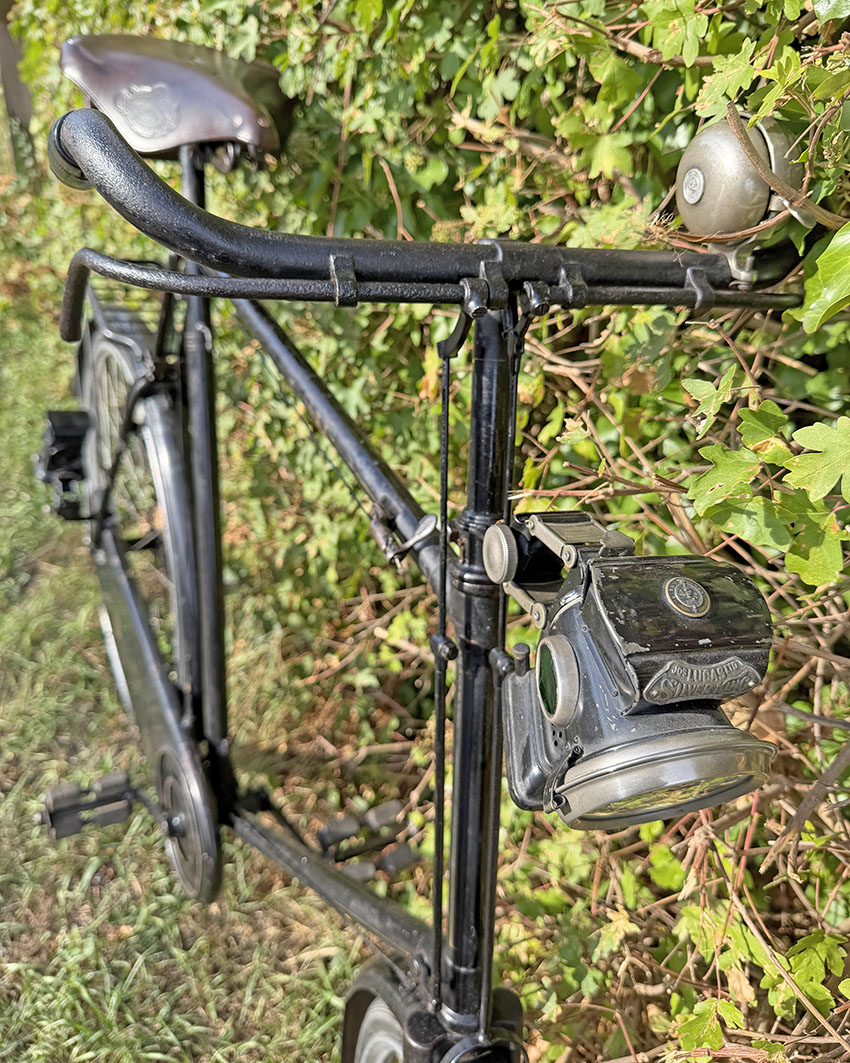
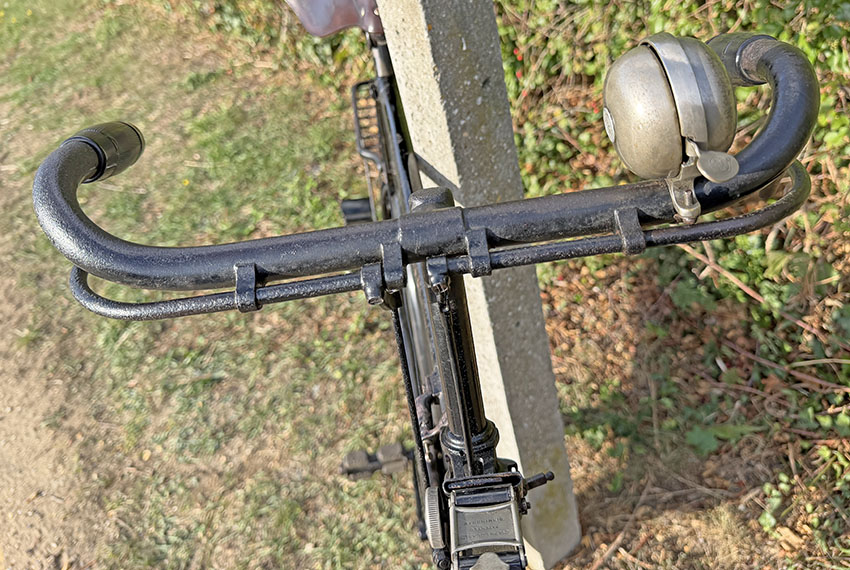
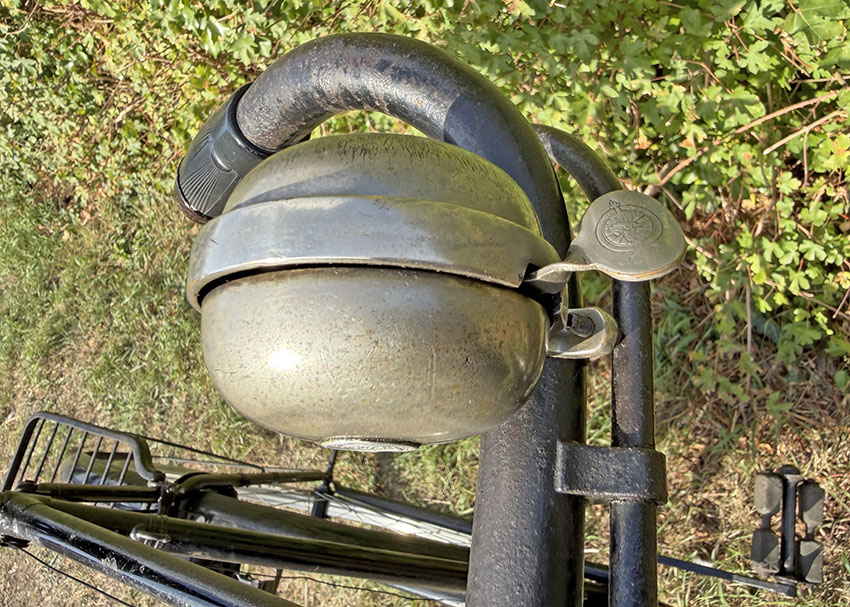
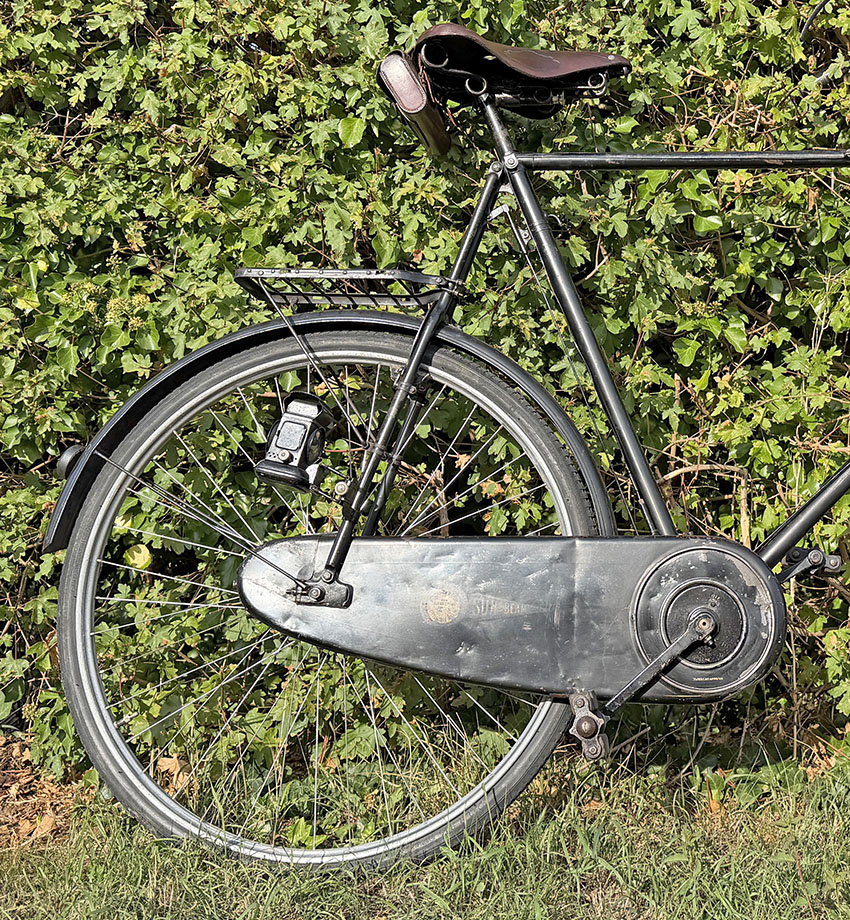
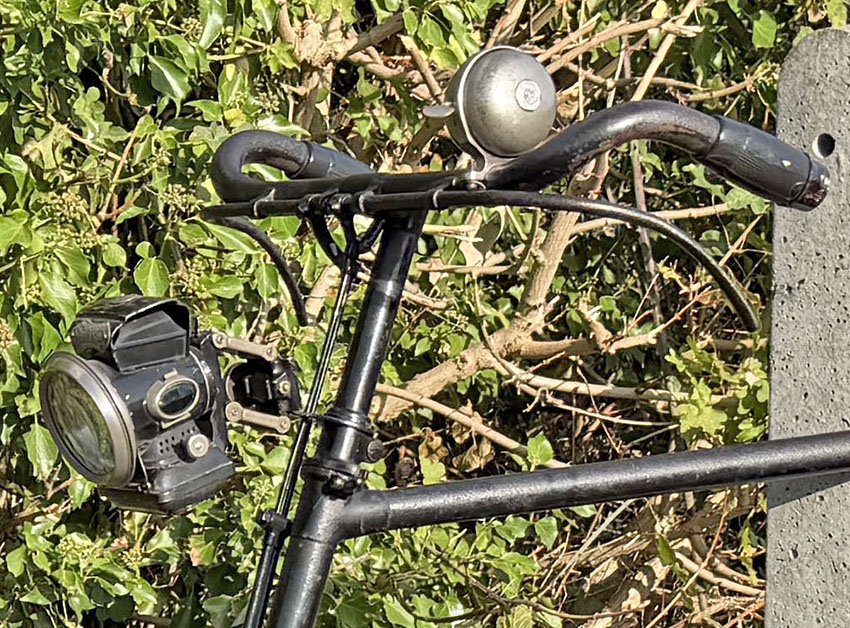
Revolving bell & Sunbeam patent rear carrier rack
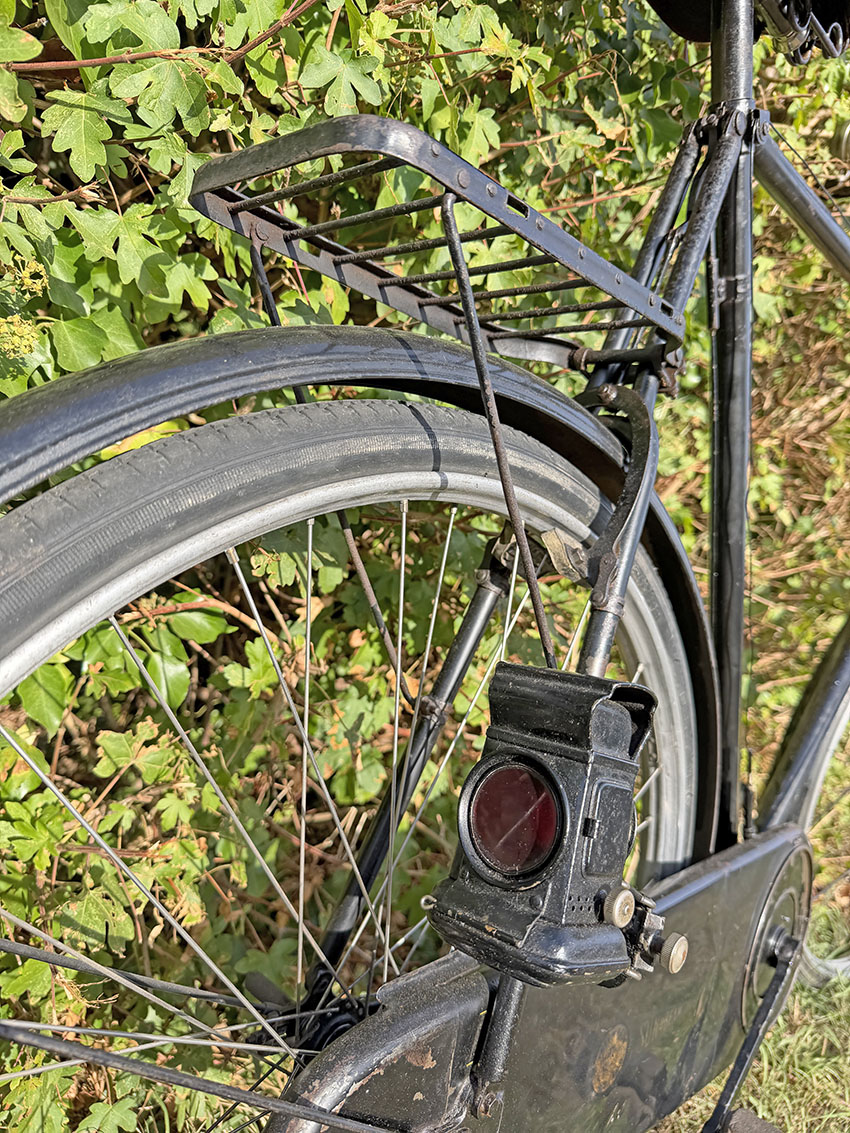
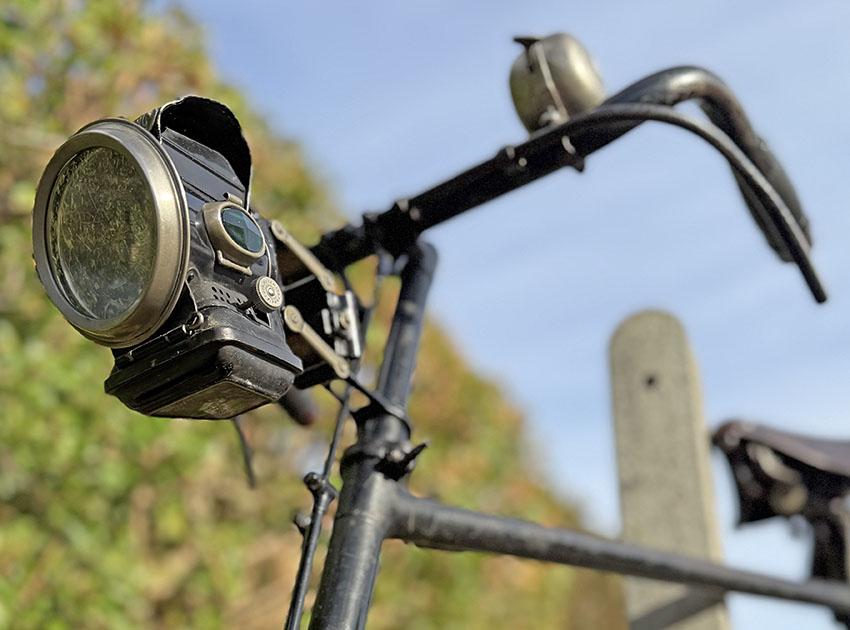
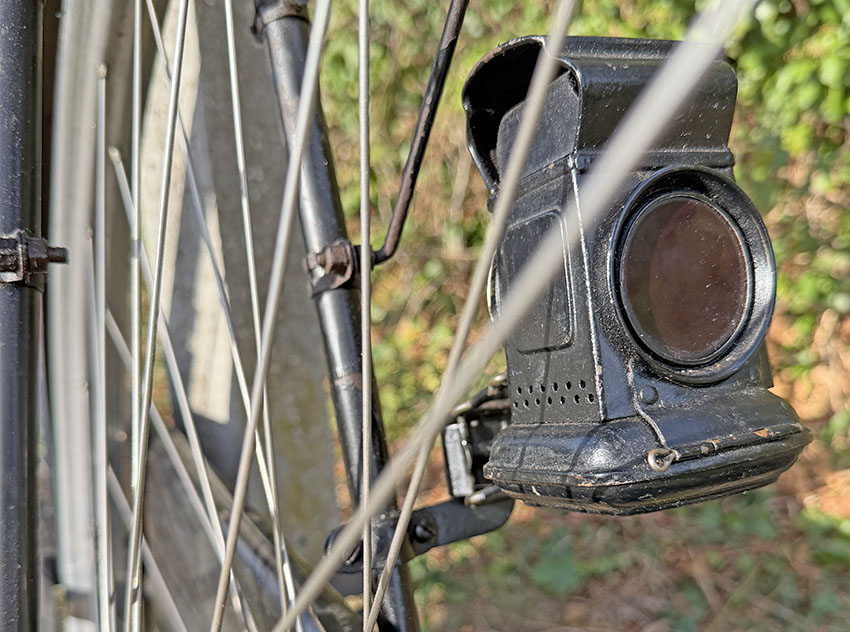
Front & rear lamps
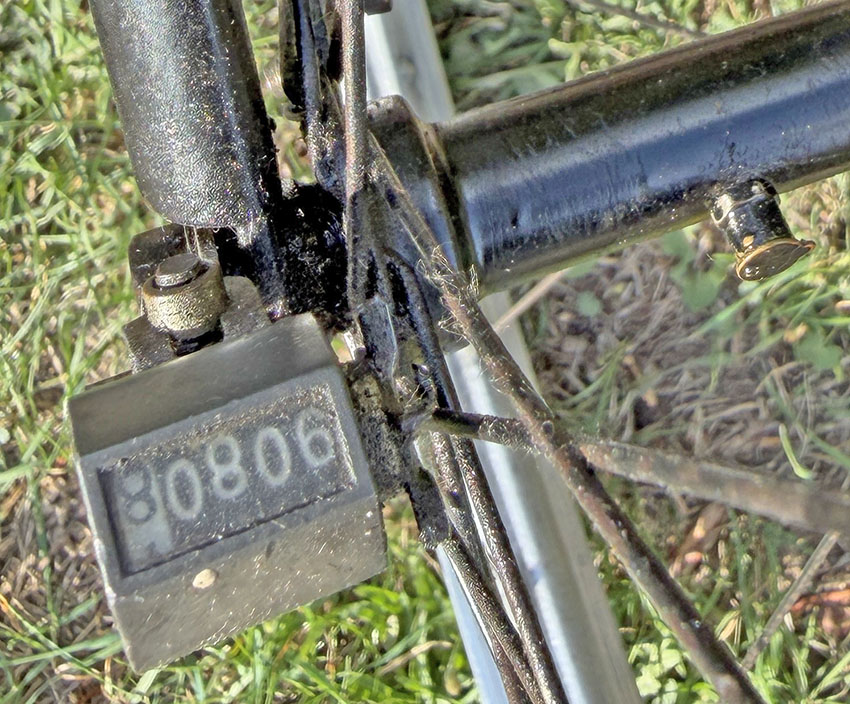
Veeder cyclometer
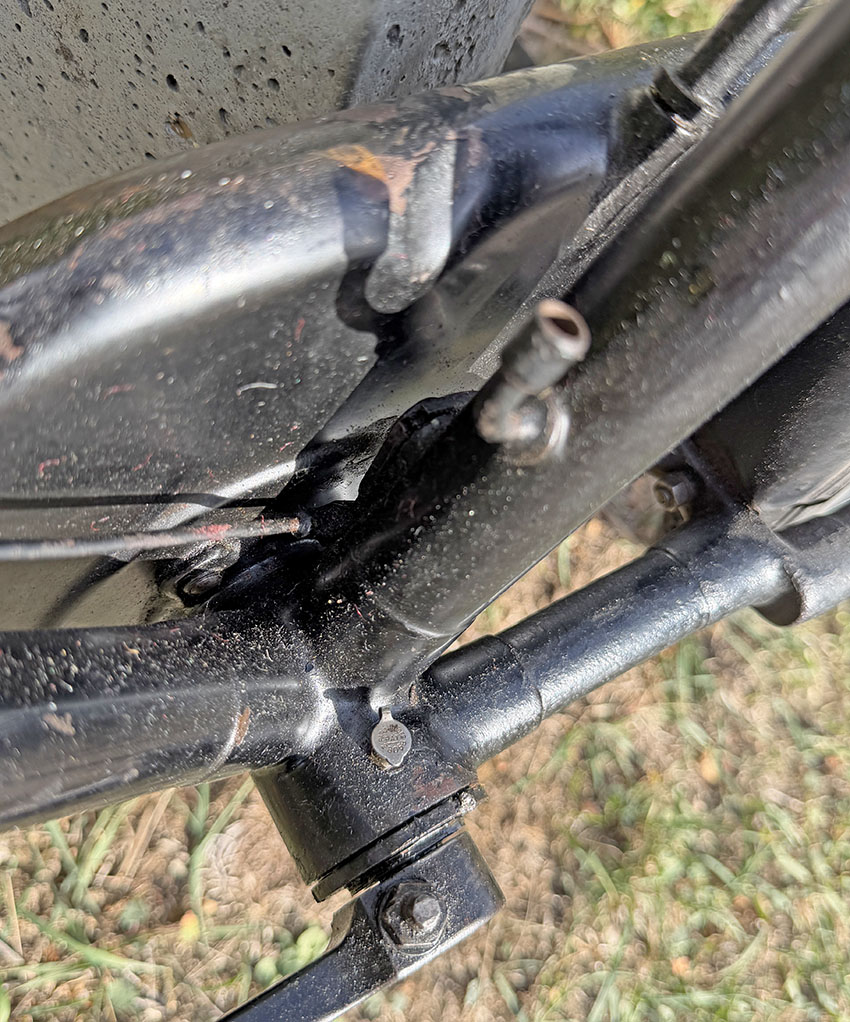
Frame No 140950

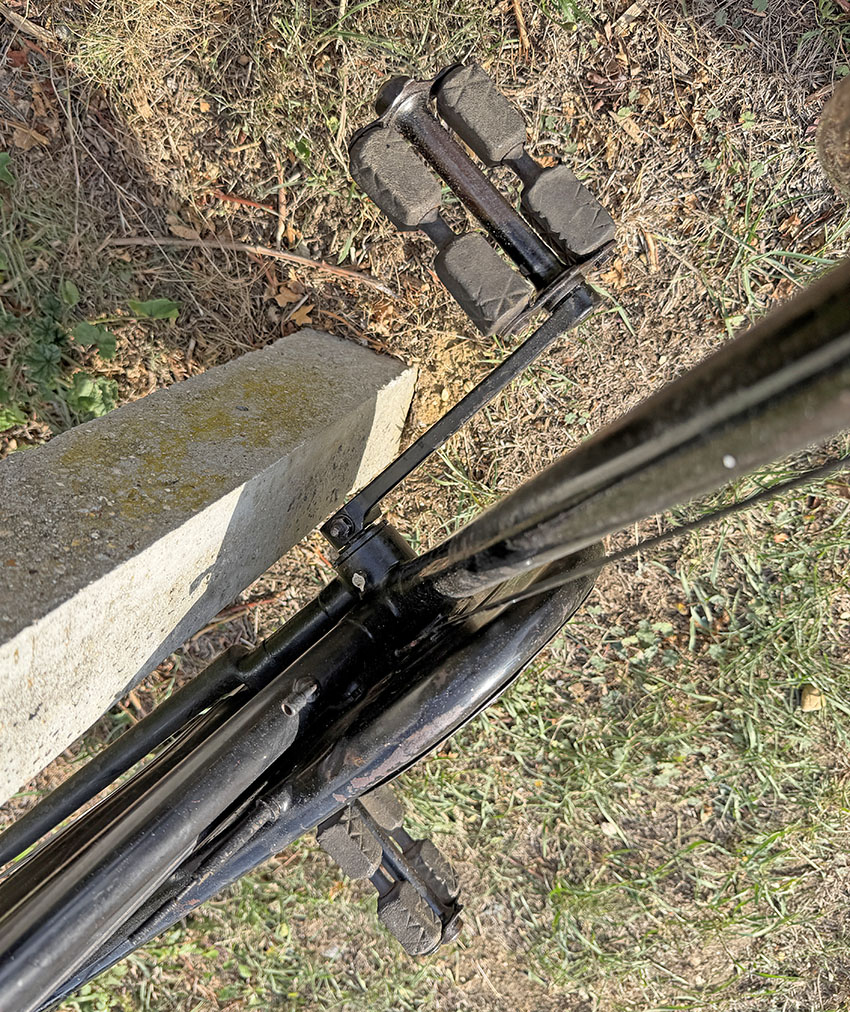
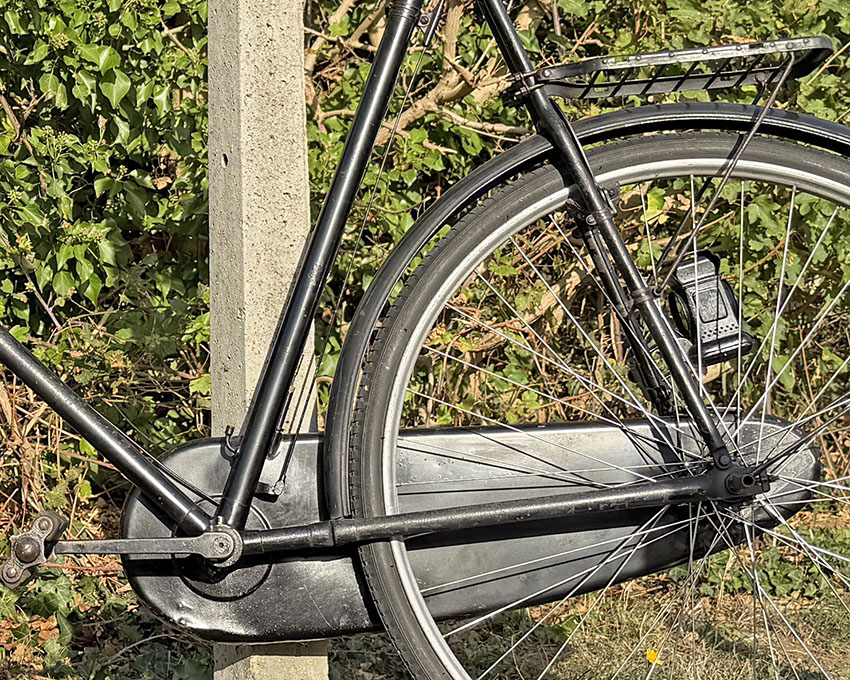
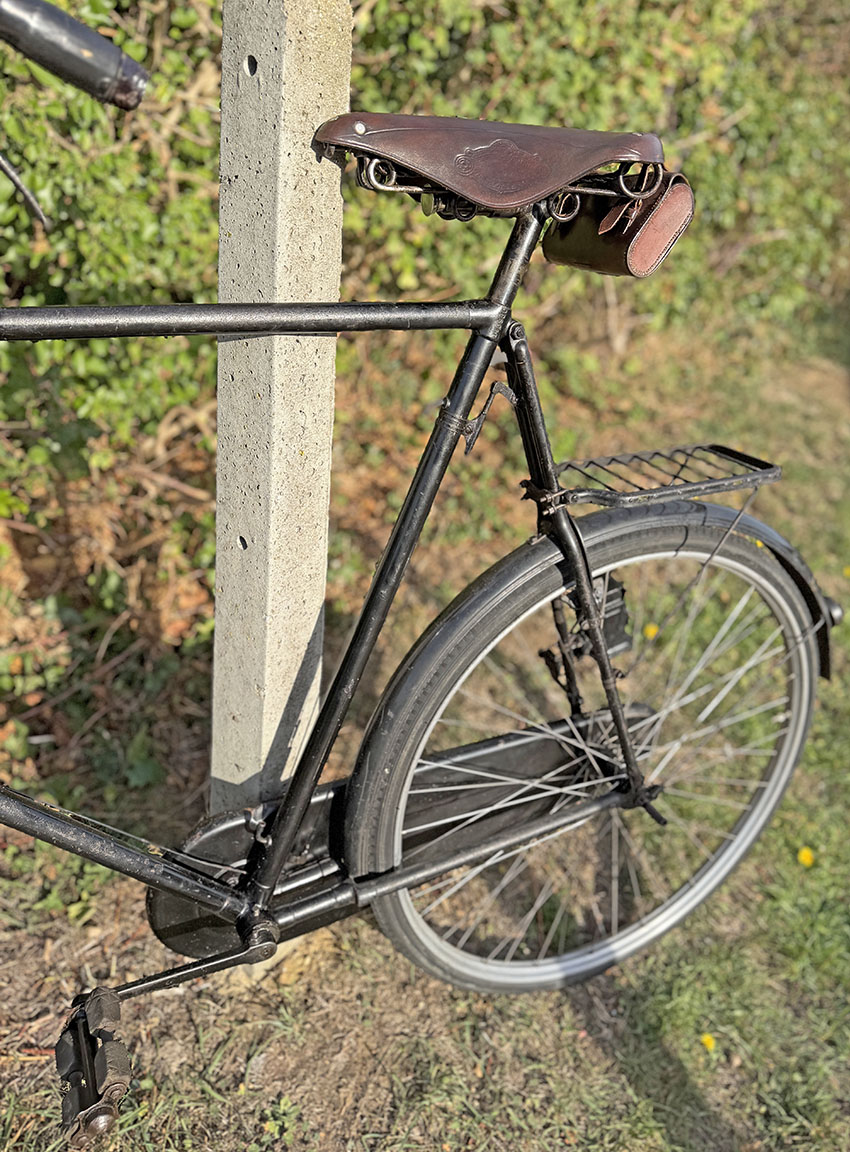
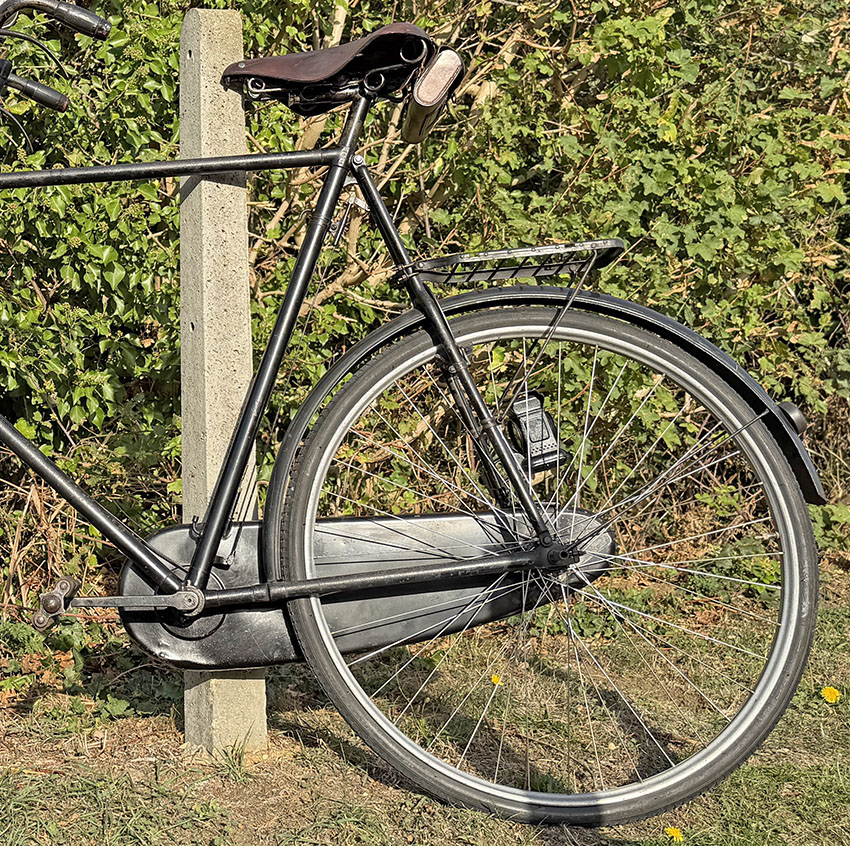
This is a rare surviving tall frame machine in original condition, with some nice extra accessories, including Roman Rims, Revolving bell, Sunbeam patent rear carrier rack, front & rear lamps (the back one has a red lens), and a Veeder cyclometer. Its Brooks ‘Model B49’ saddle was exclusive to the Golden Sunbeam and has a replacement leather top and original toolbag attached to it.
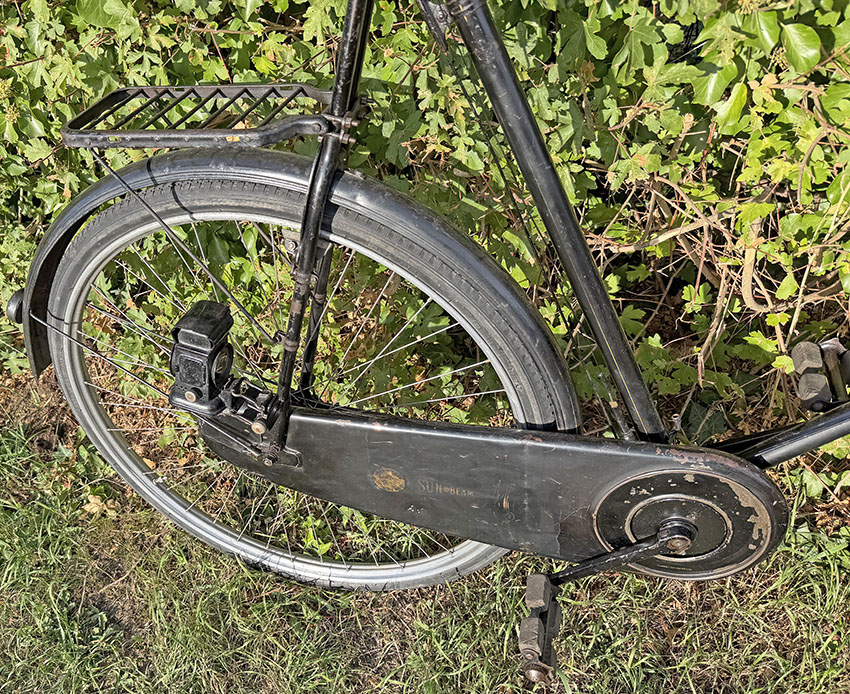
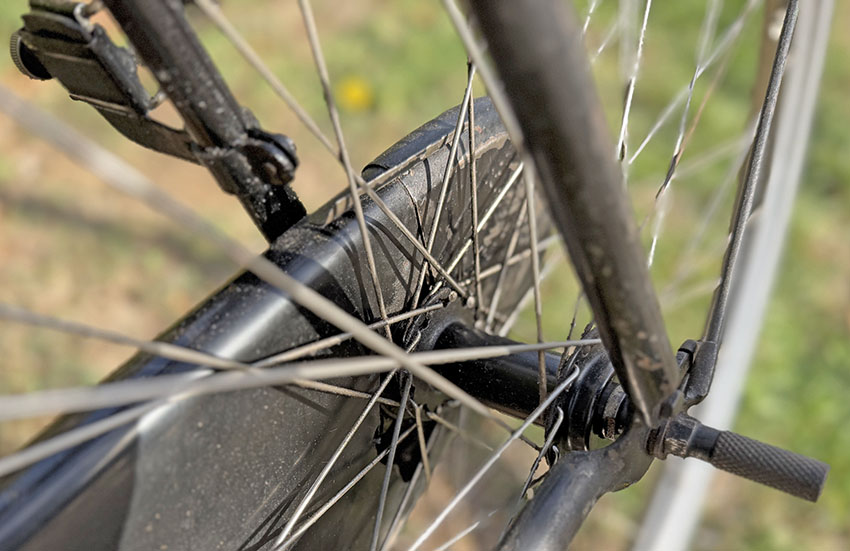
It features the company’s most popular gear, two-speed epicyclic model inside the chaincase. As the company often reminded potential customers: why bother with a three-speed hub when the Sunbeam two-speed is so well set up and practical to use?
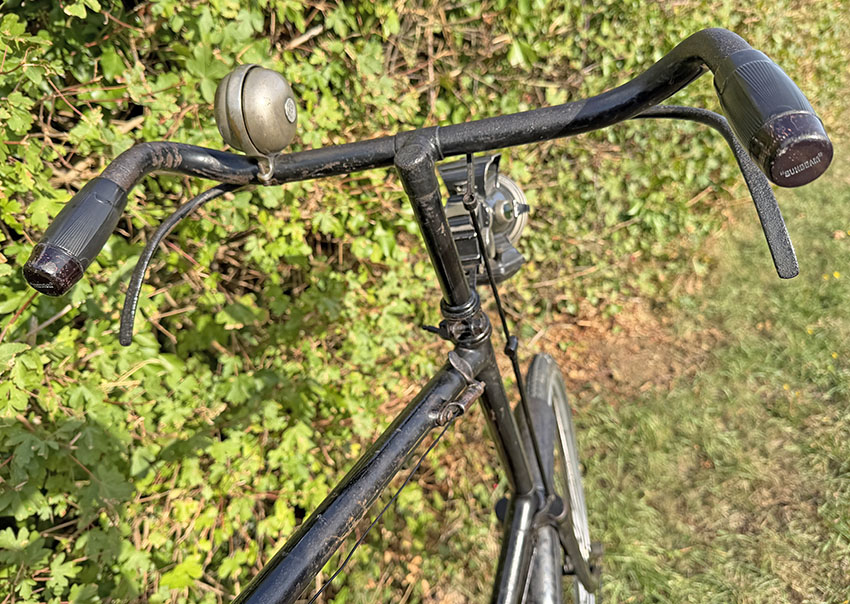
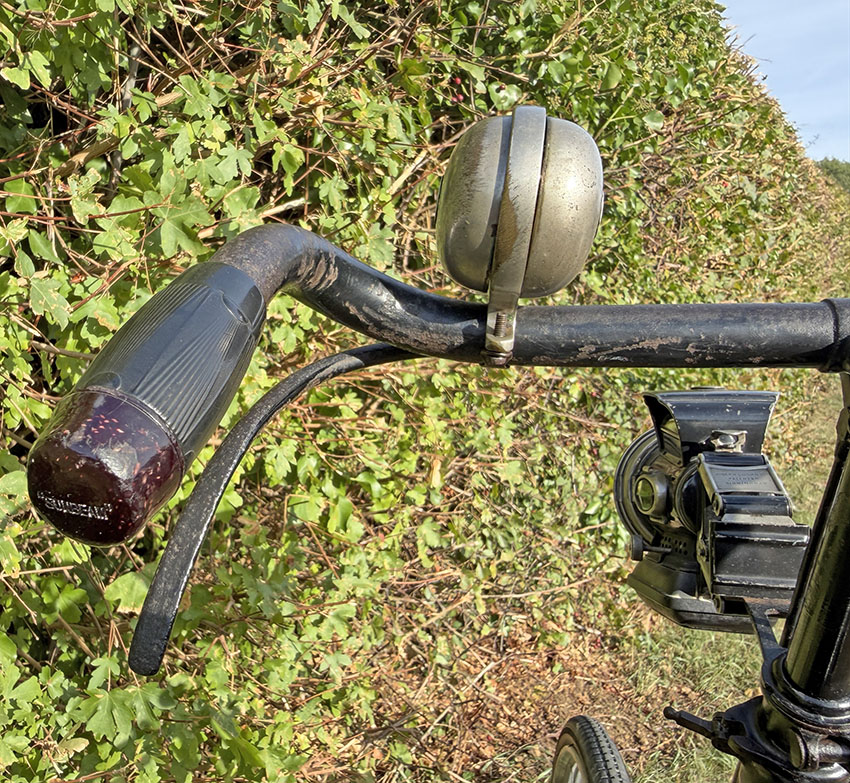
The Golden Sunbeam was uniquely fitted with handlebar grip caps that unscrew to reveal a tyre repair outfit container. In one of the photos, you can see a grip cap removed to reveal the glass tube inside, which would have contained a tyre repair patch.
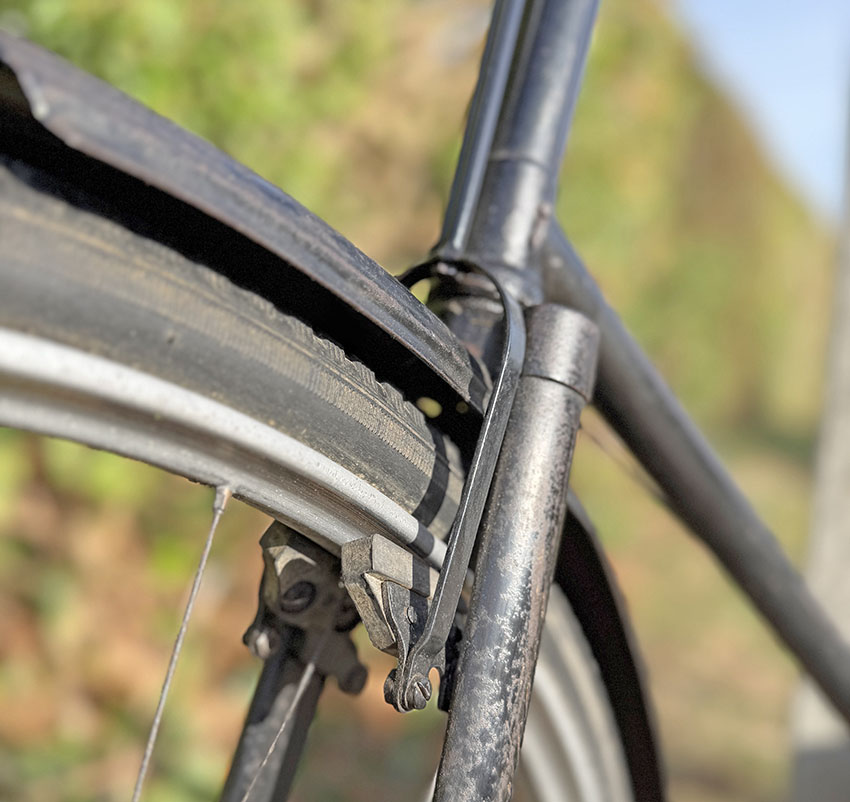
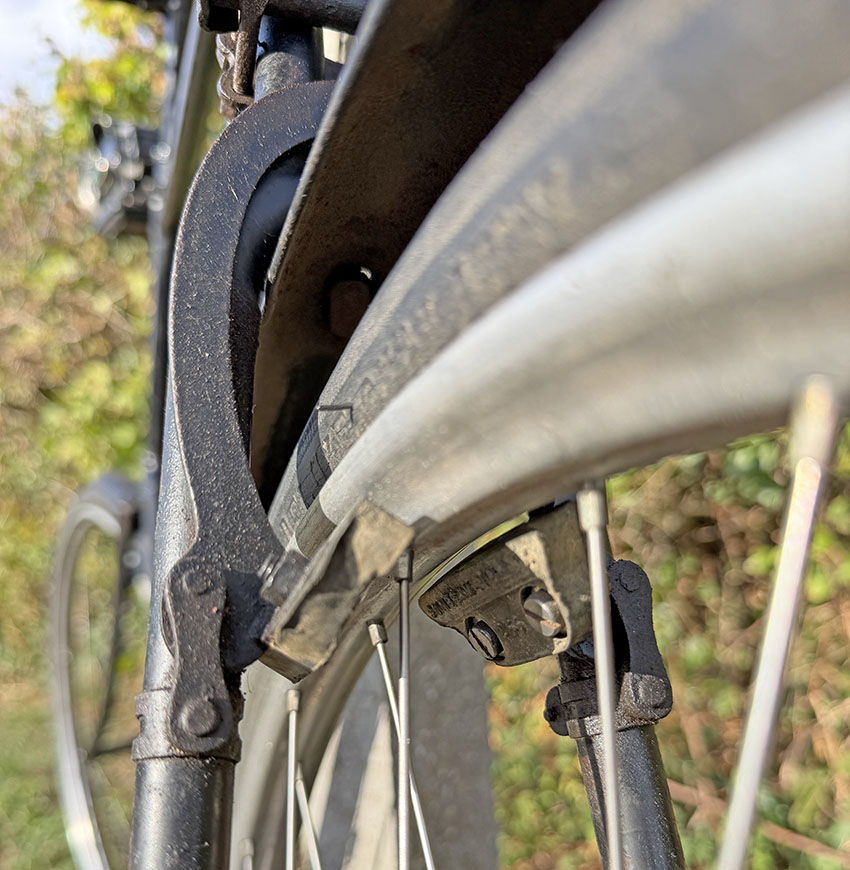
Cosmetically it is unrestored and the original paintwork is in good condition. The previous owner used it regularly and it has been well-maintained, for example the brake rubbers have plenty of life in them. Every part is the correct original item for this bicycle. The Golden Sunbeam is in excellent all-round original ondition and ready to ride.


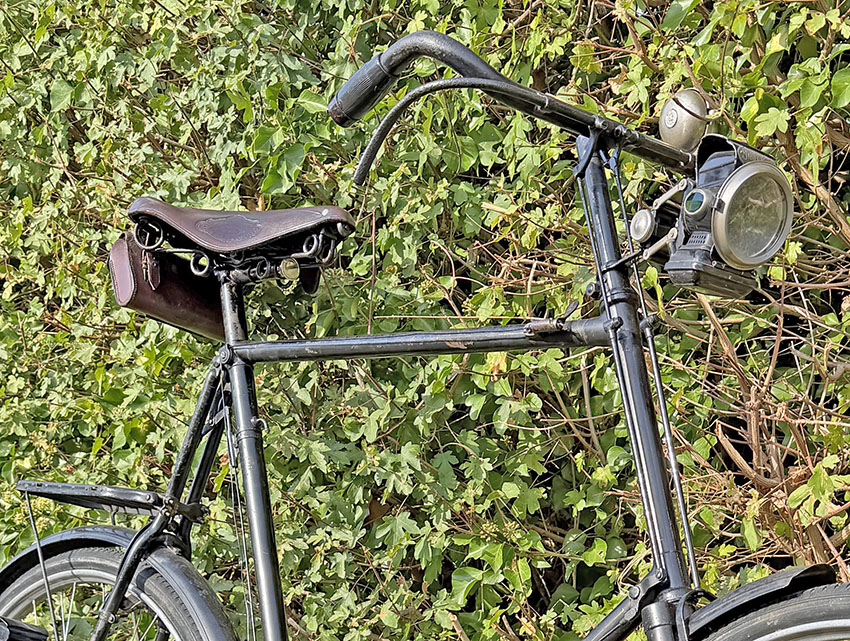




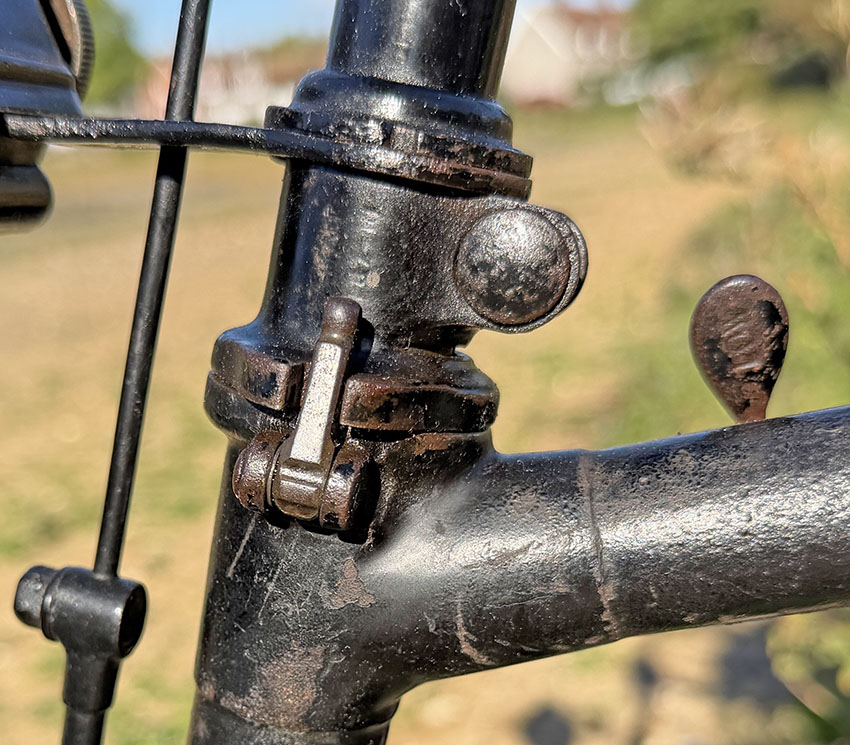




SUNBEAM REPAIR OUTFIT HANDLE



BROOKS ‘MODEL B49’ SADDLE

ALUMINIUM ‘ROMAN’ RIMS

Dr Reinhard Isidore Romanoff was a pioneer in the application of aluminium, and experimented with the production of aluminium-tubed BIcycles. His company was the ‘Roman Cycle Co’ of 31 Lombard Street, London. He perfected a jointless rim made from a new alloy – aluminium, tungsten and nickel – which he patented in 1897 and displayed at the National Cycle Show. He named his unique alloy ‘Romanium’, and his new lightweight wheels were called ‘Roman’ rims. A manufacture date appears inside all rims, eg 0813 for August 1913.
Bicycle ‘novelties’ such as aluminium wheels were welcomed by the cycle industry, cycling press and public alike. In 1904, the Marston Cycle Co decided to adopt Dr. Romanoff’s famous ‘Roman’ rims and offer them as an optional extra when a customer bought a Sunbeam. By 1909 Roman rims were fitted to all Sunbeams, until steel rims were introduced in 1916.