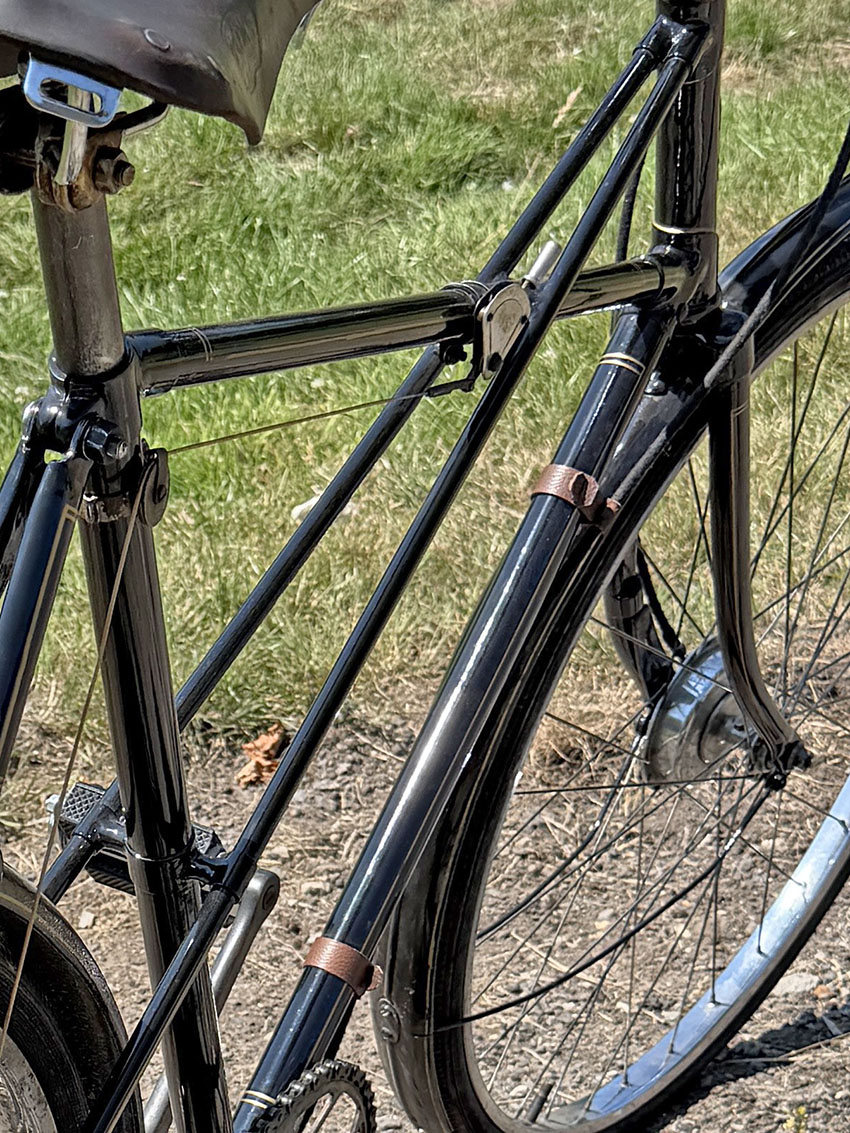
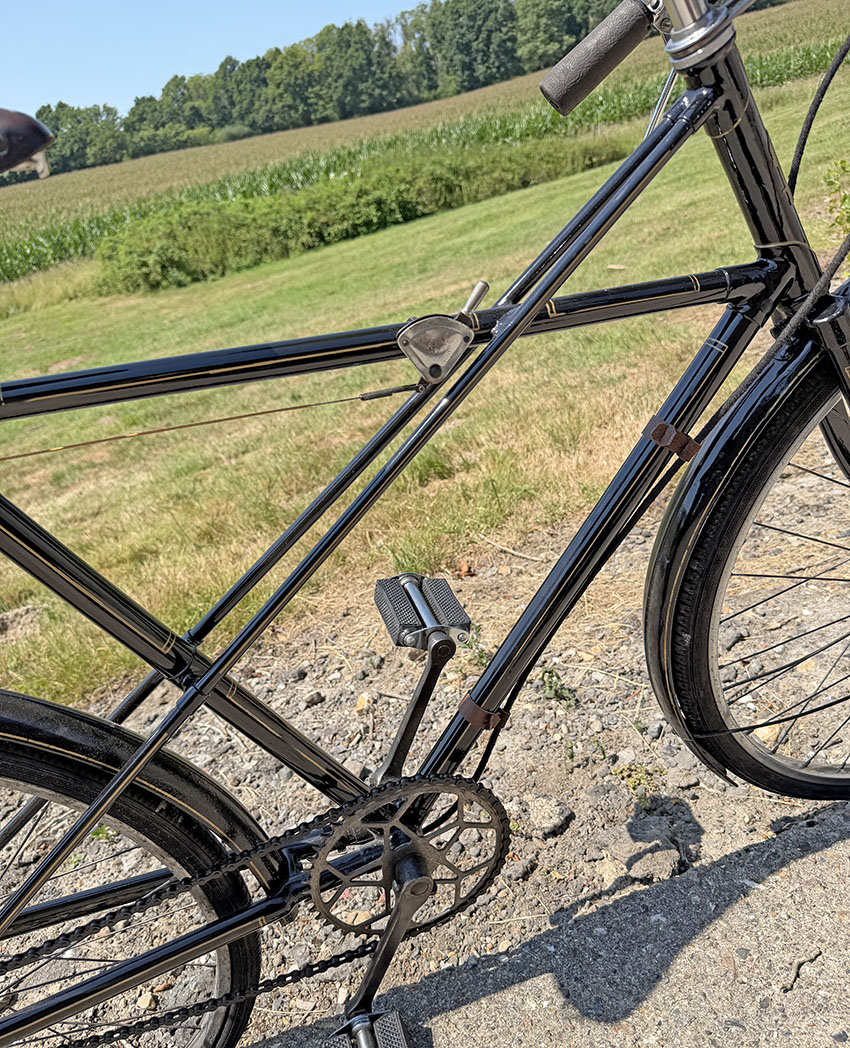
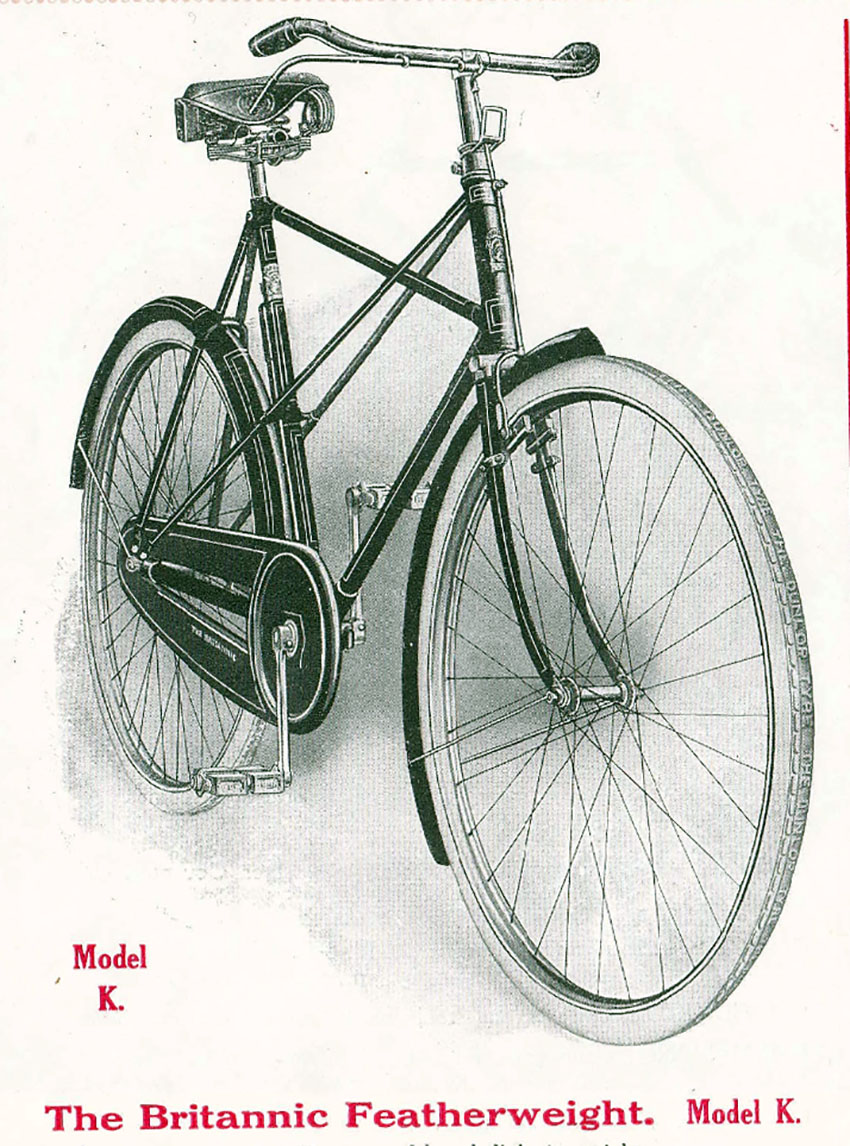
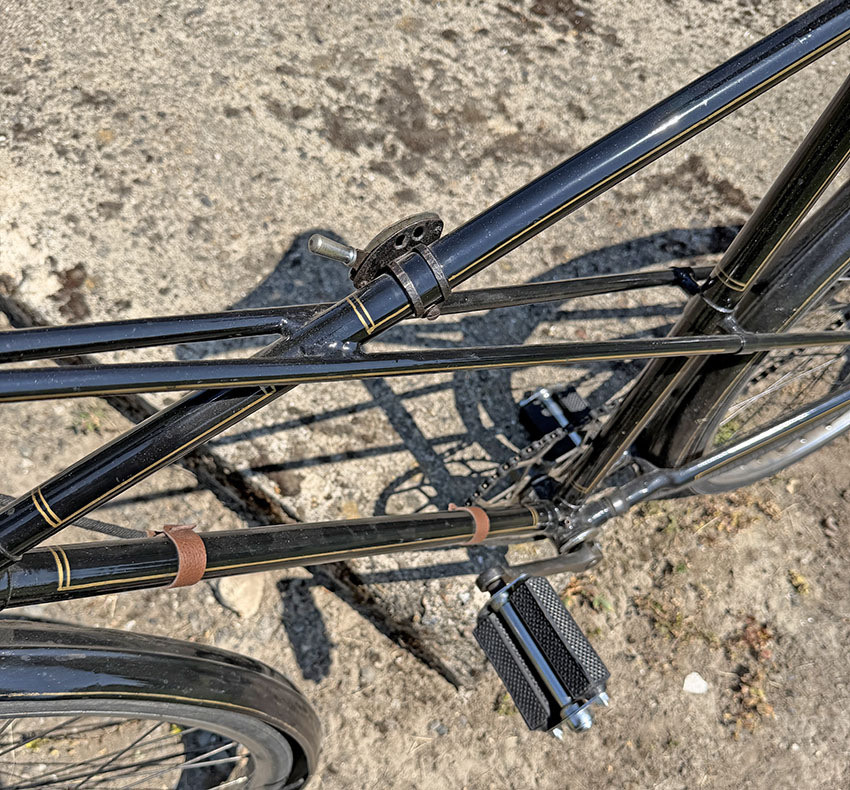
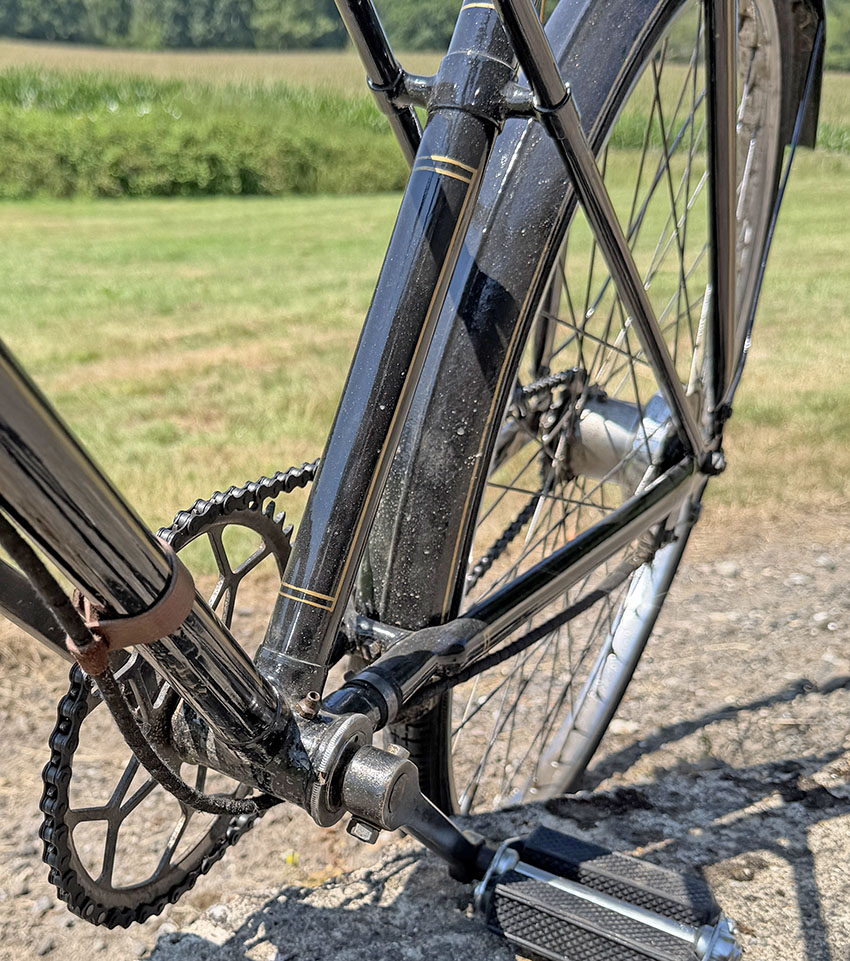
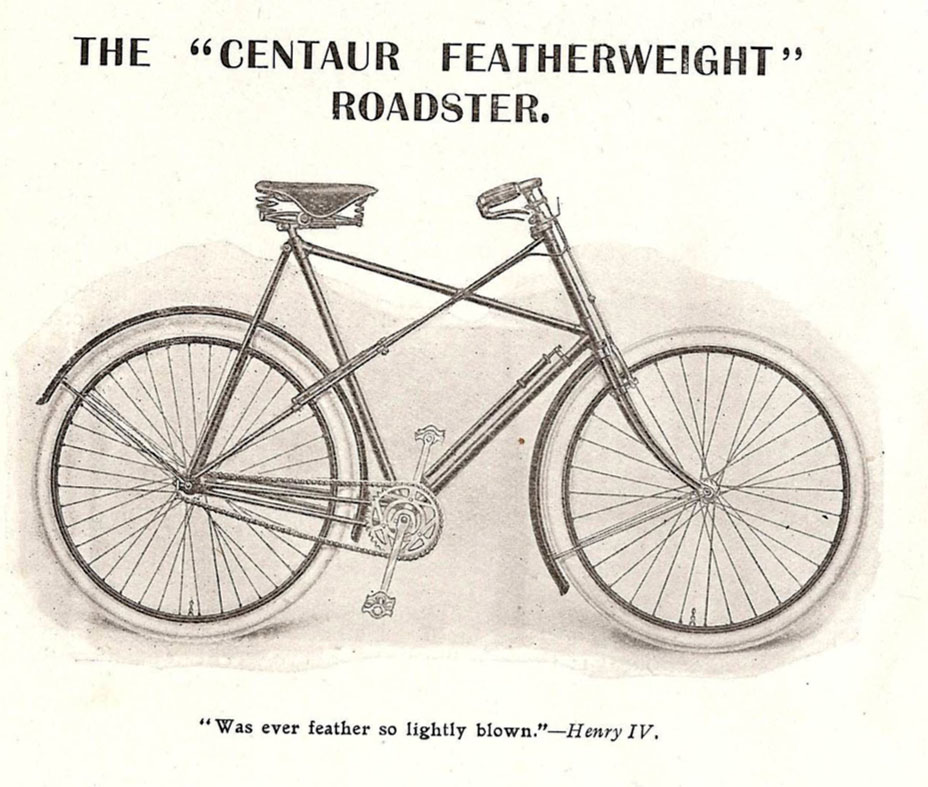
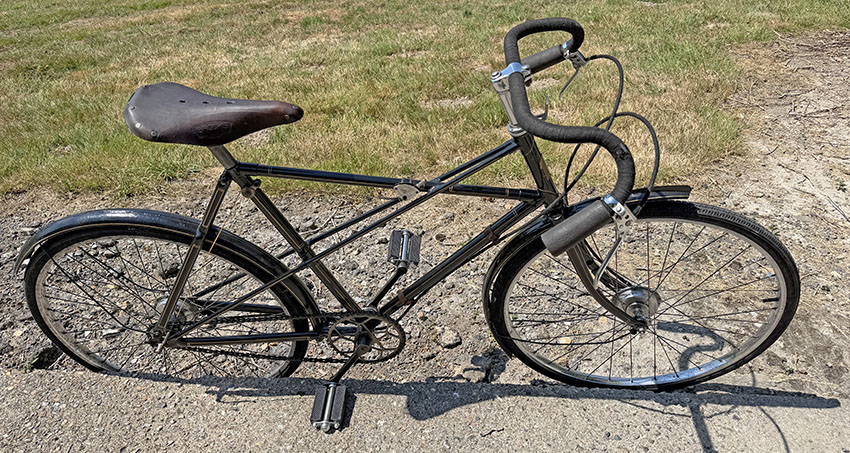
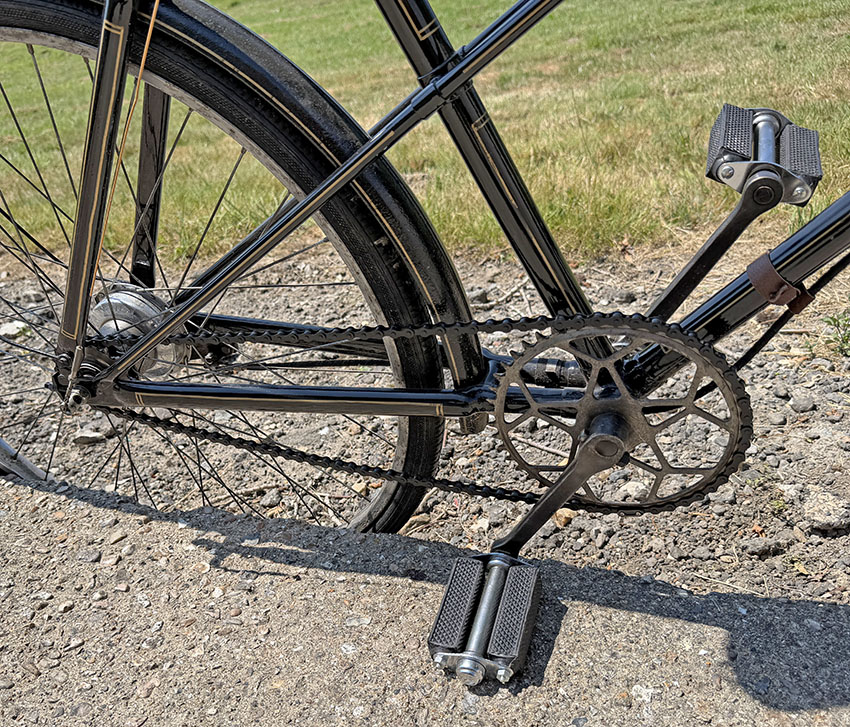
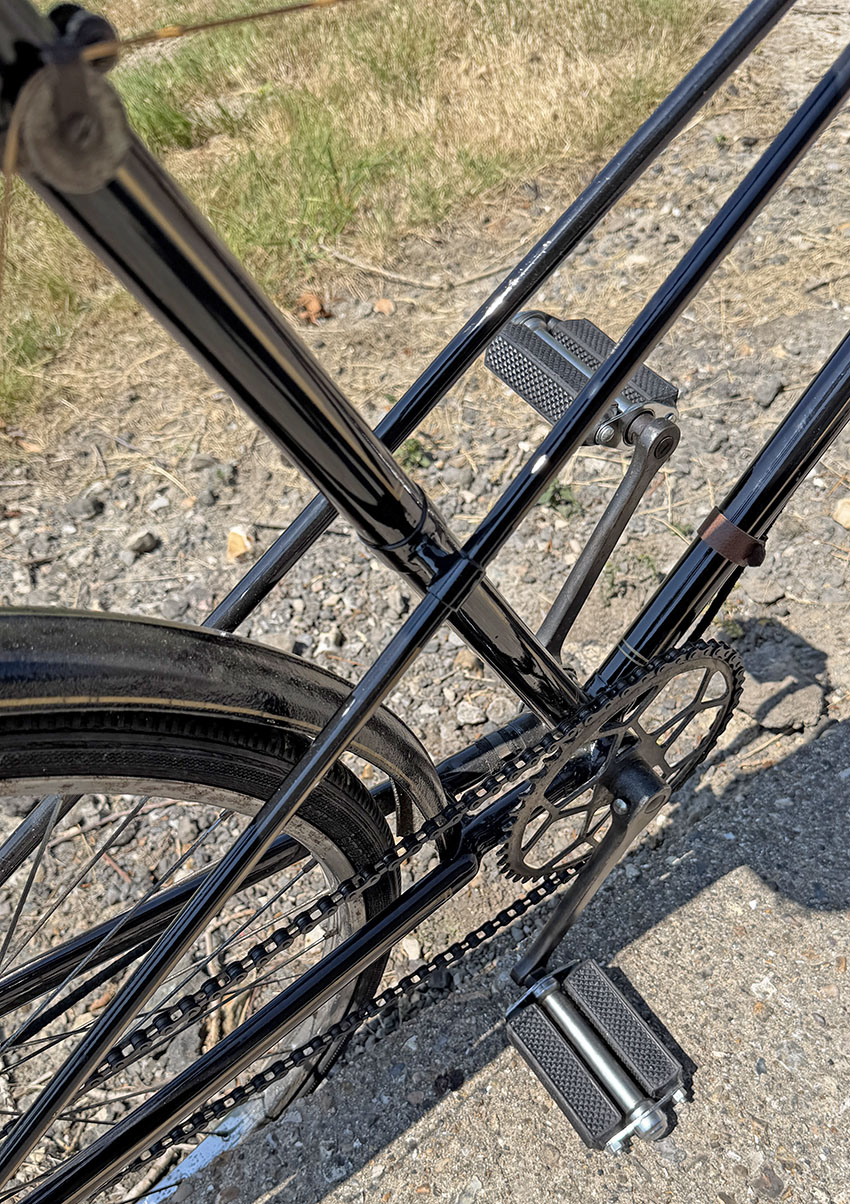
It didn’t take me long to find the J Harrison catalogue which showed the model in its 1923 catalogue. I believe it is the same as your frame based upon the design of the bridge bracing the two thin tubes together …You will notice you could buy a complete machine or just a frame – so you could make one up to suit what you wanted from period bits. You will also note it was called the ‘Featherweight’ which was probably cashing in on the reputation and prestige of the Centaur X frame model which was now no longer made by Humber, but would be remembered by potential purchasers as a good make.
– Andrew Millward, cycle historian and marque enthusiast

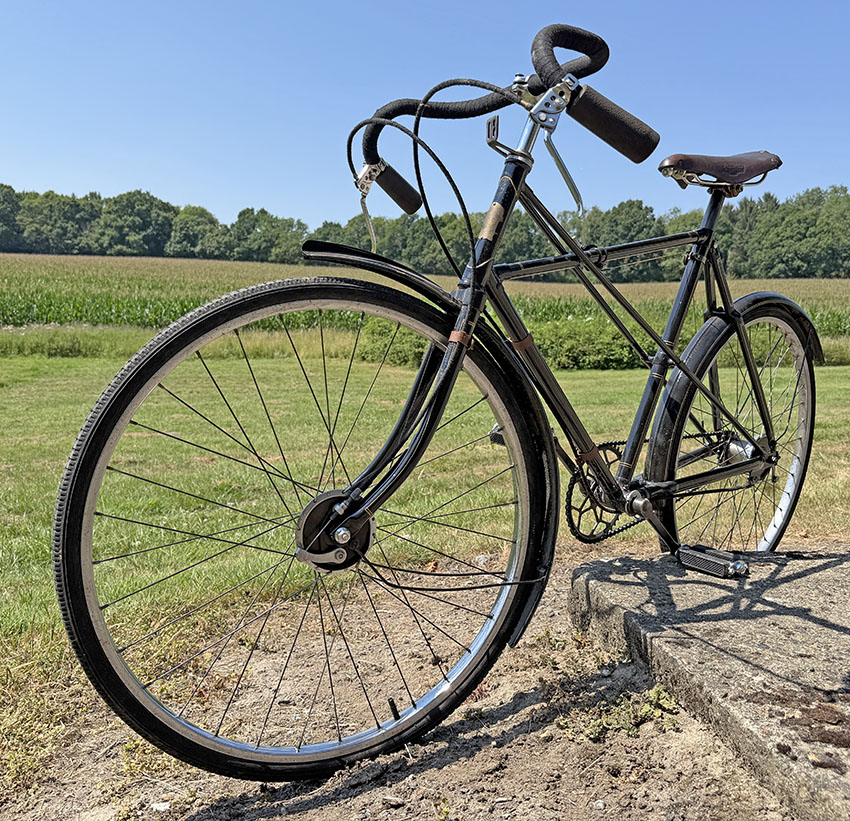
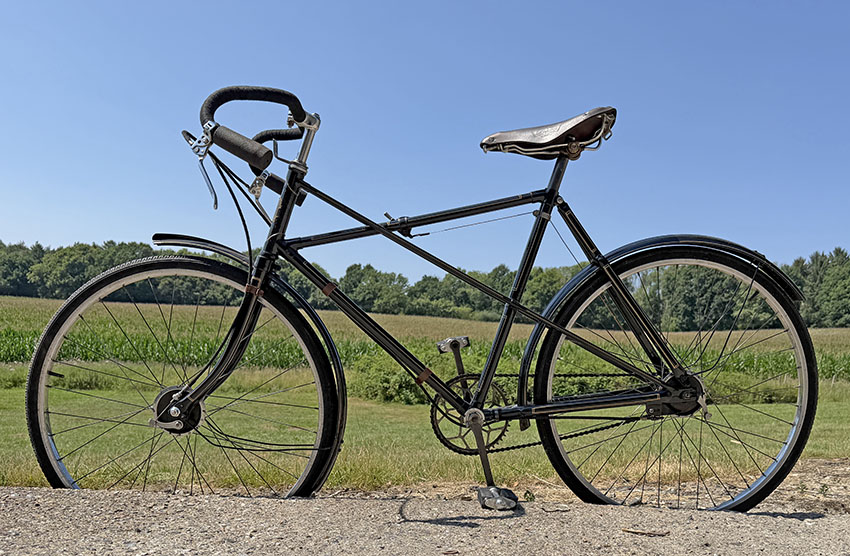
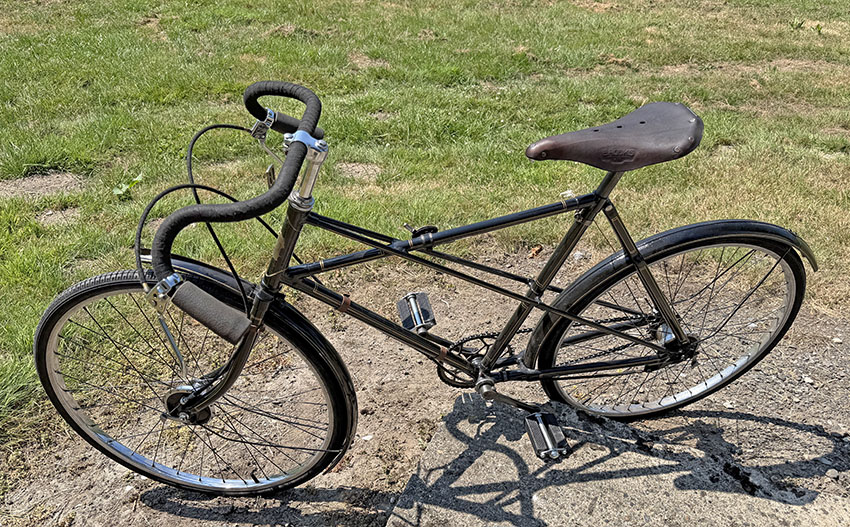
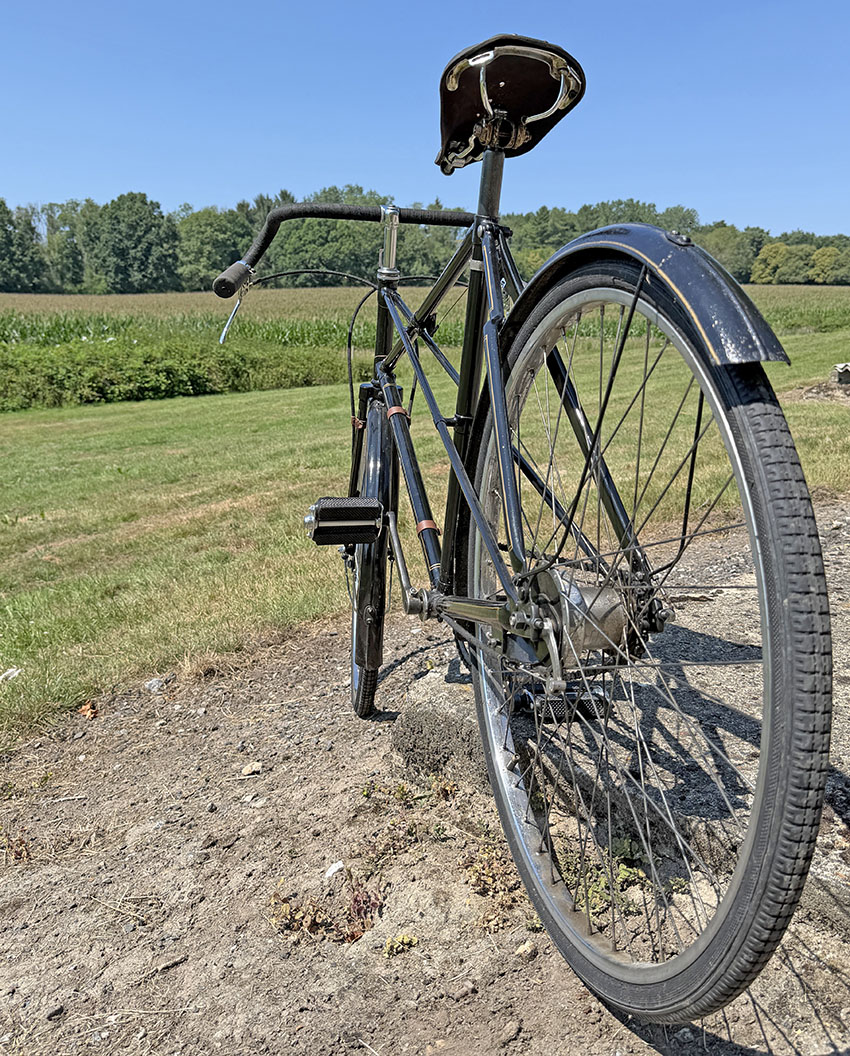
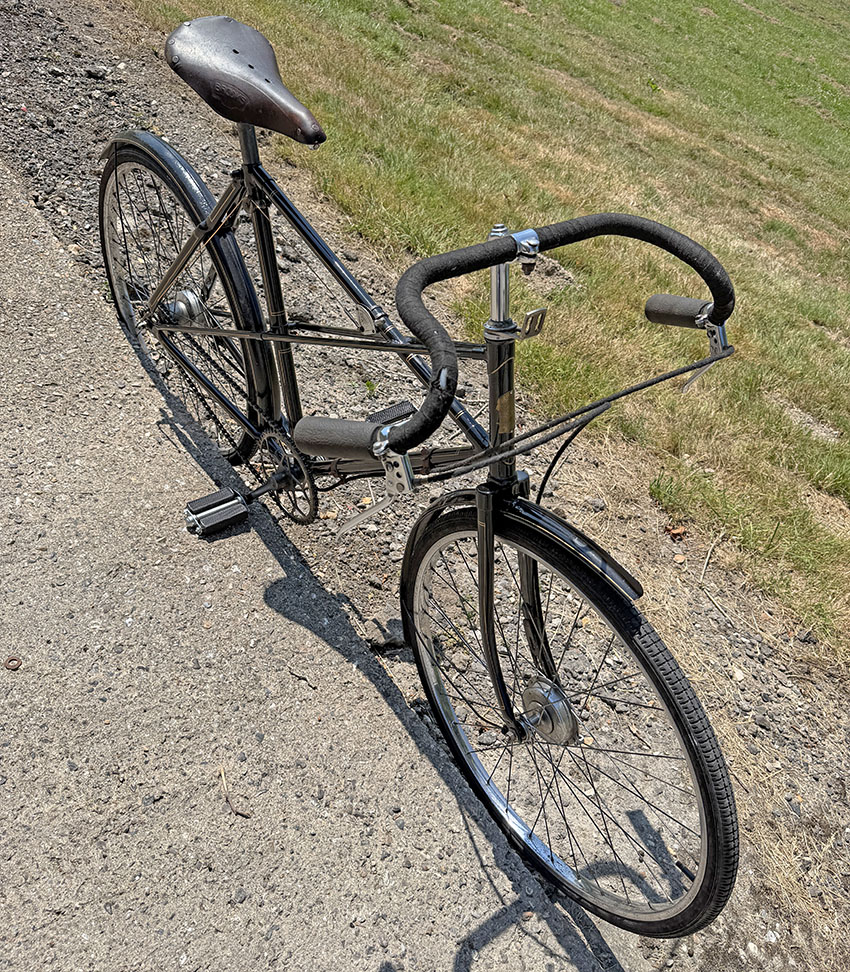
1932 Kensington ‘Featherweight’ Model K X-Frame
(Centaur Patent)
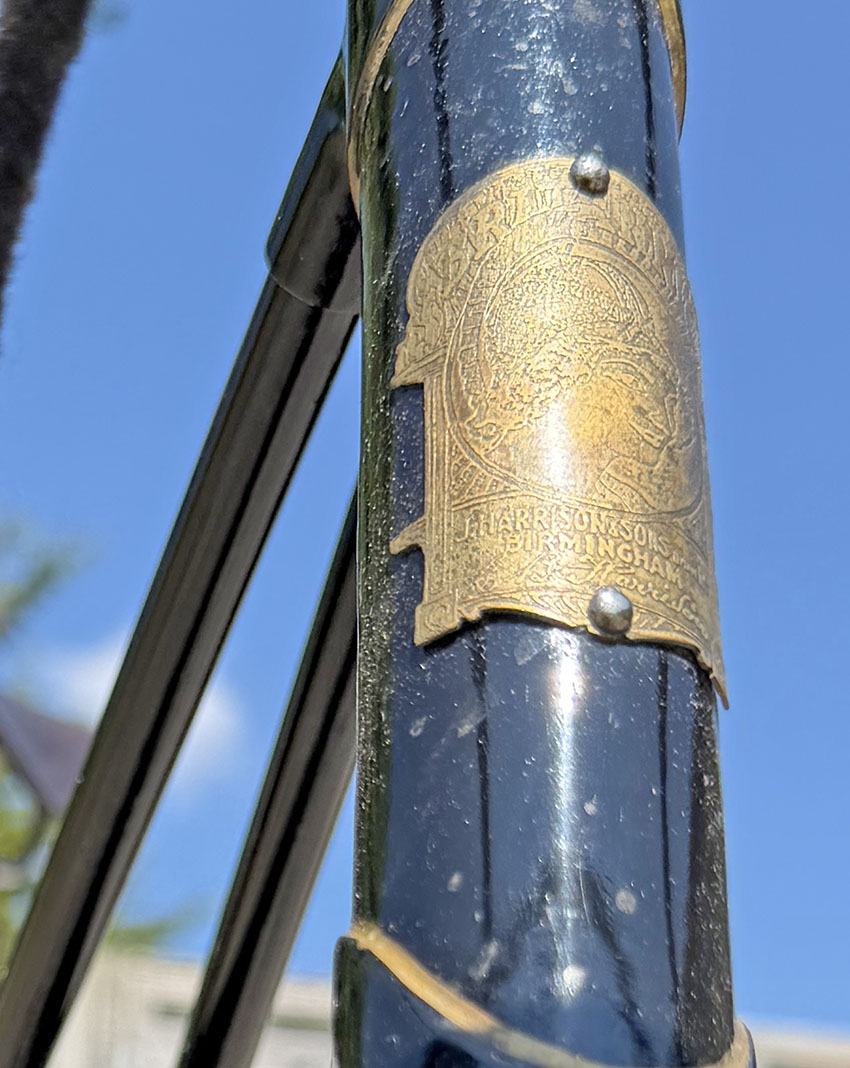
Manufactured by John Harrison & Sons, Birmingham
21″ Frame
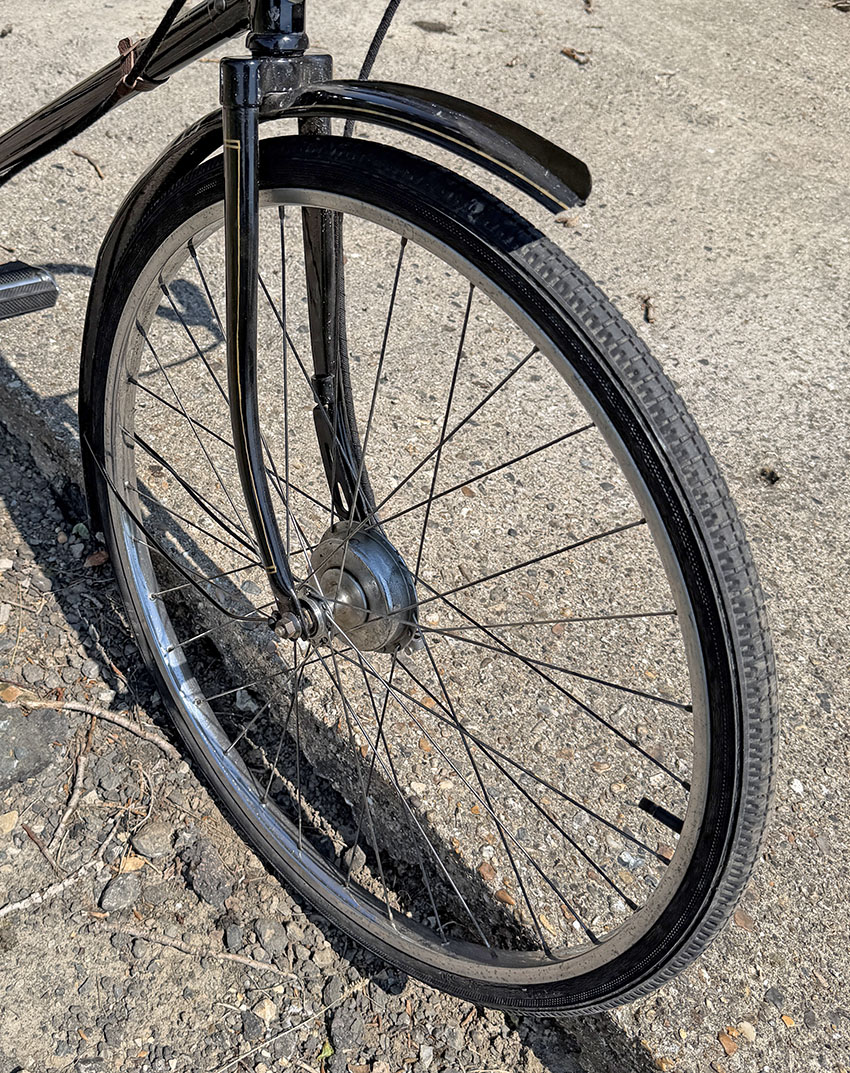
26″ Wheels

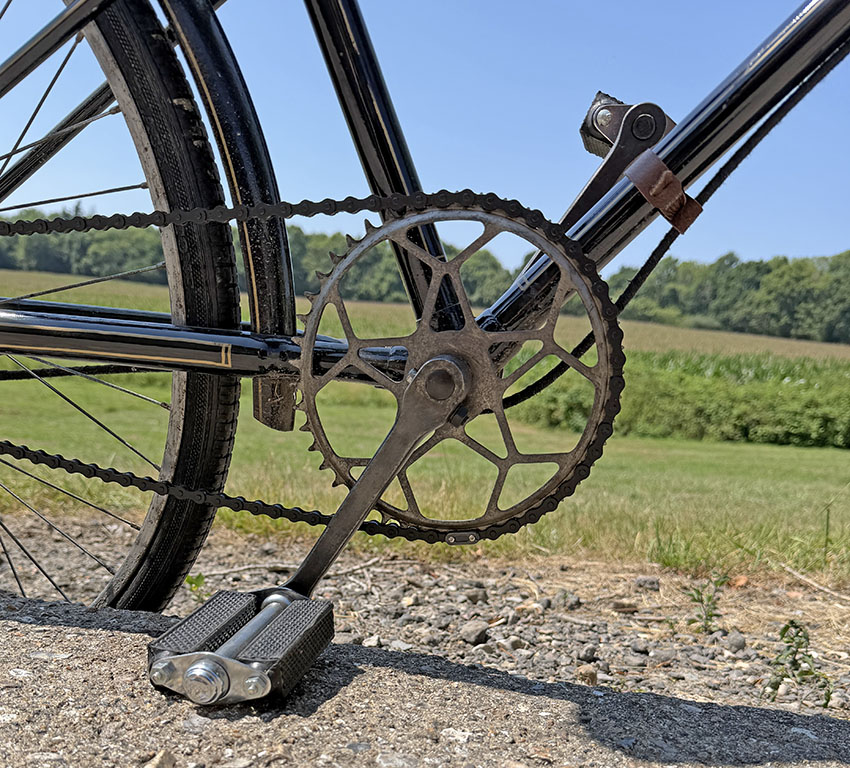
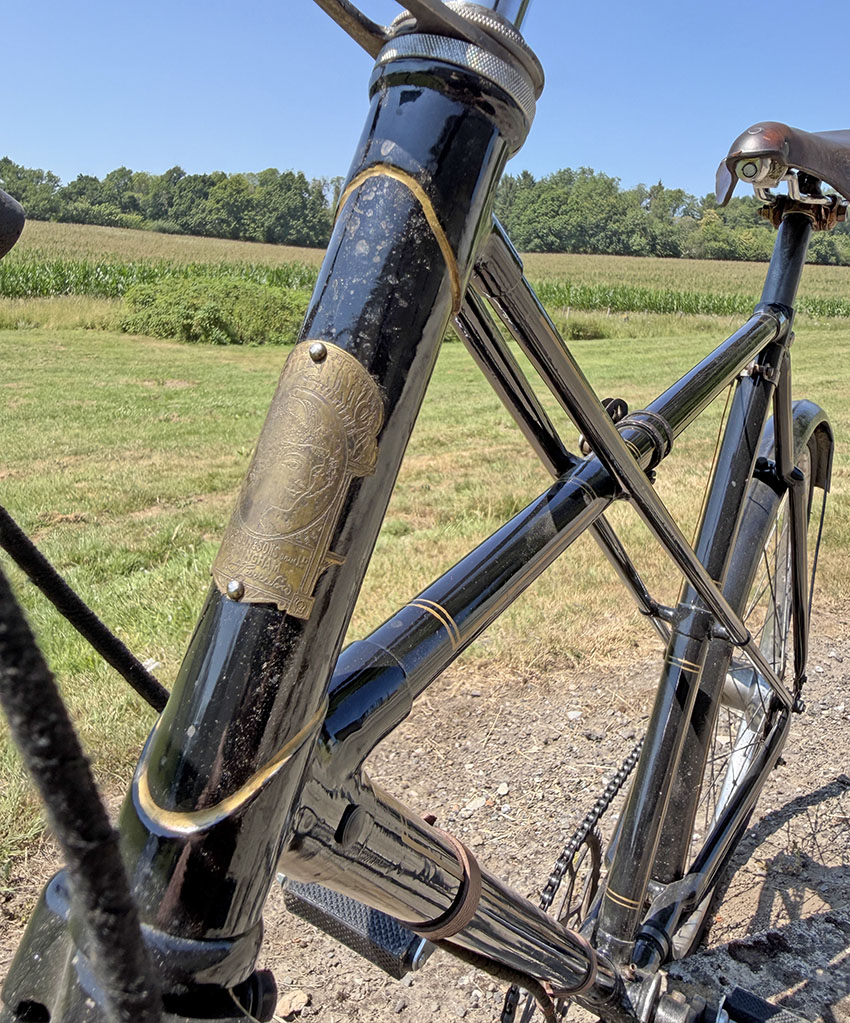
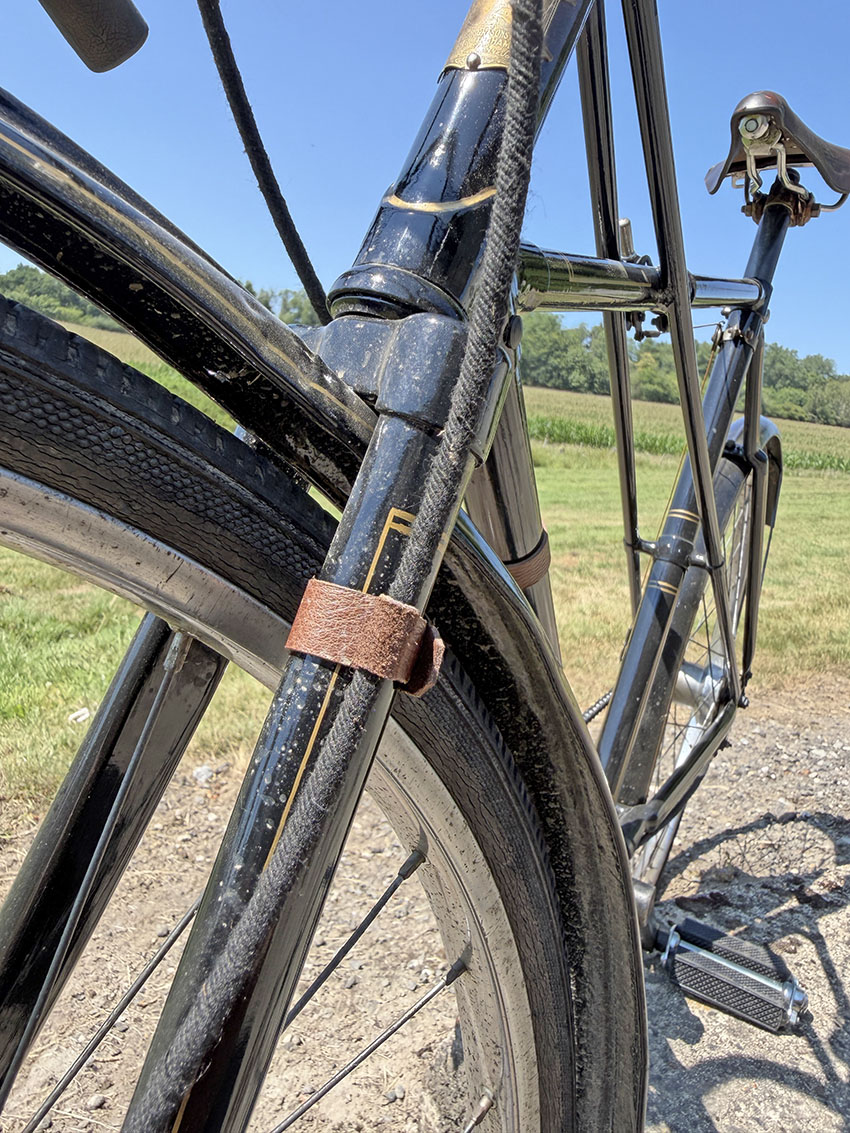
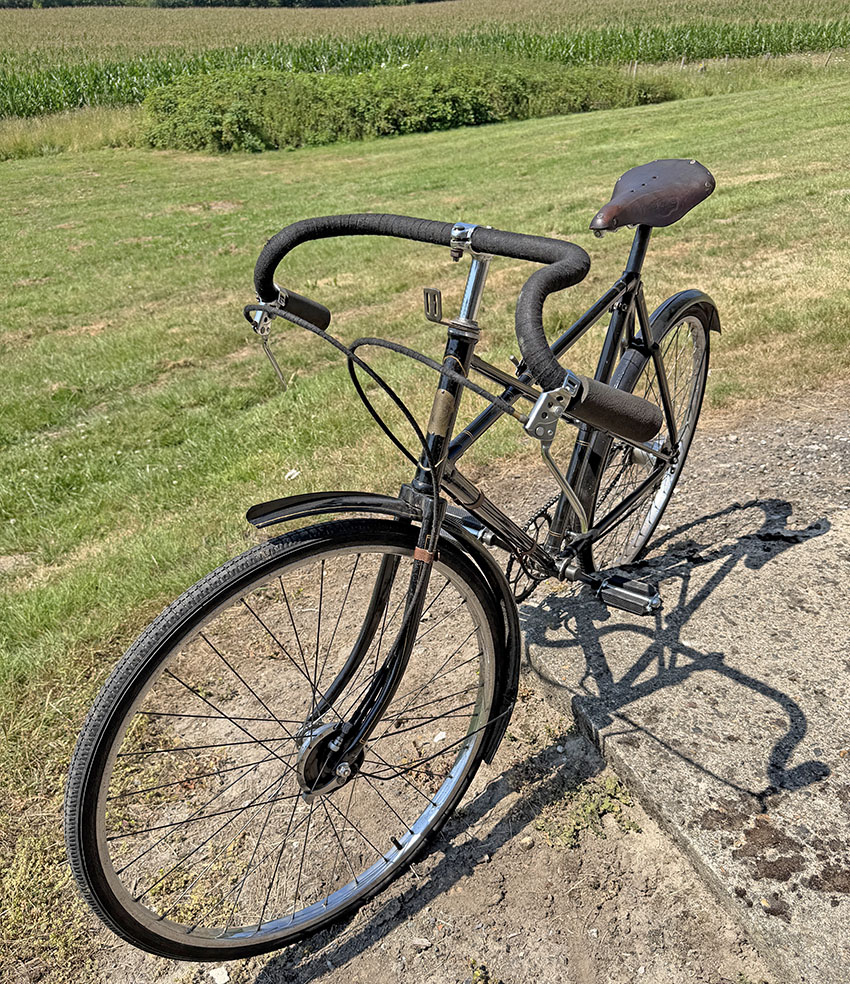
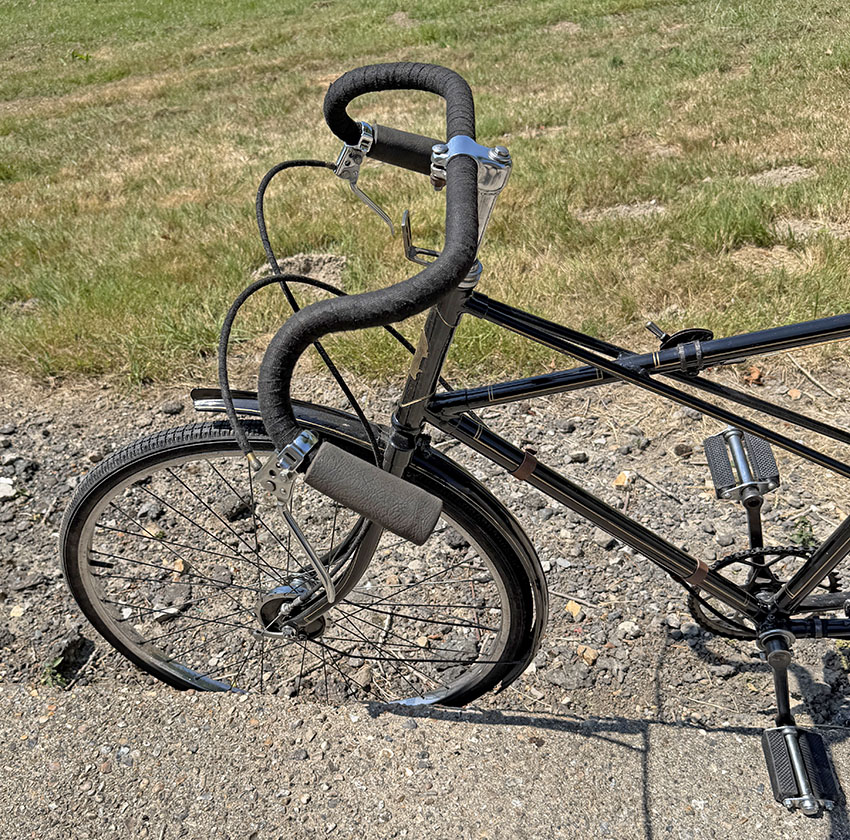
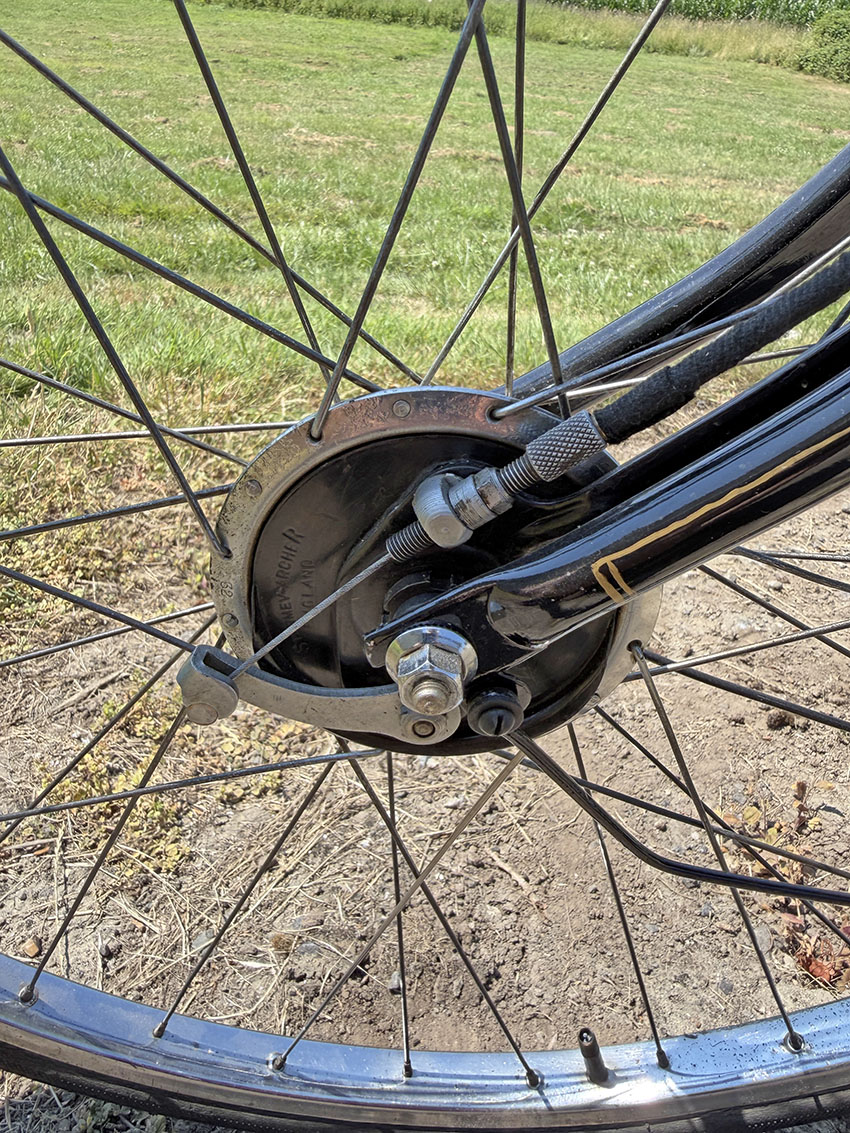
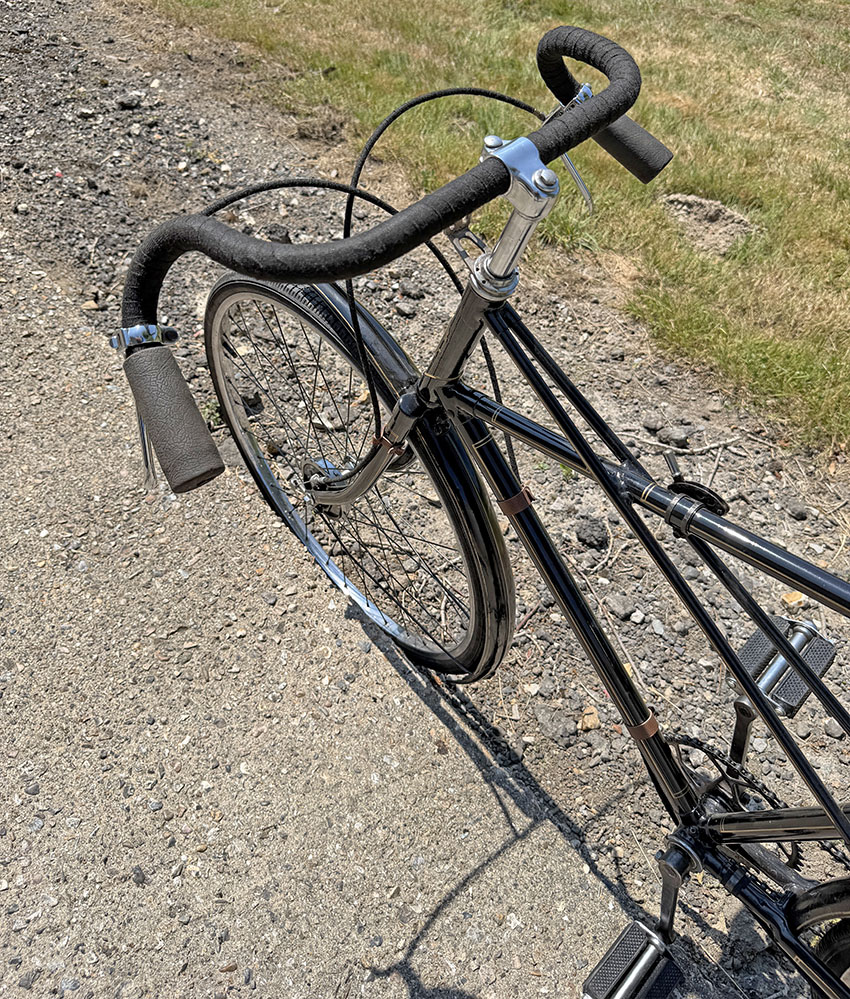
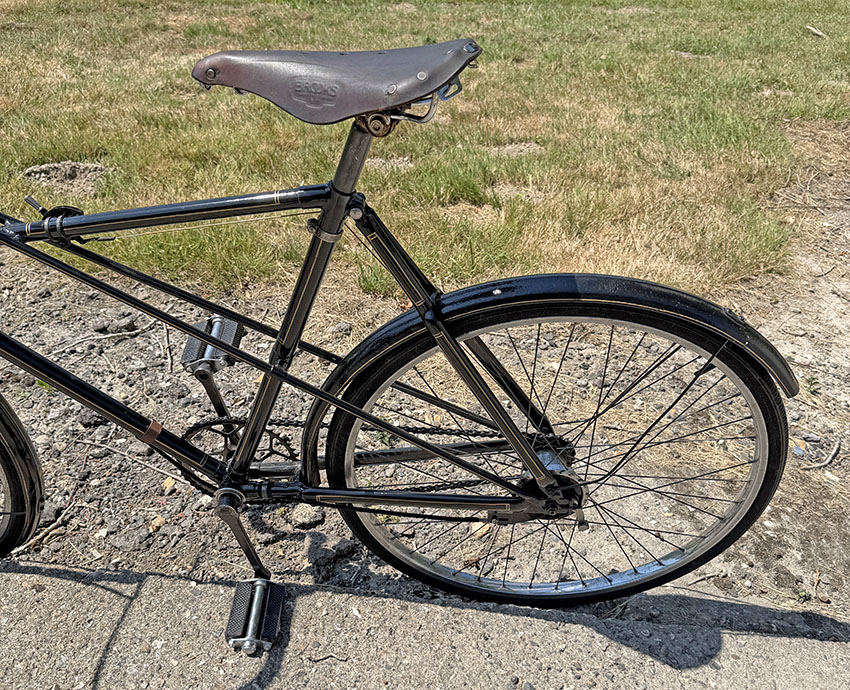
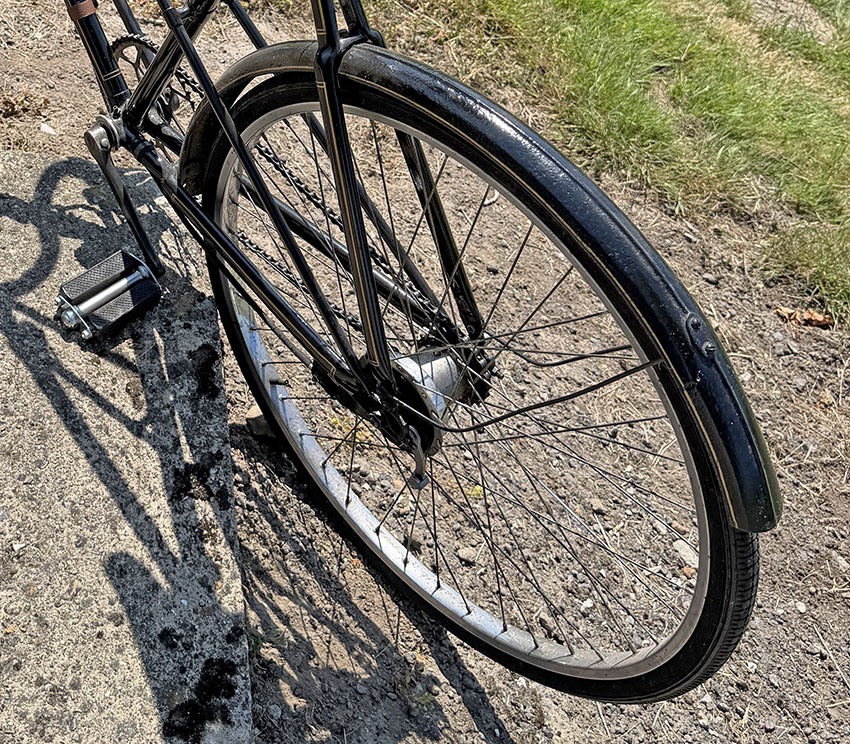
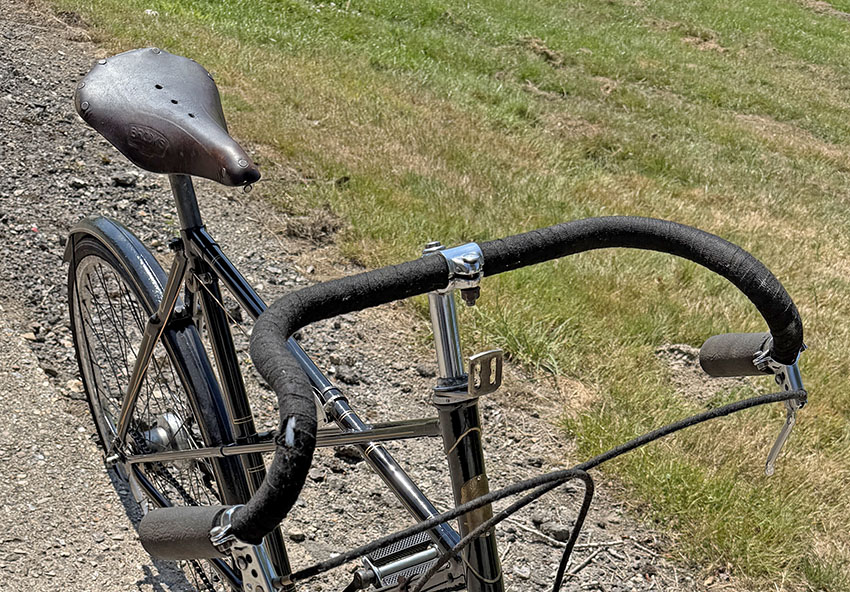
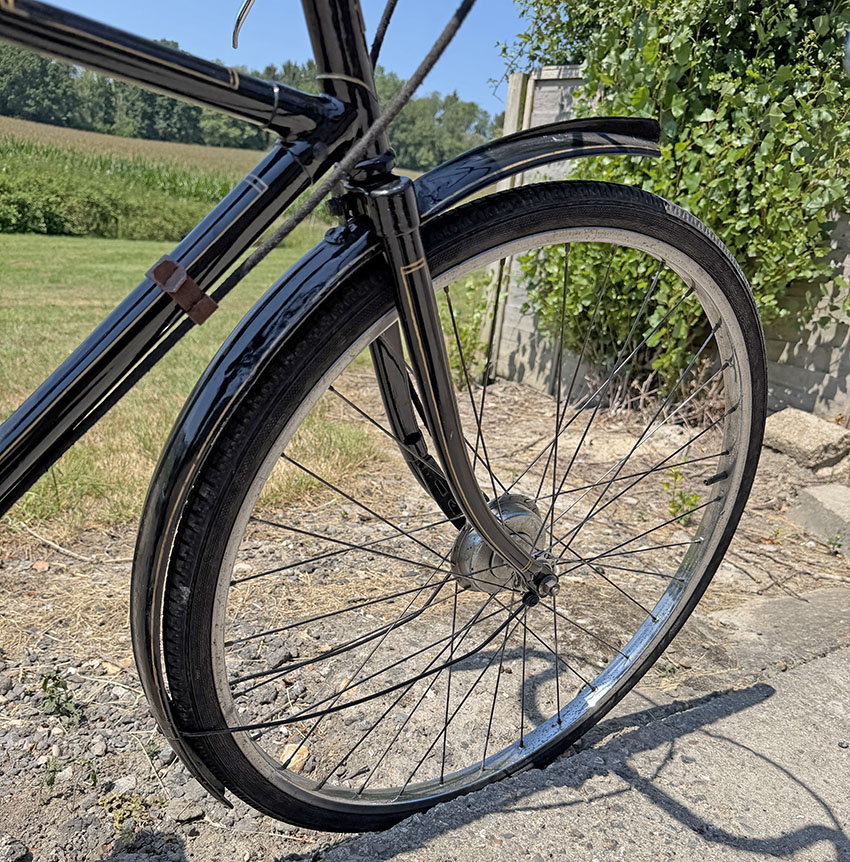
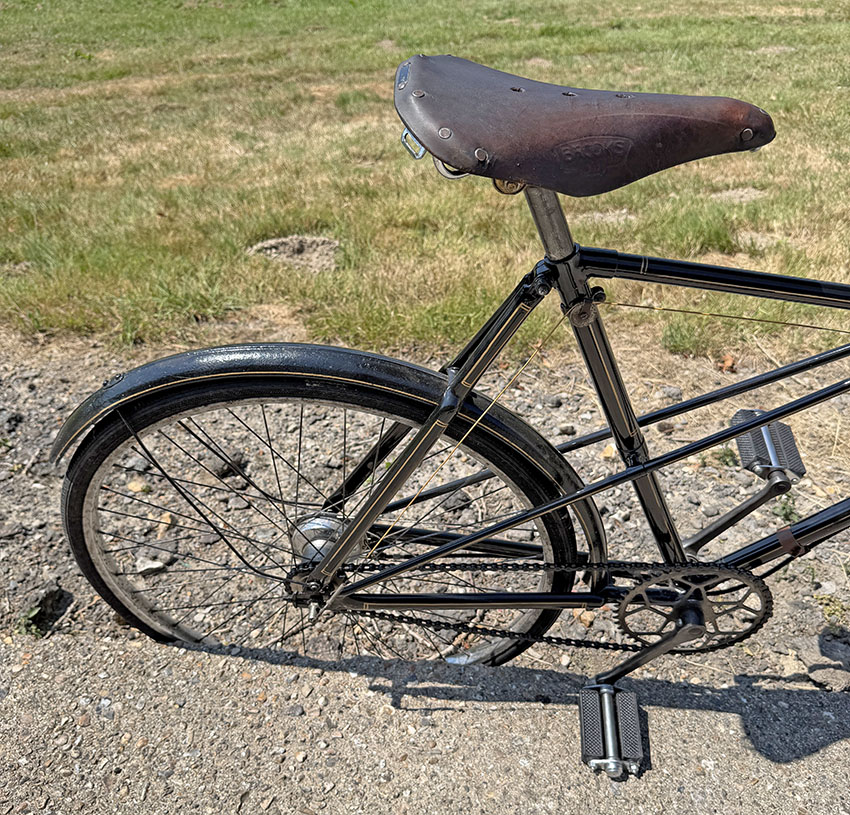
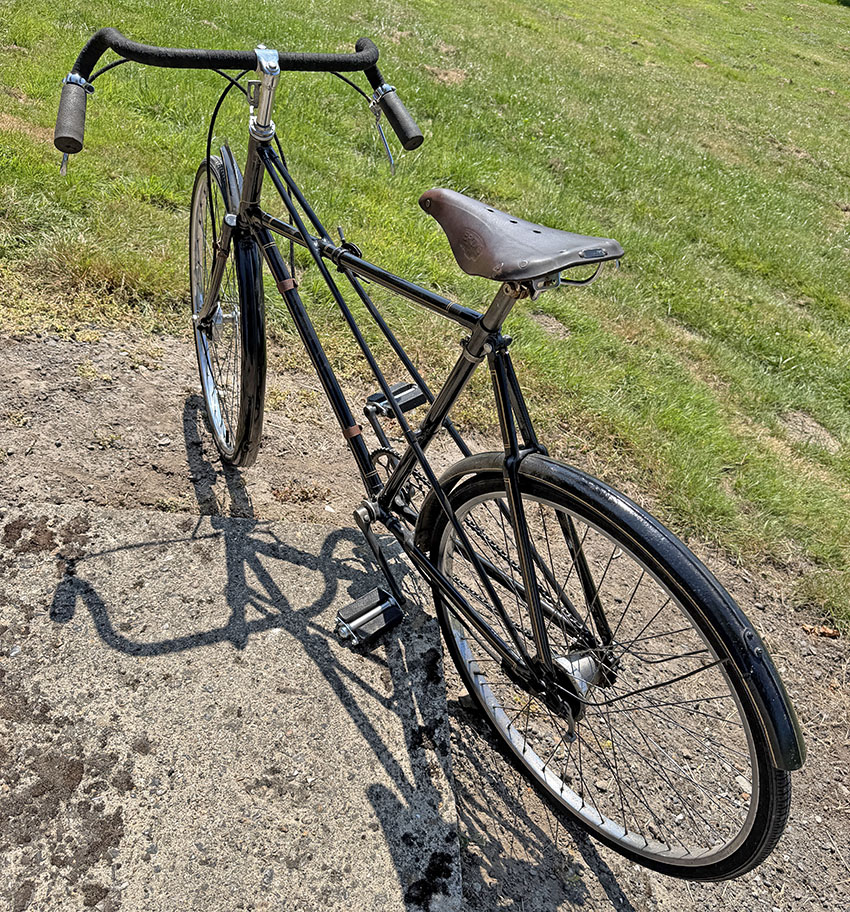
I bought and sold a similar J Harrison X frame many years ago, so when I spotted this one for sale recently, I immediately knew its story. Though the frame is identical to a Centaur Featherweight X frame from the early 1900s, it was made by J. Harrison & Sons of Birmingham in the 1920s and 30s using the Centaur patent design, and as you can see here they sold it either as a frame – the ‘Model K’ – for a local shop to build up as they wanted, or fully fitted as The Britannic Featherweight Model K roadster. Simplex also used the same frame design in The Netherlands, suggesting the Centaur patent was available after the company’s demise. Humber bought the assets of Centaur, so perhaps they sold the licence for the Centaur patent frame?
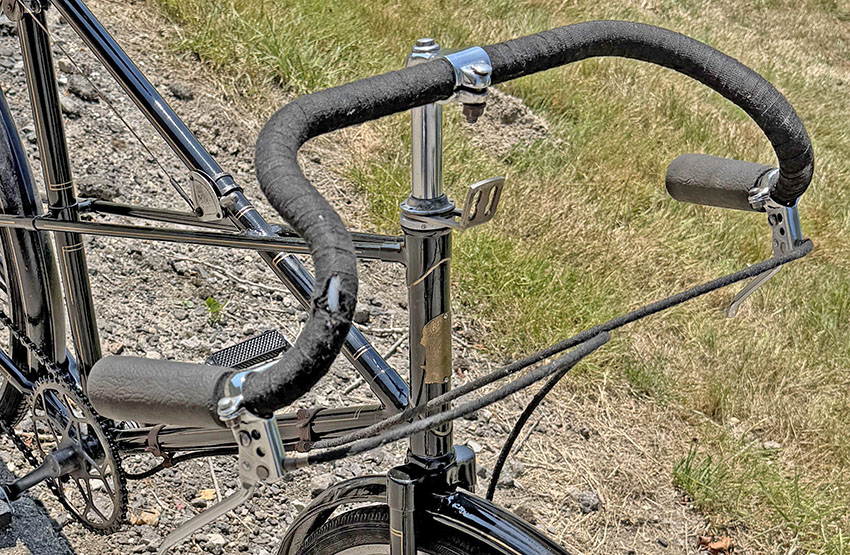
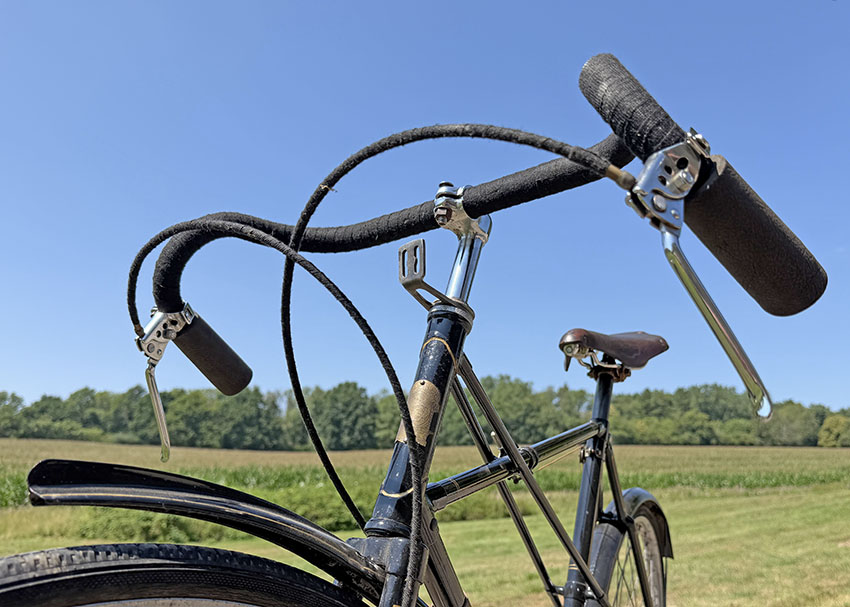
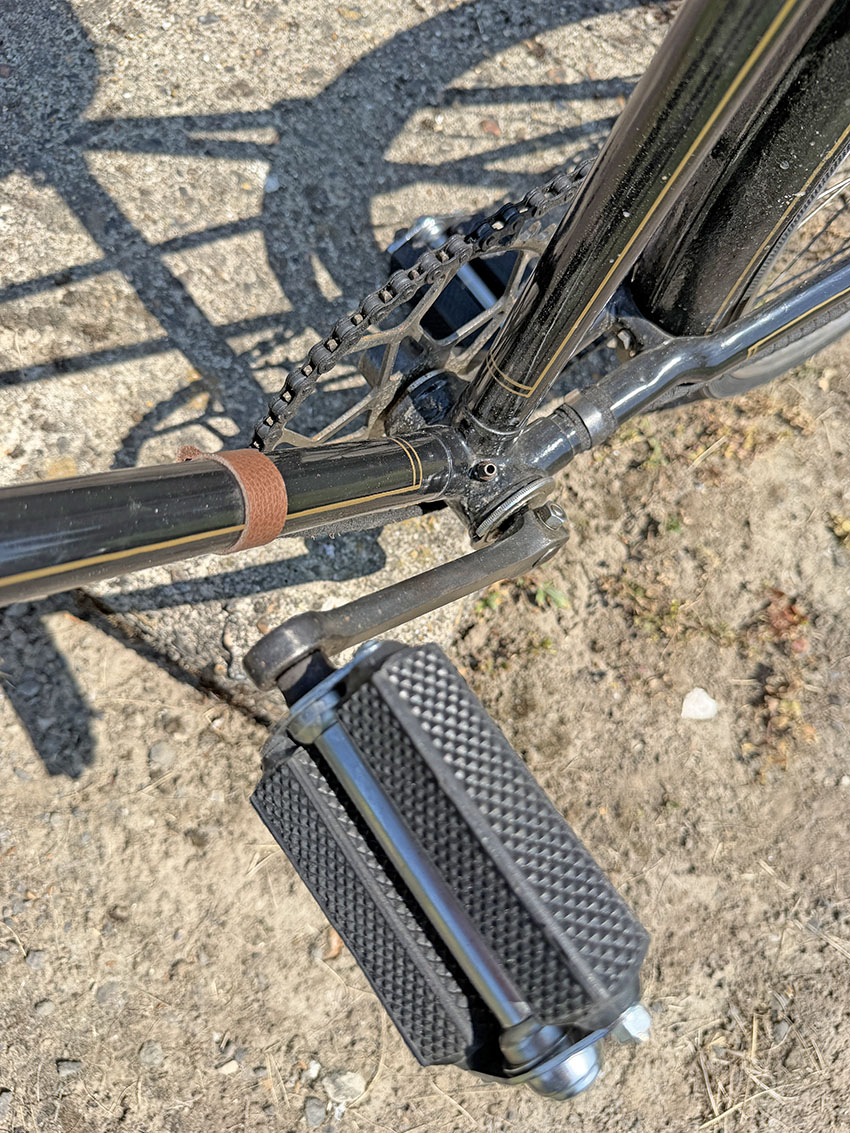
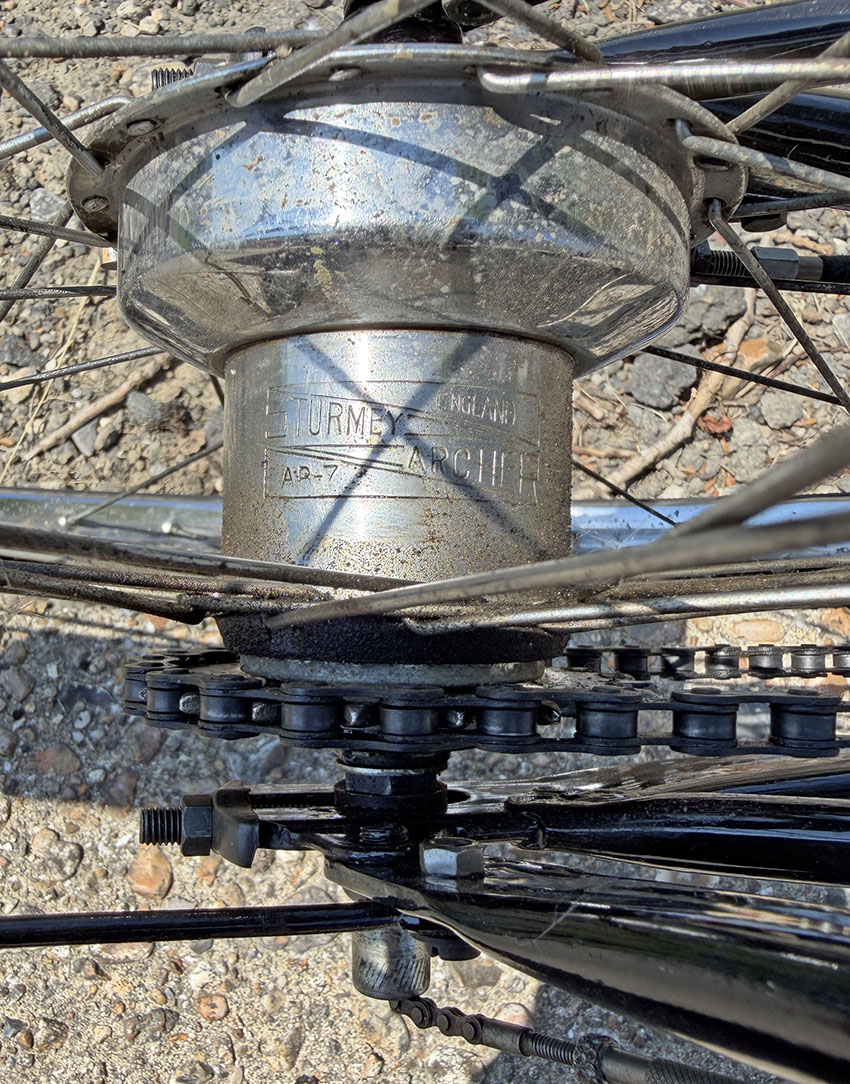
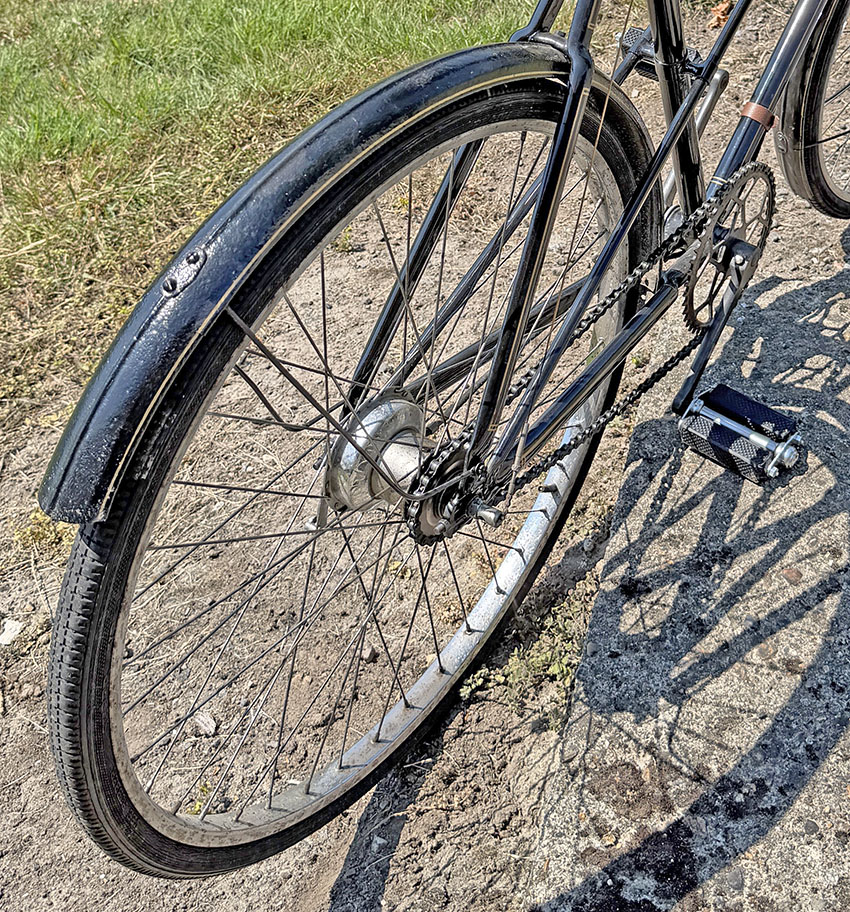
This rare example was sold as a frame only, and built up by whichever shop supplied it at the time. It’s in very good all round condition and ready to ride.






JOHN HARRISON & SONS (BIRMINGHAM) LTD
49/51 Constitution Hill, Birmingham, England
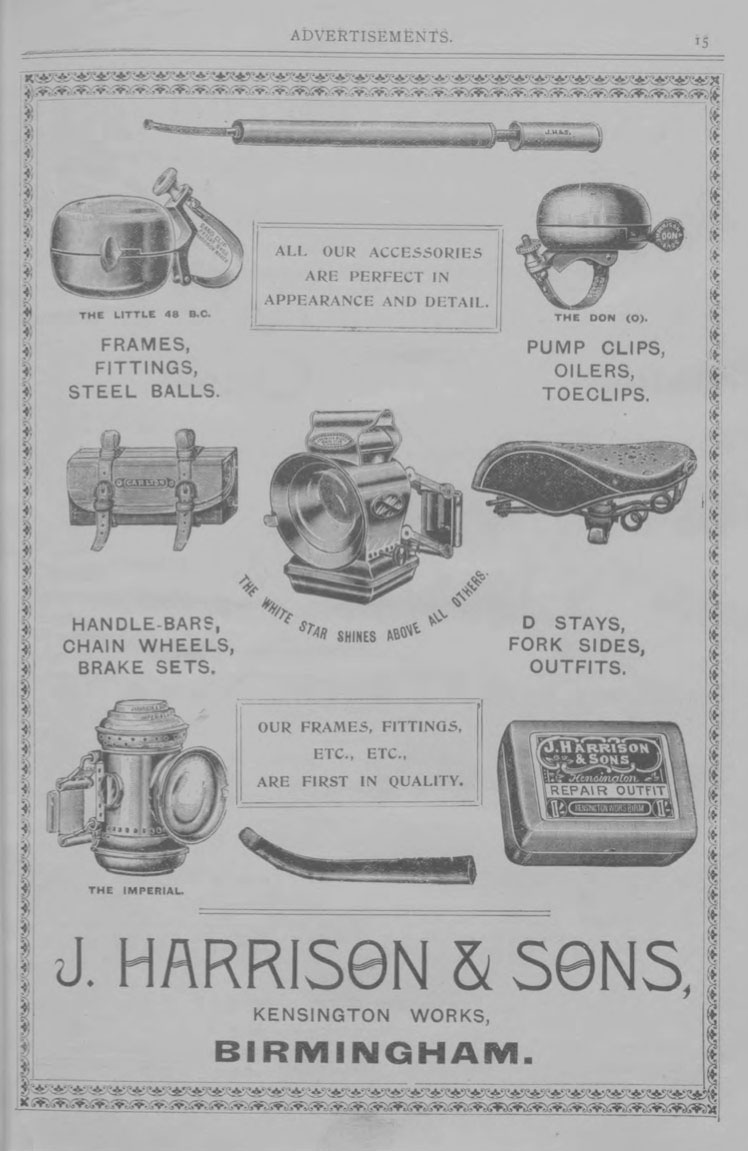
The earliest records of J Harrison are from 1898, when they made the ‘Endurance’ bicycle, and various accessories (see their 1898 advert below). They are recorded as having factories at Kensington Works and Porchester Foundry in Birmingham. By 1915, when they moved to Constitution Hill, Birmingham, they were making the Britannic range of cycles. An ‘Endurance’ cross frame was built in 1909, and sold in component form. They were still selling similar bicycle frames and components in the 1930s.*
John Harrison’s name cropped up in Ray Miller’s book ‘Dan Albone – Cyclist, Inventor and Manufacturer’ (page 59).
In 1891, Dan Albone and his brother-in-law Richard Tingey had applied for patent for the invention of cycle inflator pump clips. The following year Dan sued John Harrison for infringement of the patent, the issue eventually being settled in Dan’s favour in 1894.
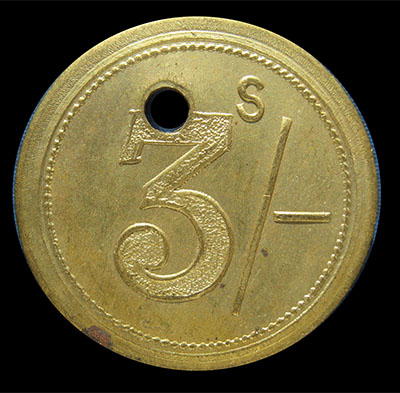
Most of John Harrison & Sons business involved the sale of components, though it’s not easy to find surviving examples today. However, I did manage to locate the factory coin below. Coins such as this were used in company works instead of money. This one is for 3/- (three shillings). I have now attached the coin to the bicycle, making a very novel accessory!

By the way, factory token collecting is a hobby in its own right. A shortage of small denomination coins in Great Britain was recorded as early as the 14th century. This made it difficult for workers to be paid, as well as for regular transactions in daily life. The Industrial Revolution exacerbated the problem. In 1768 one of the largest veins of copper was discovered at Parys Mountain on the island of Anglesey in Wales, and the mine company offered the British government to strike new coins in order to try and combat the large amount of counterfeit coins in circulation. But the government refused, and the Royal Mint closed down as a result. In 1788 the merchant Matthew Boulton established the Soho Mint which made millions of factory coins, as well as supplying the East India Company and the national banks of Russia and Sierra Leone. It also supplied 20 million blanks to the USA to be made into cents and half cents by the US Mint. Eventually the British Government awarded Boulton a contract for official supply, and by 1800 the need for privately-issued coinage waned. The early Boulton coins are now valuable collector’s items. Many manufacturers in the 1800s and early 1900s continued to strike coins for internal factory use, which could be exchanged for proper money as required. They have only nominal value today, unless, as in this case, they relate to a factory of specific interest.





* With thanks to Ray Miller’s excellent ‘An Encyclopaedia of Cycle Manufacturers’
