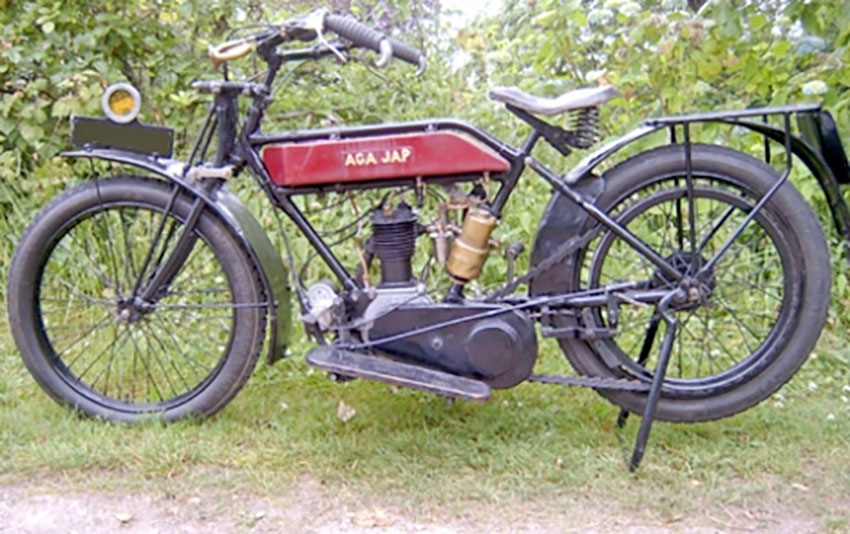
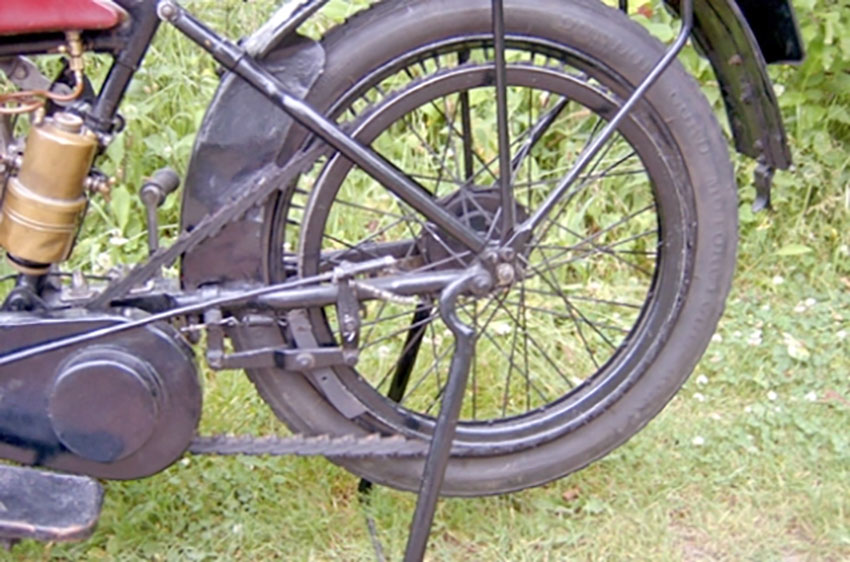
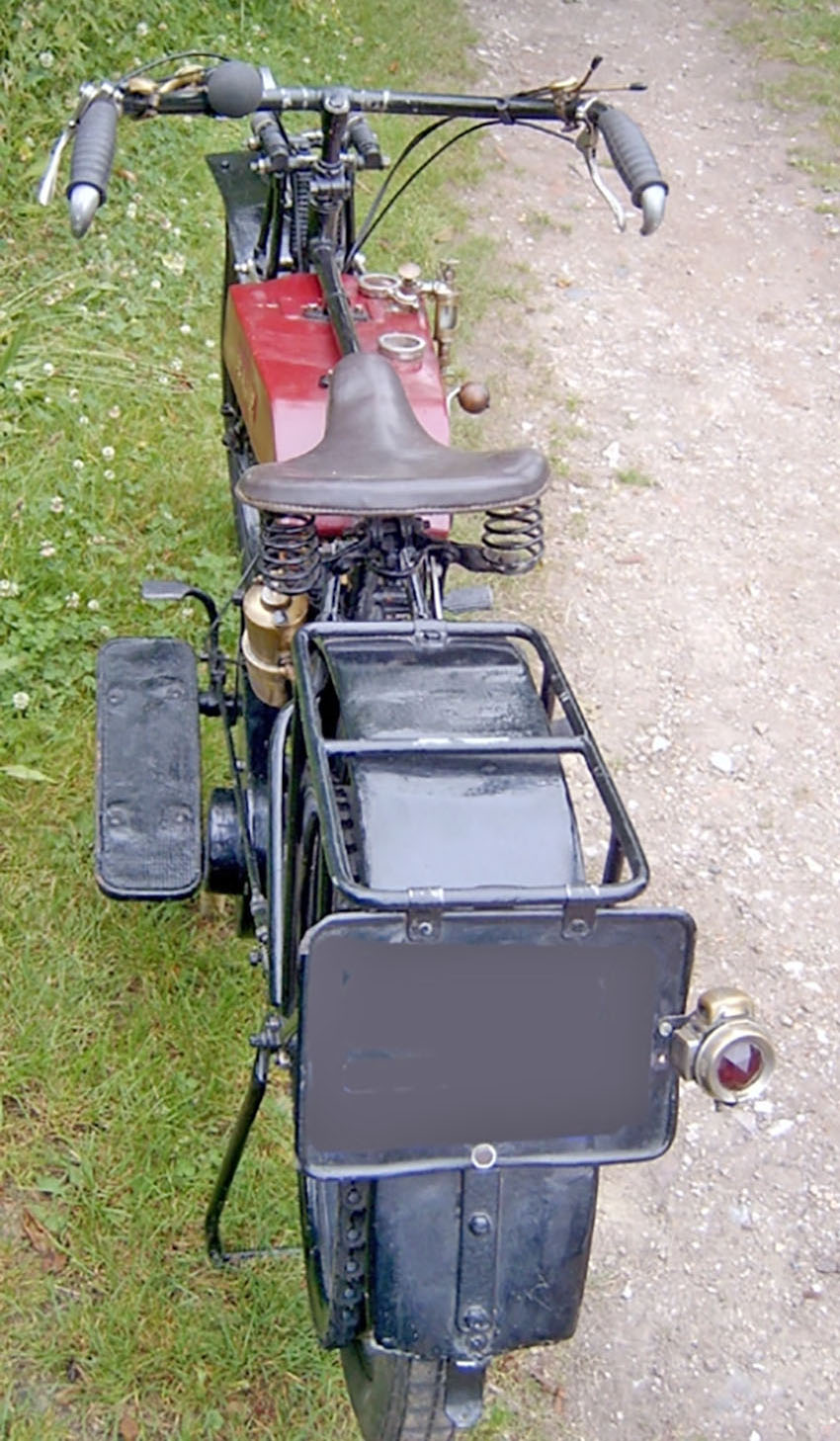
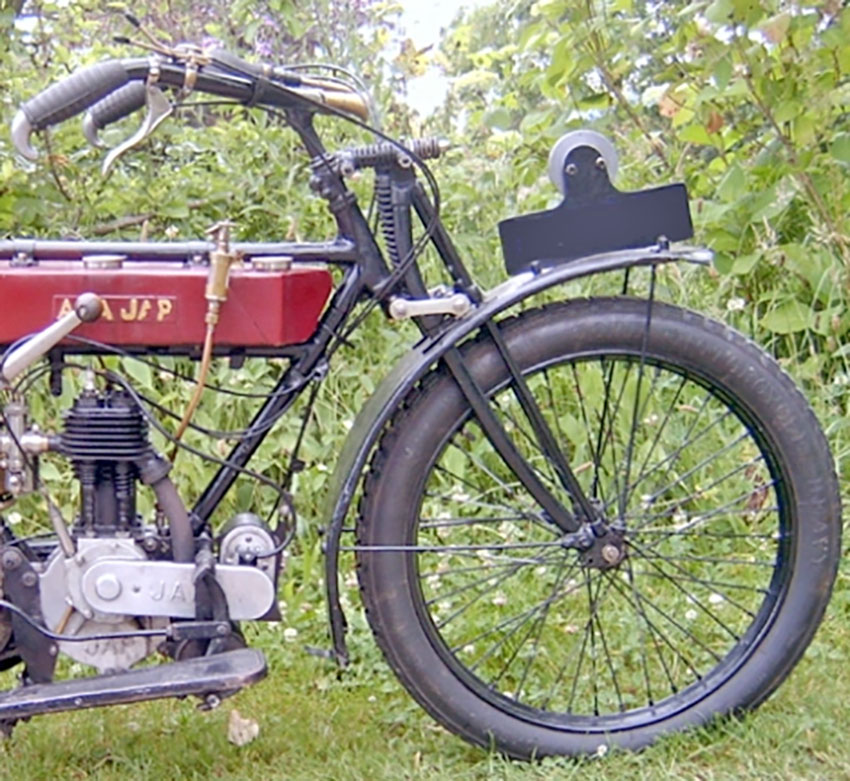
1921 Aga JAP Motorcycle
300cc sidevalve
Frame No 2
Engine No FN432

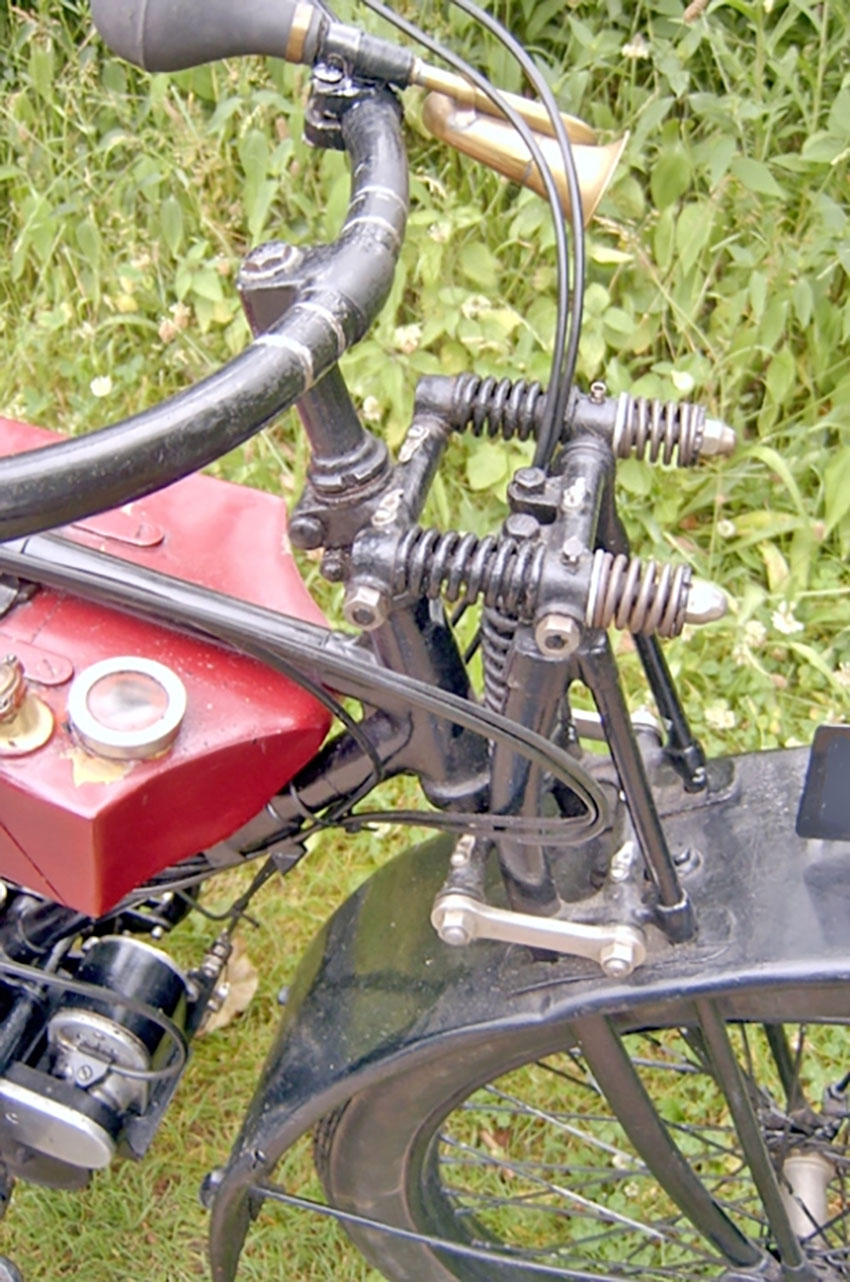
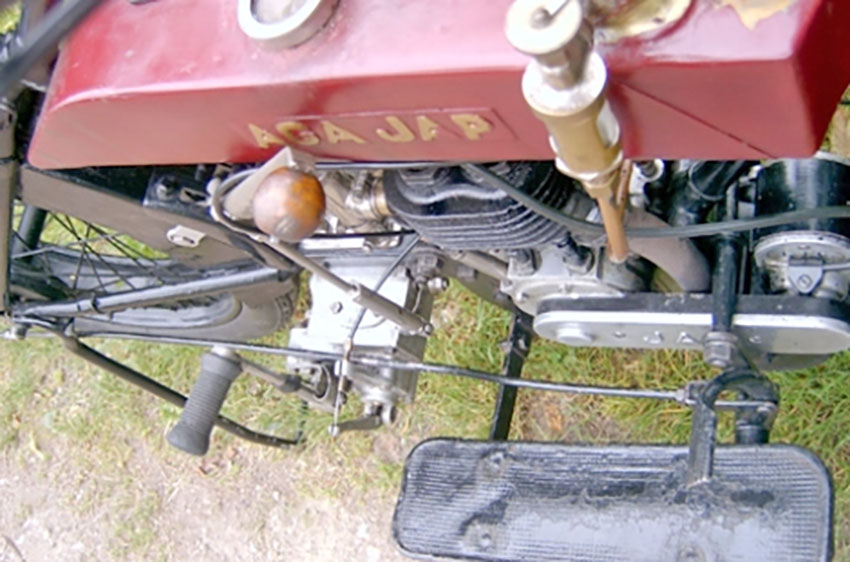
I sold this Aga JAP in 2007. There’s very little I can tell you about Aga JAP. It’s believed to be the only survivor of its marque and sports the frame number 2. So there’s not even much of a clue about how many were manufactured.
Like the bicycle manufacturing era immediately preceding it, in the first few decades of the 20th century many small engineering workshops around the country had a go at making their own motorcycles. They bought in proprietary engines – and JAP would have been a favourite – and assembled parts available from the new motor factor companies that were springing up, such as Brown Brothers. They were thus able to supply local demand and, rather than having to buy in motorcycles from established companies for small profit, were able to make more money by virtue of their motorcycle being home-built but with a well-known powerplant.
The previous owner used this motorcycle regularly, and only sold it because of his old age. It’s an older restoration, and is a very attractive machine of its period in good usable condition.


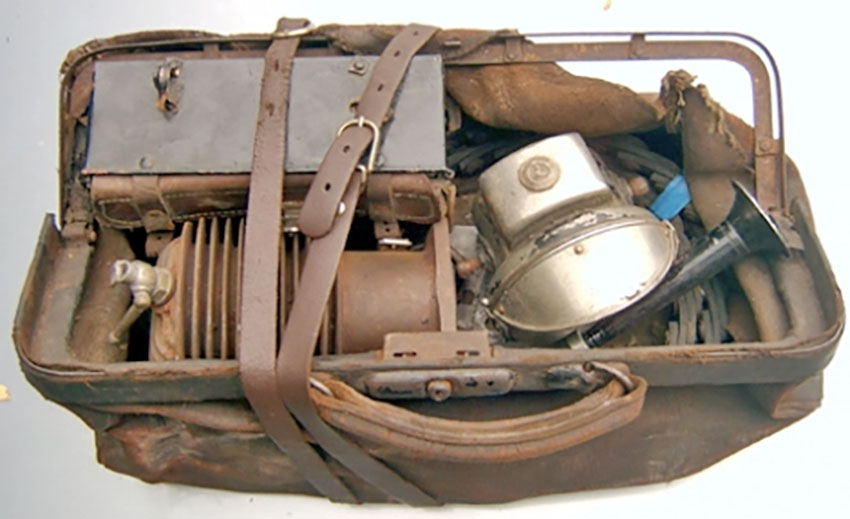
A Gladstone bag accompanied the motorcycle when it was sold. As you can see, it had a front light inside, as well as tool pouches to fit to the rear carrier, and engine spares.
J.A. Prestwich Industries Ltd
Manufacturer of JAP Engines
The engine number of this AGA JAP is FN432. According to records, the prefix F denotes 300cc. Second letter N denotes a manufacture date of 1921.
Prestwich made his own JAP Motorcycles between 1904 to 1908, after which the company decided the motorcycle market was too competitive and that the supply of engines to other motorcycle manufacturers would be more lucrative. Bear in mind that, in the early days, companies started out by specializing in one particular area of engineering, production or sales; to make a motorcycle they often swapped their own parts with companies that made the other parts they needed.
So an engine manufacturer might supply their engines to a frame builder who’d make a motorcycle with the frame builder’s name on it. But when frames were sold back reciprocally to the engine supplier, the name that would appear on the finished motorcycle might be that of the engine manufacturer. This way, smaller companies were able to test the market without having to tool up to make everything.
JAP engines were fitted to early aircraft and cars, as well as dozens of different types of motorcycle. JAP was taken over by their main competitor, Villiers, after WW2.